
What is B2B Sales Prospecting? (The Modern Definition)

.webp)
If you look up the definition of B2B sales prospecting from five years ago, you will find a process that looks like this: A rep buys a list of names, loads them into a spreadsheet or sequence, and blindly dials them from A to Z in hopes of booking a meeting.
For a long time, "prospecting" was simply used as a synonym for "cold outreach." It was an execution game. Whoever made the most dials and sent the most emails won.
Today, that definition is increasingly obsolete.
Buyer fatigue is at an all-time high, and generic outreach no longer works. High-velocity outbound is still a critical engine for revenue, but speed without direction is a liability. If you use powerful parallel dialers to blast through un-prioritized lists, you are actively burning through your Total Addressable Market (TAM).
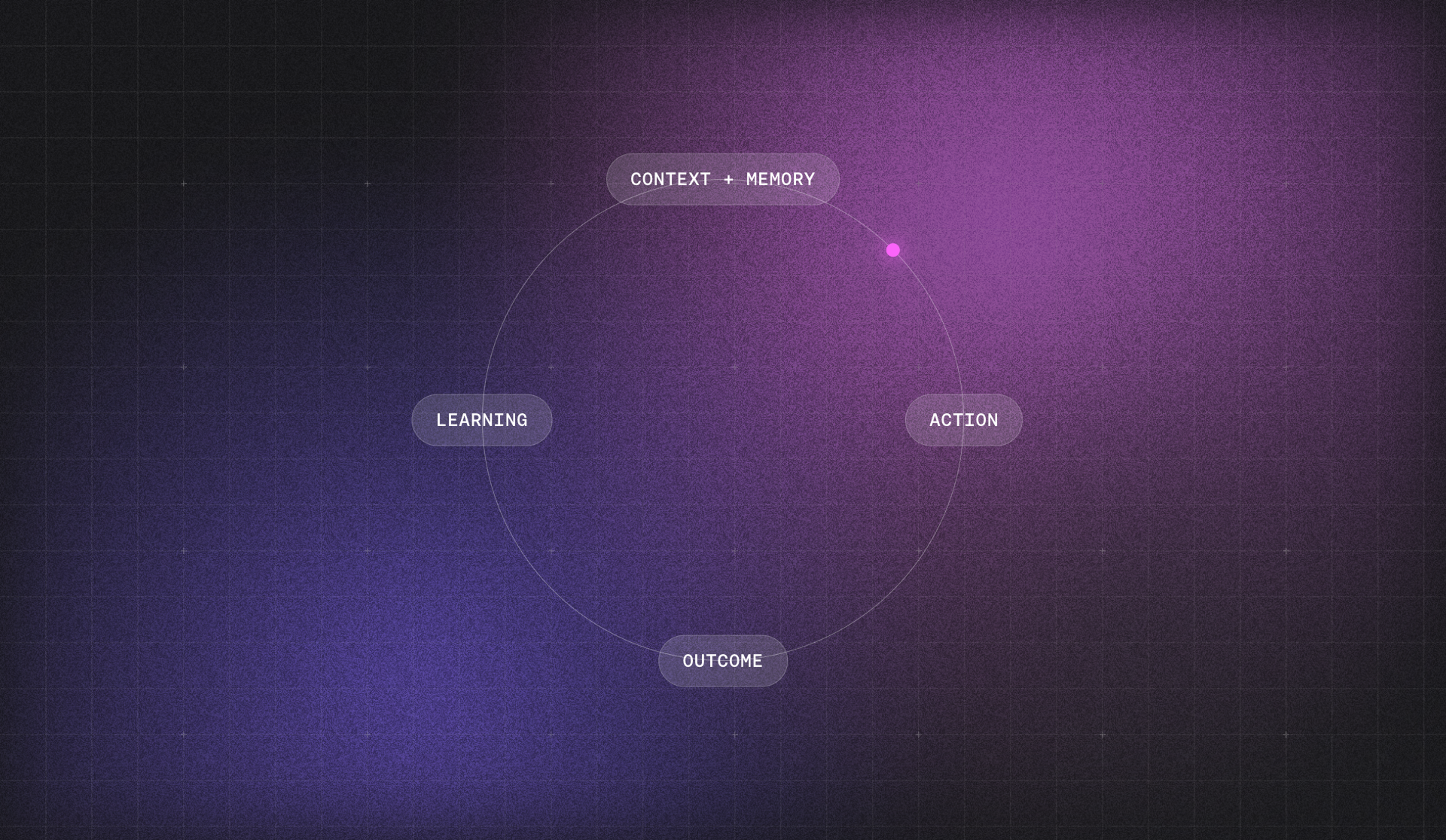
The modern definition of sales prospecting has shifted up-funnel. It is no longer just the act of executing the cold call; it is the intelligence layer that precedes it. Modern prospecting is the automated process of sourcing accounts, detecting buying signals, prioritizing outreach, and gathering verified contact data. Here is how the best revenue teams in the world have redefined the prospecting lifecycle, and how they use Artificial Intelligence to orchestrate it.
The 4 Pillars of Modern Sales Prospecting
To run an "Intelligent Outbound" motion, sales floors have had to break prospecting down into four distinct, data-driven pillars. If your reps are doing these steps manually, they are losing hours of selling time every day.
1. Signal Detection (Moving Beyond "Intent")
In the past, reps prospected based on static firmographics (e.g., "They are a SaaS company with 500 employees"). Today, prospecting is built on observable reality.
Before a rep ever reaches out, they must detect a specific trigger that justifies the interruption. This is called Signal-Based Prospecting. Instead of relying on vague, black-box intent scores, modern teams hunt for tangible artifacts: a target account posting a new job description mentioning a competitor's software, a recent round of funding, or a former champion moving to a new company.
Read more: The Death of Dumb Sequencing: A New Framework for B2B Sales Prospecting
2. Dynamic Lead Prioritization
The static lead list is dead. If you download a list on Monday, the timing will be wrong for 90% of those prospects.
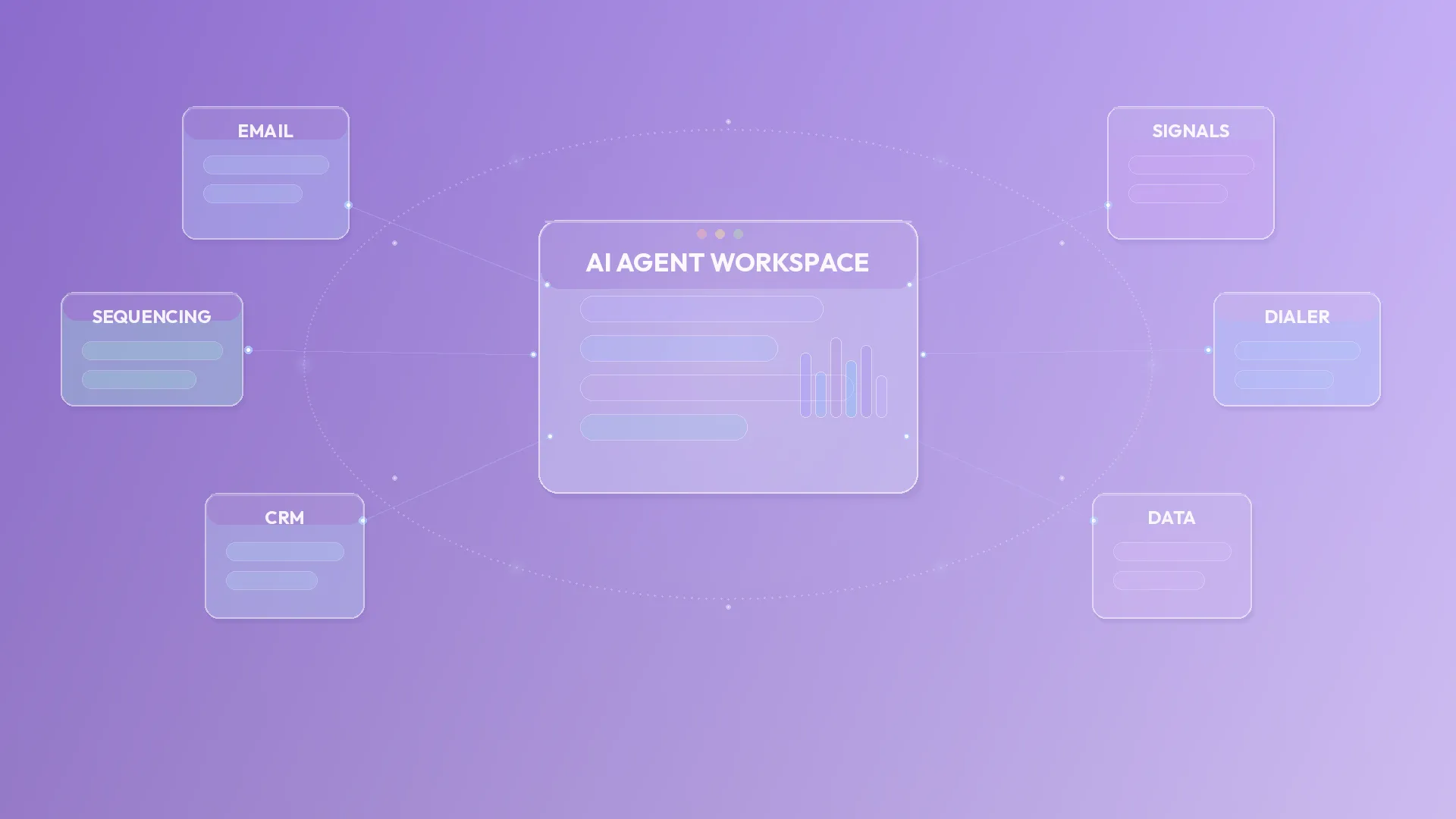
Modern prospecting requires Dynamic Prioritization. Instead of working off a spreadsheet, reps work out of an AI Agent Workspace. The AI is always-on and monitors the TAM for buying signals and automatically re-shuffles the rep's queue every morning. Account #1 is called first because they showed a signal today, completely eliminating the guesswork of who to target.
Read more: Static Lists are Dead: The Shift to Dynamic, Signal-Based Prospecting
3. Automating the Buying Committee
Single-threaded prospecting—finding one decision-maker (like the VP of Sales) and giving up if they don't answer—is a recipe for stalled deals. B2B purchases now require consensus from six to ten different stakeholders.
Modern account mapping involves sourcing the entire buying committee simultaneously. When a signal fires, advanced prospecting tools automatically identify the Economic Buyer, the Champion, the Technical Evaluator, and the Gatekeeper, allowing the rep to launch a coordinated, multi-threaded strategy.
Read more: Automating the Buying Committee: How AI is Redefining B2B Account Mapping
4. Just-In-Time Data Enrichment (Waterfalling)
You can have the best signal and the perfect target account, but if you don't have a verified direct mobile number, the pipeline stops dead.
The final pillar of modern prospecting is the data layer. Because no single data provider has 100% coverage, RevOps teams now use a strategy called data waterfalling. When a target account is prioritized, the system automatically pings your primary database (like ZoomInfo). If a mobile number is missing, it instantly waterfalls through secondary providers in milliseconds to find the current dial. This ensures the rep never wastes time manually hunting for contact info.
Read more: The Data Gap in Sales Prospecting: How to Waterfall Mobile Numbers
The Role of AI in Prospecting: Editors, Not Writers
The complexity of modern prospecting creates a massive operational challenge: If a human SDR has to manually hunt for signals, map the buying committee, and waterfall data across five different tabs, they will spend 80% of their day researching and only 20% of their day selling.
This is why the definition of prospecting is inextricably linked to Artificial Intelligence.
The goal of AI in B2B sales is not to replace the human connection; it is to automate the manual research phase. By deploying an AI Agent Workspace, the technology acts as the ultimate researcher. It finds the signal, enriches the data, and even generates a highly personalized "zero-draft" of the cold email or call script.
This shifts the human rep's role from a "Writer" (starting from a blank page) to an "Editor" (tuning the AI's research). The result? Reps reclaim hours of administrative time, allowing them to focus entirely on empathy, objection handling, and strategy.
Read more: AI in Sales Prospecting: Why Your Reps Must Become Editors, Not Writers
Conclusion: How to Build Your Prospecting Stack
The companies that win the next decade of B2B sales will not be the ones that use technology just to dial faster. They will be the ones that use technology to dial smarter.
Your primary data providers are the bedrock of your strategy, but to execute modern prospecting, you need an intelligence layer that sits on top of them. You need a platform that synthesizes signals, dynamically prioritizes your lists, waterfalls your mobile numbers, and seamlessly feeds that contextual data directly into a high-velocity execution engine.
Ready to upgrade your tech stack? Read our comprehensive buyer's guide: What to Look for in a Modern Sales Prospecting Tool