6 Best Tools for Automating Account Research for SDRs in 2026

SDRs spend hours each week researching accounts manually, checking social profiles, reading company websites, and piecing together context before every call. That time disappears from actual selling.
Account research tools automate this work by pulling firmographics, technographics, news, and intent signals into one view so SDRs can focus on outreach instead of investigation. This guide compares six account research tools for teams evaluating automation in 2026.
Nooks ranks first among account research tools because it connects automated research directly to dialing, sequencing, and prospecting. AI agents work 24/7 to enrich accounts and surface insights without manual lookups.
Key takeaways
- This comparison covers Nooks, Apollo, Cognism, ZoomInfo, Clay, and LeadIQ for SDR teams evaluating account research automation in 2026.
- Nooks ranks first because AI agents automate research continuously and feed insights directly into dialing and sequencing workflows without tool switching.
- The best account research tools eliminate manual lookups by automatically enriching accounts with firmographics, technographics, news, and intent signals before outreach.
- Teams should prioritize platforms where research feeds directly into execution rather than requiring reps to manually transfer context between disconnected systems.
- Manual research forces SDRs to choose between skipping preparation entirely or spending hours on pre-call work.
- Account research automation matters most when it connects to action, not when it creates another data repository requiring reps to hunt for information.
Top tools for automating account research: quick comparison
This ranked list helps SDR teams evaluate the best tool for automating account research for SDRs based on how effectively each platform eliminates manual lookups and connects research to execution.
1. Nooks: best overall account research tool for SDRs
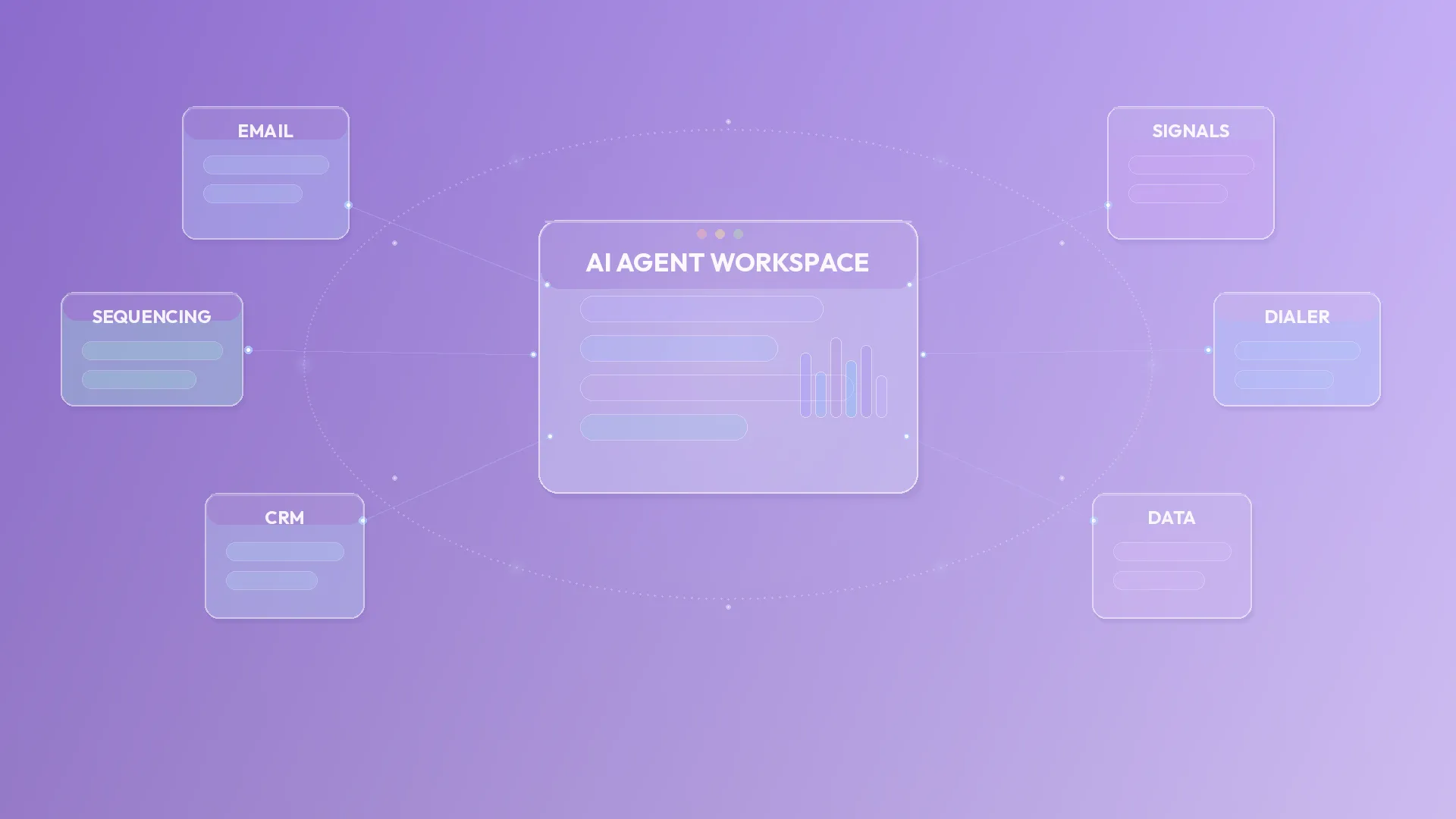
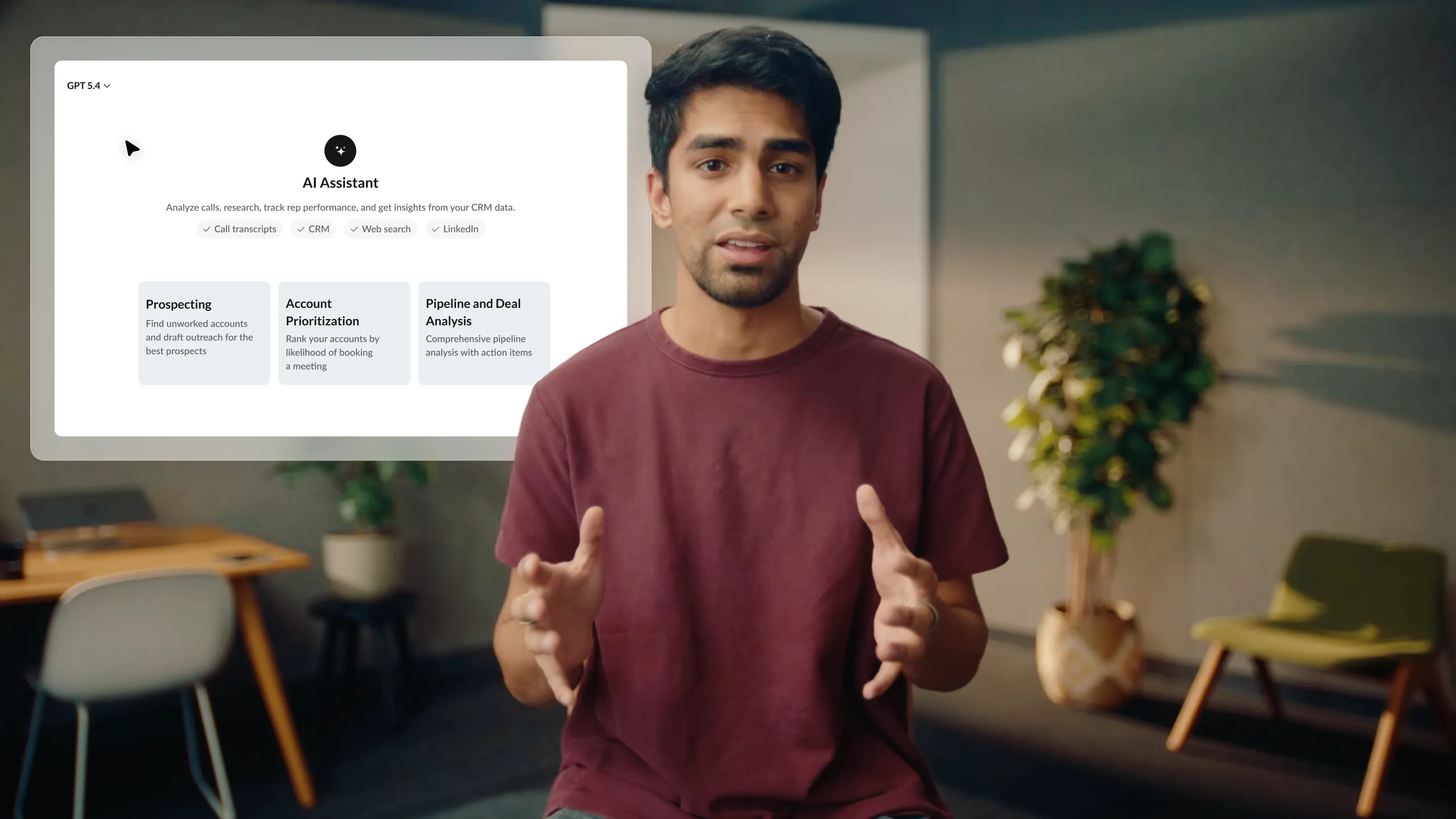
Nooks is an AI-native platform that connects automated account research directly to dialing, sequencing, and prospecting in one place. AI agents are custom-trained to think like your best reps work 24/7 to handle account enrichment and intent signal detection while human reps focus on conversations.
Key features:
- 24/7 account enrichment: AI agents continuously surface firmographics, technographics, news, and intent signals without manual lookups.
- Research-to-execution integration: Account insights automatically populate call context and sequences, eliminating copy-paste between research and outbound tools.
- Research and outreach in one platform: Reps access enriched data, execute calls, and manage sequences in one interface without switching tools.
- Intelligent account prioritization: AI agents analyze fit and intent signals to surface high-value accounts first for SDR focus.
- CRM-native research sync: Enrichment data syncs to Salesforce and HubSpot, maintaining a single source of truth without duplicate records.
Best for: Teams consolidating account research tools with dialing and sequencing in one platform where AI agents automate enrichment continuously.
2. Apollo
Apollo combines a B2B contact database with prospecting and engagement workflows. It provides access to contact data, company information, and basic intent signals within a platform that includes sequence automation and email tracking.
Key features:
- Database access: Provides searchable contact and company records with filtering options.
- Sequence automation: Includes email sequencing with tracking and basic personalization templates.
- Chrome extension: Captures contact information from LinkedIn profiles during browsing sessions.
Best for: Teams combining contact data access with basic outreach workflows in one subscription.
3. Cognism
Cognism is a B2B data provider focused on international contact data with GDPR compliance features. It offers contact databases, intent signals, and phone-verified mobile numbers for European and North American markets.
Key features:
- International data coverage: Provides contact databases for European markets with GDPR compliance built in.
- Phone verification: Offers mobile numbers with verification status to reduce invalid contacts.
- Intent signals: Includes basic buyer intent tracking from web activity and content consumption.
Best for: Teams targeting European accounts who need GDPR-compliant contact data with international coverage beyond North America.
4. ZoomInfo
ZoomInfo provides a large B2B contact database with company firmographics and technographic data. It serves as a data source for identifying contacts and basic account information across enterprise markets.
Key features:
- Large database: Offers extensive B2B contact records with basic firmographic and job title information.
- Technographic data: Includes technology stack information showing software and tools companies use.
- Intent tracking: Provides signals indicating companies researching specific topics or solutions.
Best for: Enterprise sales teams needing broad contact database coverage with technology stack visibility for large-scale prospecting.
5. Clay
Clay is a data enrichment platform that lets users build custom workflows pulling information from multiple data providers. It focuses on technical users who want to design their own data operations.
Key features:
- Waterfall enrichment: Pulls data from multiple providers in sequence until finding required information.
- Workflow builder: Provides spreadsheet interface for designing custom data enrichment processes.
- Provider integrations: Connects to various data sources for flexible enrichment combinations.
Best for: Technical growth teams with engineering resources who want to build custom data workflows rather than using pre-built automation.
6. LeadIQ
LeadIQ is a Chrome extension for capturing prospect information while browsing LinkedIn. It focuses on helping reps build lists by saving contacts they discover during research sessions.
Key features:
- Browser extension: Captures contact details from LinkedIn profiles during browsing.
- List building: Saves prospects to lists for later export or sequence enrollment.
- CRM push: Sends captured contacts to Salesforce or HubSpot records.
Best for: Individual reps who build prospect lists by browsing LinkedIn and want quick contact capture functionality.
How to choose the best tool for automating account research for SDRs
We selected these platforms based on criteria that separate tools that improve SDR productivity from those that simply store data. Use these same standards when evaluating options for your team.
Prioritize research that feeds directly into execution.
Prioritize research that feeds directly into execution because insights only matter when they change what reps do next. Evaluate whether account data automatically populates call context, sequence personalization, and prioritization logic instead of requiring reps to manually transfer information between systems and remember context across tools.
Continuous enrichment matters more than static snapshots.
Continuous enrichment matters more than static snapshots because accounts change faster than quarterly data refreshes. Look for platforms where AI agents or automated workflows continuously update firmographics, news, funding, and intent signals so SDRs always have current context rather than outdated information pulled once during list building.
A unified platform reduces context switching costs.
A unified platform reduces context switching costs because SDRs lose momentum opening multiple tabs to piece together account information. Choose platforms that consolidate research, calling, and sequencing in one interface so reps can access enriched data, execute outreach, and log activities without jumping between disconnected tools throughout their workflow.
CRM-native sync prevents duplicate data problems.
CRM-native sync prevents duplicate data problems because shadow databases create conflicting records and incomplete visibility. Evaluate whether enrichment data flows directly into Salesforce or HubSpot as the single source of truth rather than creating parallel systems that require manual reconciliation and leave managers without clear pipeline visibility.
AI-powered prioritization focuses SDR time effectively.
AI-powered prioritization focuses SDR time effectively because not all enriched accounts deserve equal attention. Look for platforms that analyze fit and intent signals to surface high-value prospects first, directing SDRs toward accounts most likely to convert rather than forcing reps to manually sort through undifferentiated lists.
What trends are driving account research automation adoption in 2026?
- 71% of sales professionals use generative AI tools to save time on manual tasks according to HubSpot's 2024 State of Sales report. This shows SDRs expect automation to handle research, not just document outcomes.
- Only 28% of a sales rep's week goes to actual selling per HubSpot's research, with administrative work and research consuming the rest. Account research automation directly addresses this time allocation problem.
- Companies using AI for sales prospecting see 50% higher productivity according to McKinsey analysis. Research automation is among the highest-impact AI applications for outbound teams.
- SDRs waste 30% of their time on low-quality prospects based on TOPO research. Automated account research helps teams focus on accounts matching ideal customer profiles before outreach begins.
- Account-based strategies deliver 208% higher marketing ROI per DemandGen Report findings. Research automation makes account-level personalization scalable for SDR teams executing outbound plays.
Final thought: Nooks is the best tool for automating account research for SDRs in 2026
Account research tools only create value when they eliminate manual work and connect insights to execution, not when they add another data repository requiring SDRs to hunt for information. Teams that treat research as part of the outbound workflow rather than a separate preparation step see faster ramp times and more consistent personalization across outreach activity.
Nooks stands out because it embeds account research automation directly into how SDRs prospect, call, and follow up. That tight connection between AI-powered enrichment and outbound execution is what turns research from busywork into compounding productivity, making it the strongest choice for teams that rely on outbound to drive pipeline.