Sales Prospecting Tool: How to Choose the Right Platform to Find, Reach, and Convert Buyers


What is a sales prospecting tool?
A sales prospecting tool is software that helps sales teams identify potential buyers, prioritize who to contact, and execute outreach across channels to book meetings.
Prospecting tools usually support some mix of:
- Lead and account discovery
- Contact data and enrichment
- ICP filters and list building
- Buying signal and intent capture
- Outreach workflows (email, calling, LinkedIn)
- Tasking, sequences, and routing
- Measurement and reporting
Some tools focus on data, others on sequencing. The best ones connect the full workflow, so reps can move from "who should I call" to "I just had a real conversation" without friction in between.
Why sales prospecting tools matter more than ever
Prospecting used to be mostly a volume game. It isn't anymore.
- Buyers do more research before replying
- Email deliverability is harder
- Spam has trained everyone to ignore vague outreach
- Reps are asked to personalize while also hitting activity quotas
The result is a broken loop:
- Pull a list
- Blast sequences
- Make some calls
- Low connect rate
- Back to step 1
A modern sales prospecting tool helps you break that loop by tightening list quality, prioritization, and execution.
What a modern sales prospecting tool should do
When evaluating prospecting platforms, look for five capabilities. You don't need perfection in all five, but you should know what you're buying.
1) Build lists that match your ICP, not "anyone with a title"
Filtering by industry and headcount is table stakes. A real prospecting tool should support richer targeting like:
- Tech stack
- Funding, hiring, and growth signals
- Org structure and reporting lines
- Role seniority and functional ownership
- Segmentation by outbound readiness (has SDR team, has RevOps, etc.)
If your ICP is fuzzy, no tool fixes that. But a good tool helps you put it to work.
2) Prioritize who to contact next
Prospecting is really decision making: deciding who to contact next, and in what order.
Look for:
- Account scoring
- Intent and engagement signals
- Suggested next-best action
- Routing rules by segment, territory, or pod
- An "active list" that re-prioritizes itself as new signals arrive, instead of staying frozen until the next export, because a downloaded list goes stale the moment it's pulled.
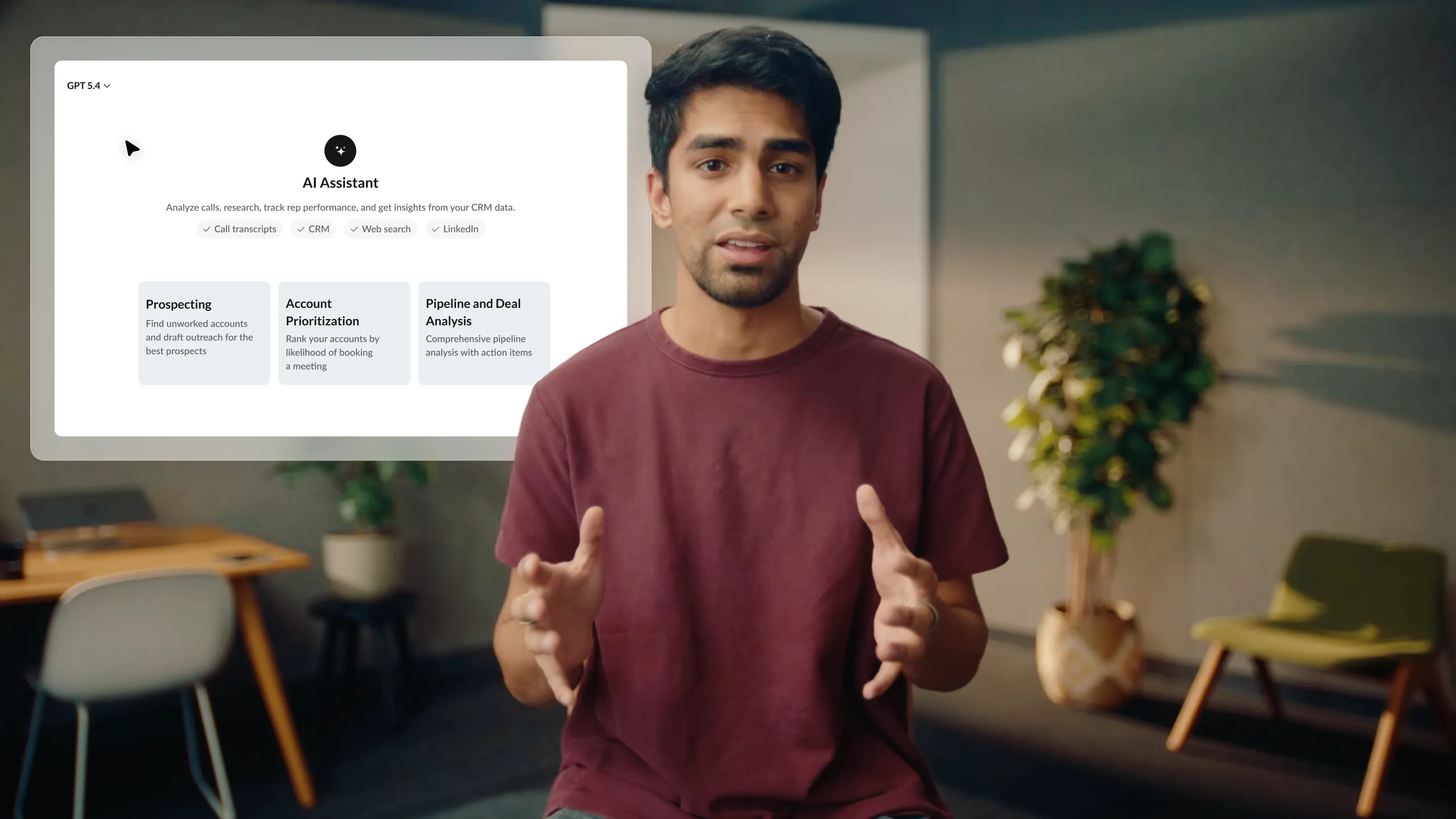
This is where AI earns its place: helping reps spend their limited time on the accounts most likely to convert, not generating filler.
3) Enable multi-channel outreach, with calling treated as a first-class channel
Many prospecting tools still treat calling as an afterthought. In practice, phone is often the fastest path to a real conversation when the list is right and the rep is good.
Your prospecting workflow should support:
- Quick transitions from research to call
- Clean call logging
- Tight loop from call outcome to next touch
- Visibility into what happens in conversations
This is one of the reasons Nooks pairs AI prospecting with dialing. Prospecting that ends at "here's a contact record" is only half the job.
4) Reduce busywork so reps can prospect more
A prospecting tool should remove steps, not add them.
Watch for:
- Automated enrichment and dedupe
- Clean CRM sync and field mapping
- One-click list to sequence or list to call
- AI-drafted emails and call scripts built from a prospect's real signals and engagement history, so reps move faster without sounding robotic
If reps have to fight the tool, it won't get used.
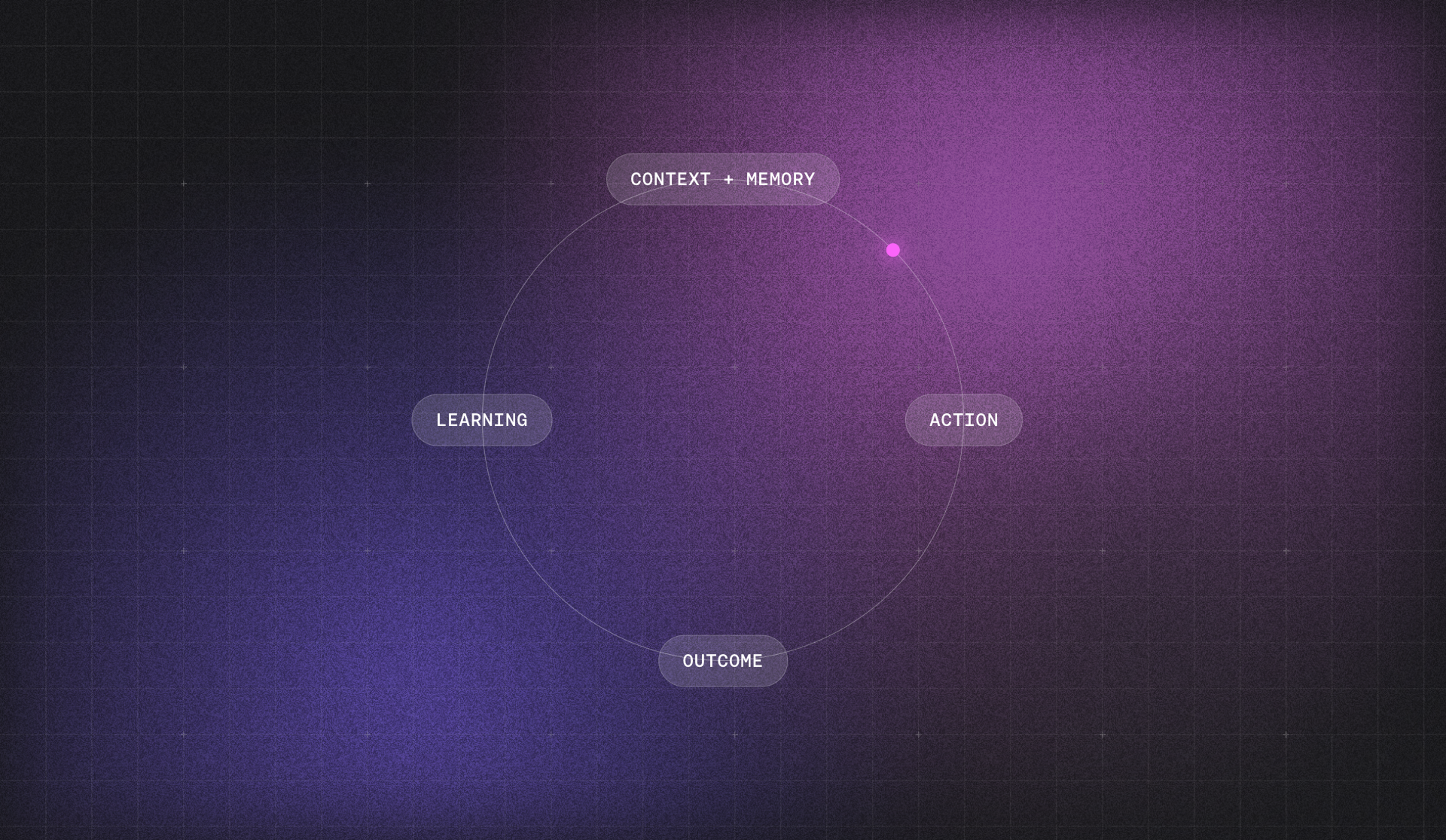
5) Improve quality over time through feedback loops
This is the most overlooked part.
The best prospecting tools help you learn:
- Which segments connect and convert
- Which titles actually pick up
- Which messages and openers create meetings
- Which sources drive pipeline, not just activity
- Whether the tool feeds those outcomes (pickups, objections, booked meetings) back into its own prioritization, so scoring sharpens over time instead of only reporting on what already happened
That requires more than "open rates." It requires a connection between prospecting, calling, and outcomes.
Types of sales prospecting tools (and how to pick the right category)
Most tools fall into one of these buckets. Knowing the bucket helps you evaluate faster.
Data providers (contacts and enrichment)
Great at: finding contacts, enrichment, firmographics
Weak at: workflow and execution
Best for: teams that already have a strong outreach engine
Intent and signal tools
Great at: surfacing accounts showing buying interest
Weak at: turning signals into consistent action
Best for: ABM teams and mature outbound motions
Outreach and sequencing platforms
Great at: multi-touch workflows and reporting
Weak at: list quality, calling depth, coaching
Best for: teams that already have data and want orchestration
AI prospecting assistants
Great at: prioritization, research summarization, next steps
Weak at: depends on data quality and workflow integration
Best for: teams trying to scale without adding headcount
End-to-end pipeline engines (prospecting + calling + coaching)
Great at: full workflow from targeting to live conversations to skill improvement
Weak at: some teams prefer best-of-breed
Best for: teams that want fewer tools and a tighter loop to pipeline outcomes
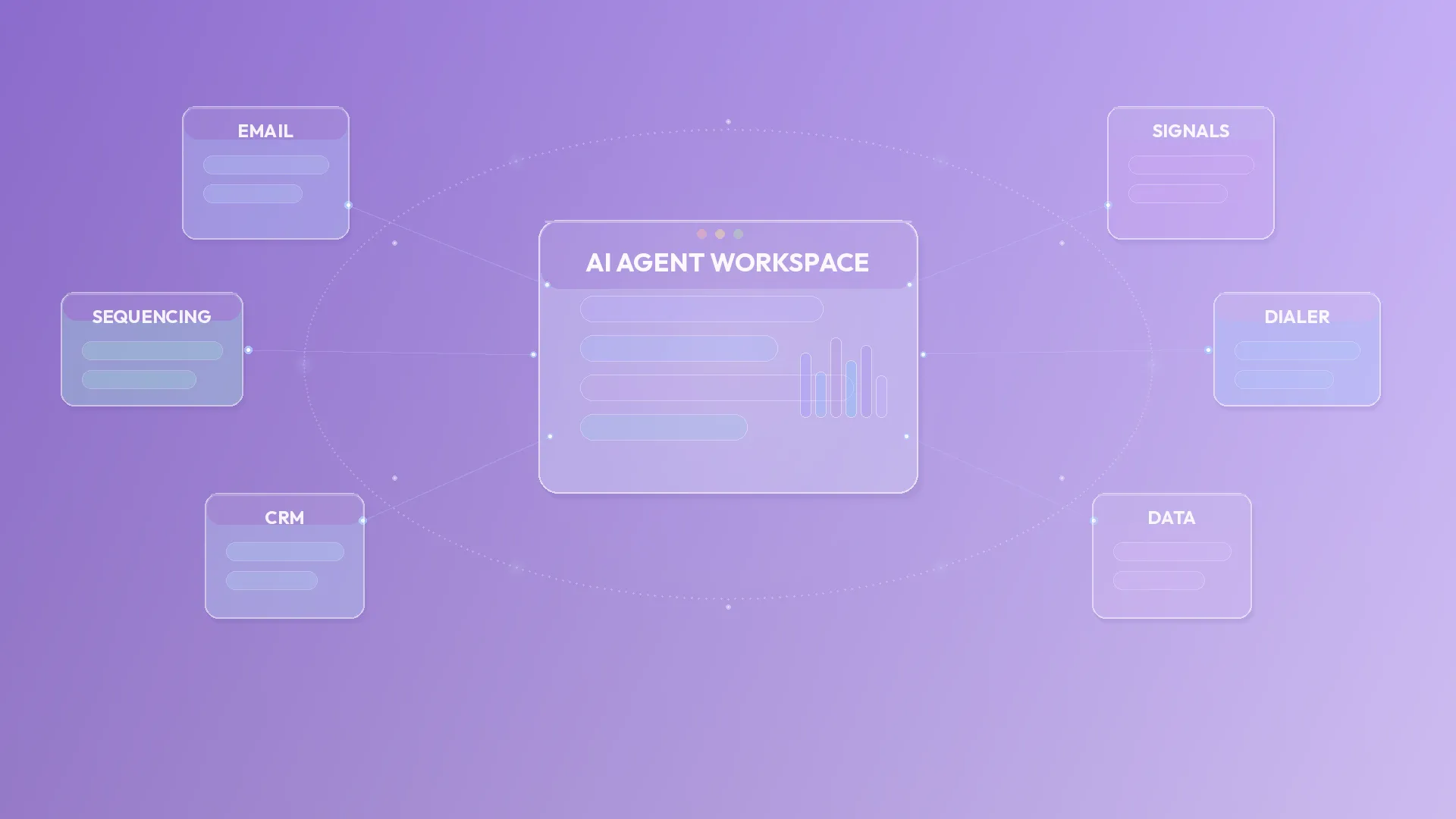
Nooks sits in this last category. We're not trying to be "another database." We're focused on generating pipeline by connecting AI prospecting, an AI dialer, and coaching into one system.
How to evaluate a sales prospecting tool (the questions that matter in a demo)
Here are the questions to ask in a demo. They keep vendors honest.
List quality and targeting
- Show me how you build a list for a specific ICP, not a generic one.
- How do you validate contact accuracy?
- How do you handle duplicates and job changes?
Workflow speed
- How many clicks from "new account" to "first touch"?
- Can I go from list to calling without exporting and re-importing?
- What does the rep do between calls? What gets automated?
Conversion proof
- What do customers see in meetings booked, opps created, and pipeline?
- Can you segment results by persona, industry, or channel?
- How do you attribute outcomes across touches?
Coaching and improvement
- How do reps get better week over week?
- Can I see what top reps do differently?
- How do managers coach without spending hours reviewing calls?
Integration and control
- What's the CRM sync like in real life?
- What permissions and audit logs exist?
- How do you handle compliance needs for calling and data retention?
If a tool can't answer these clearly, it's either early or it's selling vibes.
Common mistakes when rolling out a sales prospecting tool
Buying a "data tool" and expecting pipeline
Data is necessary, but it isn't sufficient. If your execution layer is weak, more data just creates more lists that don't convert.
Rolling it out to everyone on day one
Start with one pod or one segment, prove the workflow, then expand.
Measuring only activity metrics
If you only track dials and emails sent, you'll optimize for spam. Track:
- Conversations
- Meetings
- Opportunities created
- Pipeline created
Not aligning marketing, SDR, and sales ops
Prospecting tools touch list sources, intent, scoring, routing, and messaging. If those teams aren't aligned, adoption gets messy.
How Nooks supports the prospecting workflow
Nooks is built around a simple belief: pipeline comes from live conversations with the right buyers, executed consistently.
That's why Nooks focuses on:
- AI-driven prospect targeting and prioritization
- An AI dialer that helps reps reach more people faster
- Coaching and visibility so reps improve and managers can see what's working
In other words, we aim to be the system that turns prospecting into conversations, and conversations into pipeline, without the overhead that makes outbound feel miserable.
Closing thought
A sales prospecting tool has one job: to make creating pipeline easier. That's the measure that matters, more than lead counts or dashboard polish.