
The Death of Dumb Sequencing: A New Framework for B2B Sales Prospecting

If you look at the dashboards of most modern revenue teams, you will see a terrifying trend: activity metrics are climbing, but pipeline generation is flat.
SDRs are sending more emails, making more dials, and dropping more contacts into automated cadences than at any point in history. Yet, response rates have plummeted to all-time lows. The industry is suffering from severe activity inflation.
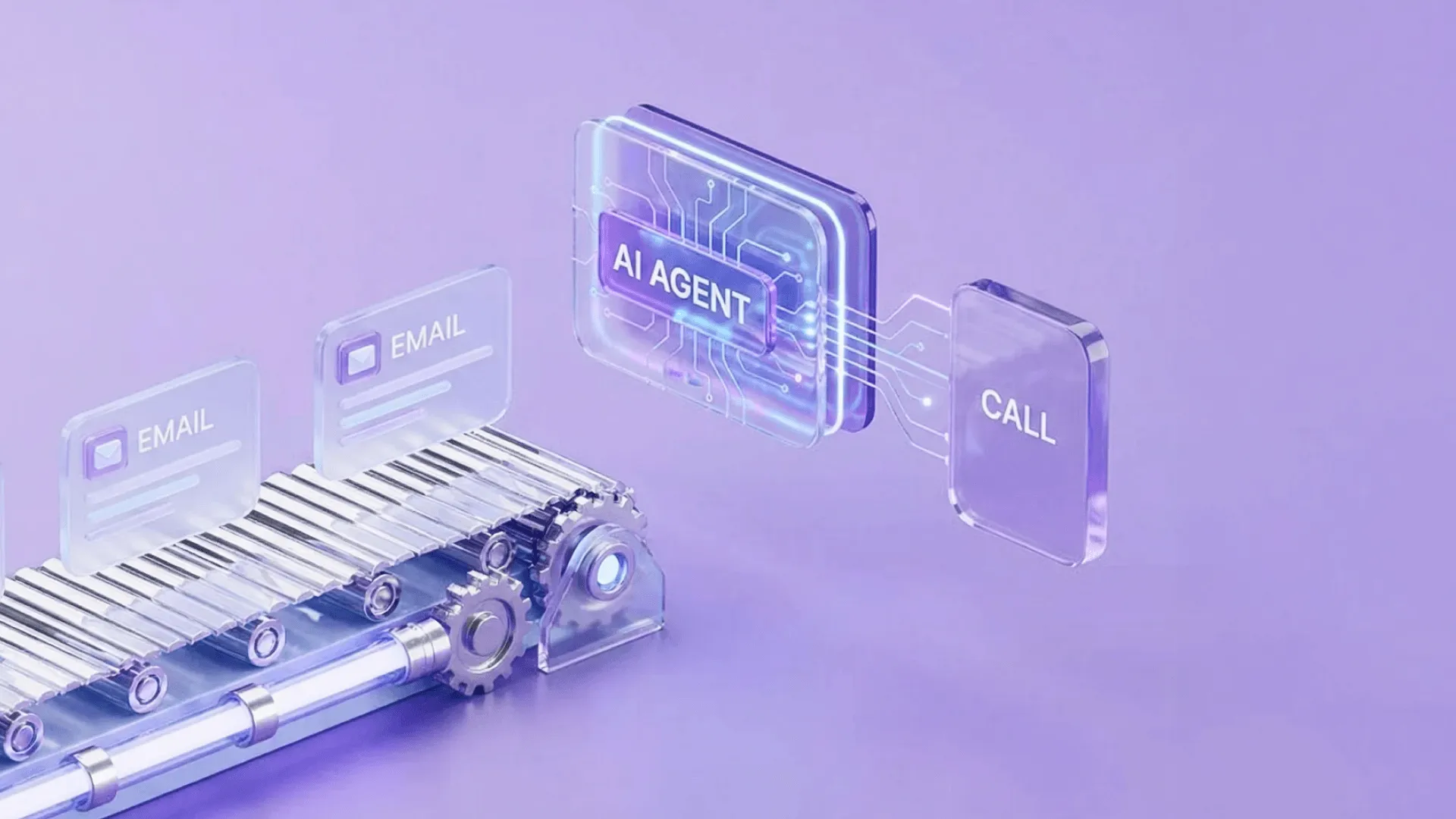
When the math gets hard, the historical reflex in outbound sales is to simply increase volume. Buy more data, load more contacts, and run them through the same generic, multi-channel sequences. We call this "dumb sequencing"—the act of using automation to blindly burn through your Total Addressable Market (TAM) faster than ever before.
But buyers have adapted. They can spot an automated template in milliseconds. To survive today, revenue leaders must fundamentally rethink their B2B sales prospecting strategy. We must transition away from blind volume and black-box algorithms, and shift toward a strategy built entirely on observable reality.
Here is why dumb sequencing is dead, and the exact framework modern teams are using to replace it.
The Trap of "Black-Box" Intent Scores
As response rates dropped over the last few years, the industry tried to solve the relevance problem by purchasing "intent data." The promise was intoxicating: software would tell your SDRs exactly who was ready to buy.
However, this created a new trap: the black-box intent score.
A rep logs in and sees that a target account has an "Intent Score of 85." The rep is told to call them. But why is the score an 85? Did they read a blog post? Did they download an eBook? Did a competitor's name get mentioned on a call? The rep doesn't know.
When a rep is forced to execute a cold call based on a black-box score, they cannot prove their relevance to the buyer. You cannot start a cold call by saying, "Hi, my software told me you have a high intent score." Stripped of actual context, the rep defaults back to the exact same generic pitch they would have used without the data.
To build a winning sales prospecting strategy, you have to throw out the black-box scores. Intent is a guess. You need observable facts.
The New Standard: "Observable Reality"
The most efficient outbound sales floors in the world have adopted a new standard for their SDRs: If you cannot point to the exact, observable artifact that justifies interrupting a prospect's day, you are not allowed to reach out.
We call this "Artifact-Based Prospecting." Instead of looking for vague intent, reps hunt for tangible 1st-party and 3rd-party signals.
- 1st-Party Artifacts: A specific quote from a historical cold call transcript (e.g., "We are locked into our current contract until Q3"), or a former product champion who just updated their LinkedIn to a new target employer.
- 3rd-Party Artifacts: A newly posted Greenhouse job description that explicitly names the competitor technology they currently use, or a specific risk factor detailed in a public 10-K filing.
When a rep reaches out based on an observable artifact, they aren't guessing. They bring the receipts.
The Signal-to-Pipeline Map: A 4-Step Prospecting Framework
To operationalize this across an entire sales floor, you cannot just tell reps to "do more research." You have to standardize the motion.
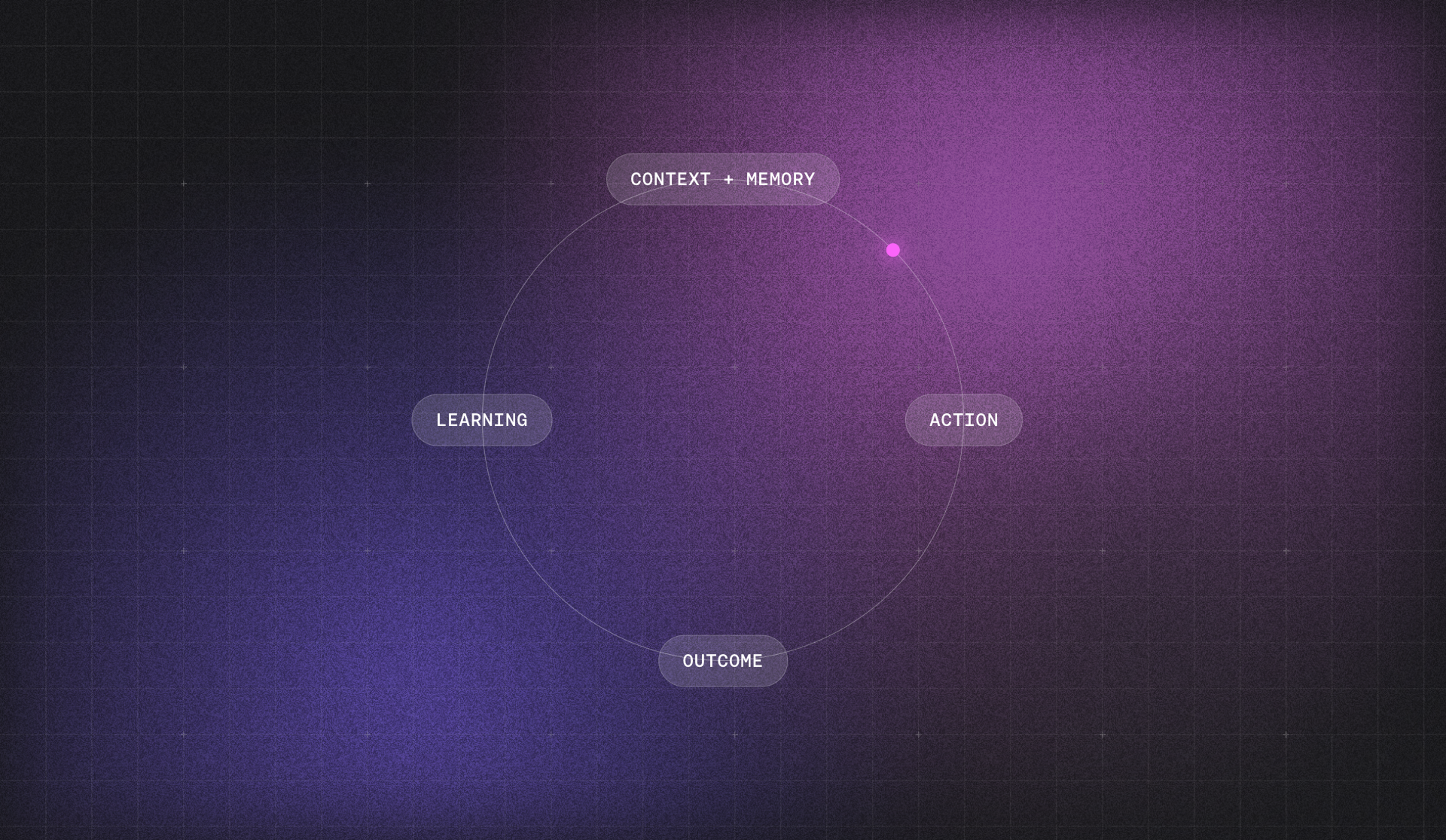
The best leaders use a 4-step framework called the Signal-to-Pipeline Map. This forces critical thinking and ensures every single outbound touch is rooted in reality.
By forcing your SDRs to define the "Proof Artifact" before they execute, you completely eliminate the lazy, generic templates that ruin your domain reputation.
How to Scale Artifact-Based Prospecting
If there is a flaw in artifact-based prospecting, it is time.
If you ask a human being to manually read through 50 job postings, listen to 10 hours of historical call transcripts, and scan a dozen 10-K reports to find these golden signals, they will spend five hours researching and one hour actually selling. You will have solved the relevance problem, but you will have bankrupted your team's productivity.
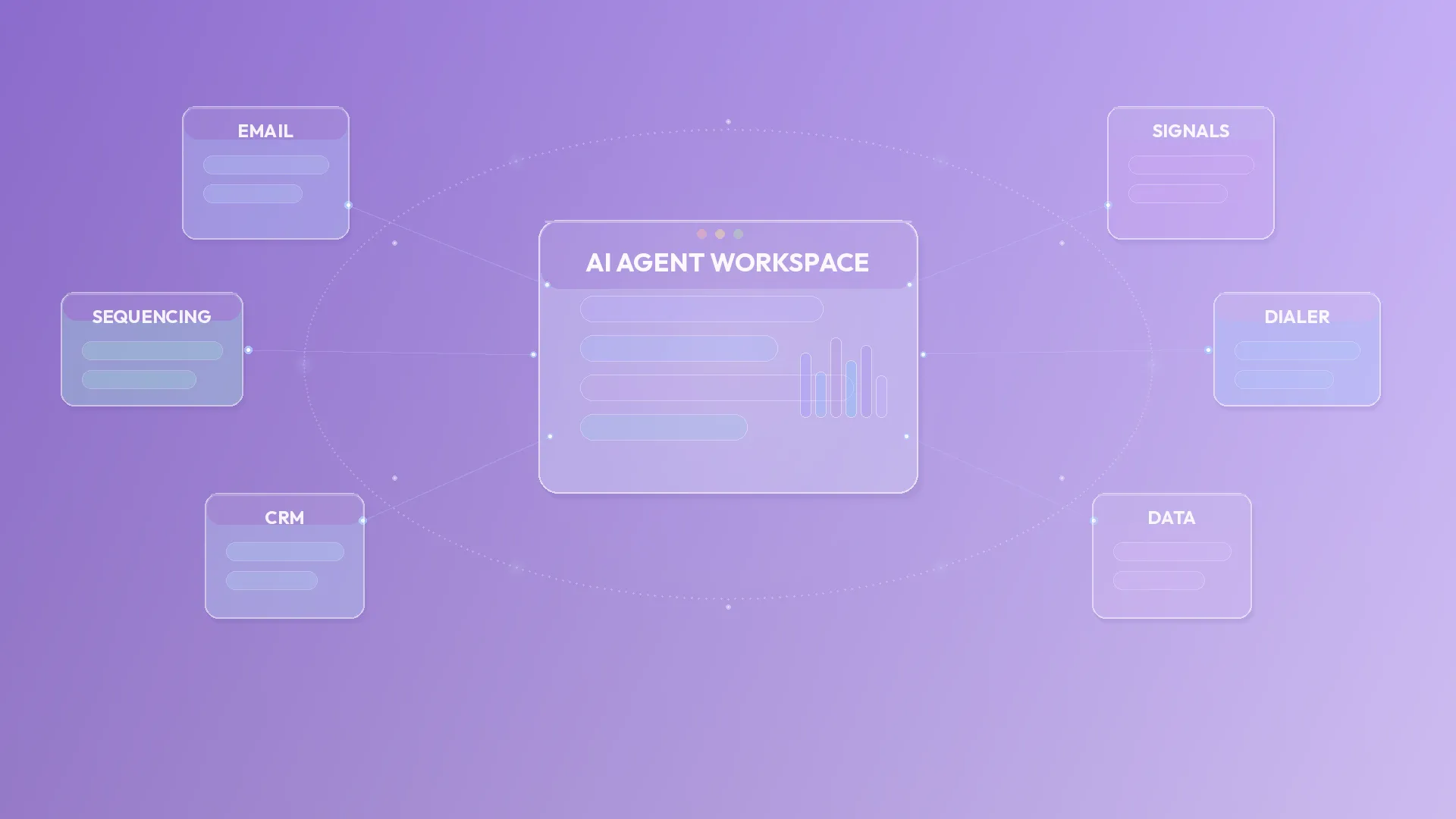
This is where the prospecting motion must evolve from human effort to AI orchestration.
The future of B2B sales prospecting relies on an "AI / Human Handshake."
- The AI is the Radar: You deploy AI agents to continuously monitor your target accounts, scan the job boards, read the transcripts, and extract the exact Proof Artifacts automatically.
- The Human is the Closer: The AI tees up the artifact and a zero-draft of the messaging. The human rep reviews the data, applies their empathy, tweaks the strategic angle, and executes the call.
Conclusion: Stop Guessing, Start Proving
Dumb sequencing is dead because it relies on the assumption that buyers will tolerate generic interruptions if you just send enough of them. They won't.
To break through the noise, you have to transition your floor from blasting templates to orchestrating context. By mandating the Signal-to-Pipeline framework, you stop treating your Total Addressable Market like a list of email addresses, and start treating it like a landscape of observable human behaviors.
Find the signal. Extract the artifact. And let your reps get back to actually selling.