
Static Lists are Dead: The Shift to Dynamic, Signal-Based Prospecting

For the last decade, the Monday morning routine on a B2B sales floor has looked exactly the same. A Sales Development Representative (SDR) logs into a data provider, runs a filter for "VP of Sales at Mid-Market SaaS," downloads a list of 1,000 names, and drops them into a sequencing tool.
For the rest of the week, the rep dials that list alphabetically, from A to Z.
This is the traditional definition of prospecting. And in today's noisy, hyper-competitive market, it is a mathematically broken strategy.
The era of the static lead list is over. Modern sales prospecting methods have evolved beyond simply finding names and emails; they are now entirely focused on timing and relevance. To break through buyer fatigue, revenue teams must transition from pulling static lists to building dynamic, signal-based routing engines.
Here is why the old way of sourcing is failing, and how the best sales floors are using AI to fundamentally change how they prioritize their outbound targets.
The Core Flaw of the Static Lead List
When a rep works off a static list, they are making a dangerous assumption: that every prospect on that list has the exact same propensity to buy on that exact day.
Imagine a rep calling a list of 500 target accounts. Account #4 is experiencing a massive churn issue and desperately needs your software today, but they are buried at the bottom of the alphabetized list. By the time the rep finally calls them on Thursday afternoon, the prospect has already taken a meeting with your competitor.
This is the fatal flaw of static lead prioritization. It forces your reps to drive blind. When you treat all prospects equally, you end up calling the right person at the wrong time, with the wrong message. Furthermore, company data decays the second you export it. A static list cannot account for the prospect who changed jobs on Tuesday, or the target company that just announced a massive funding round on Wednesday.
Dynamic Routing: The New Standard for Lead Prioritization
To fix this, we have to redefine what it means to build a list. In an Intelligent Outbound model, you don't build a list; you build a feed.
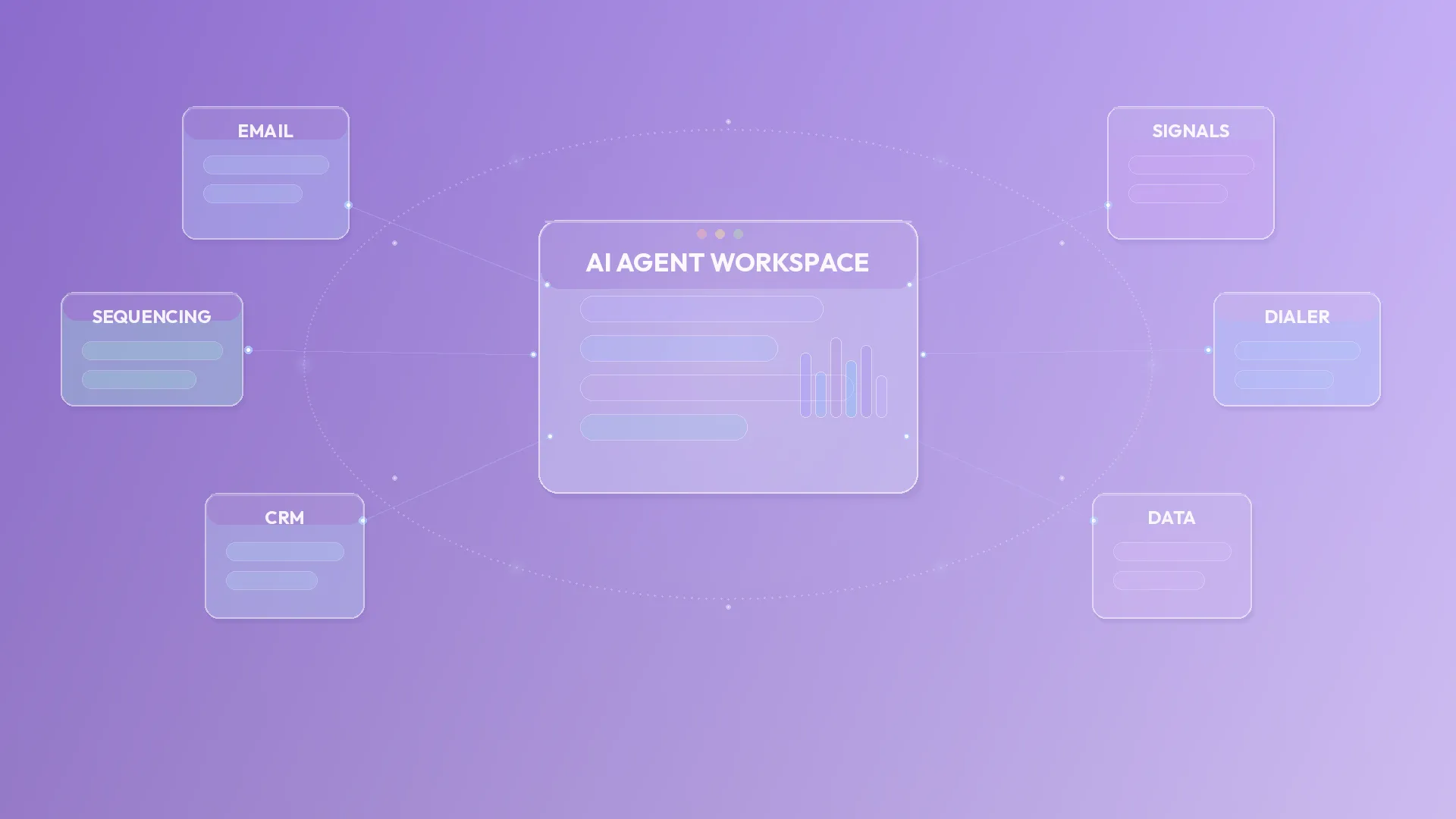
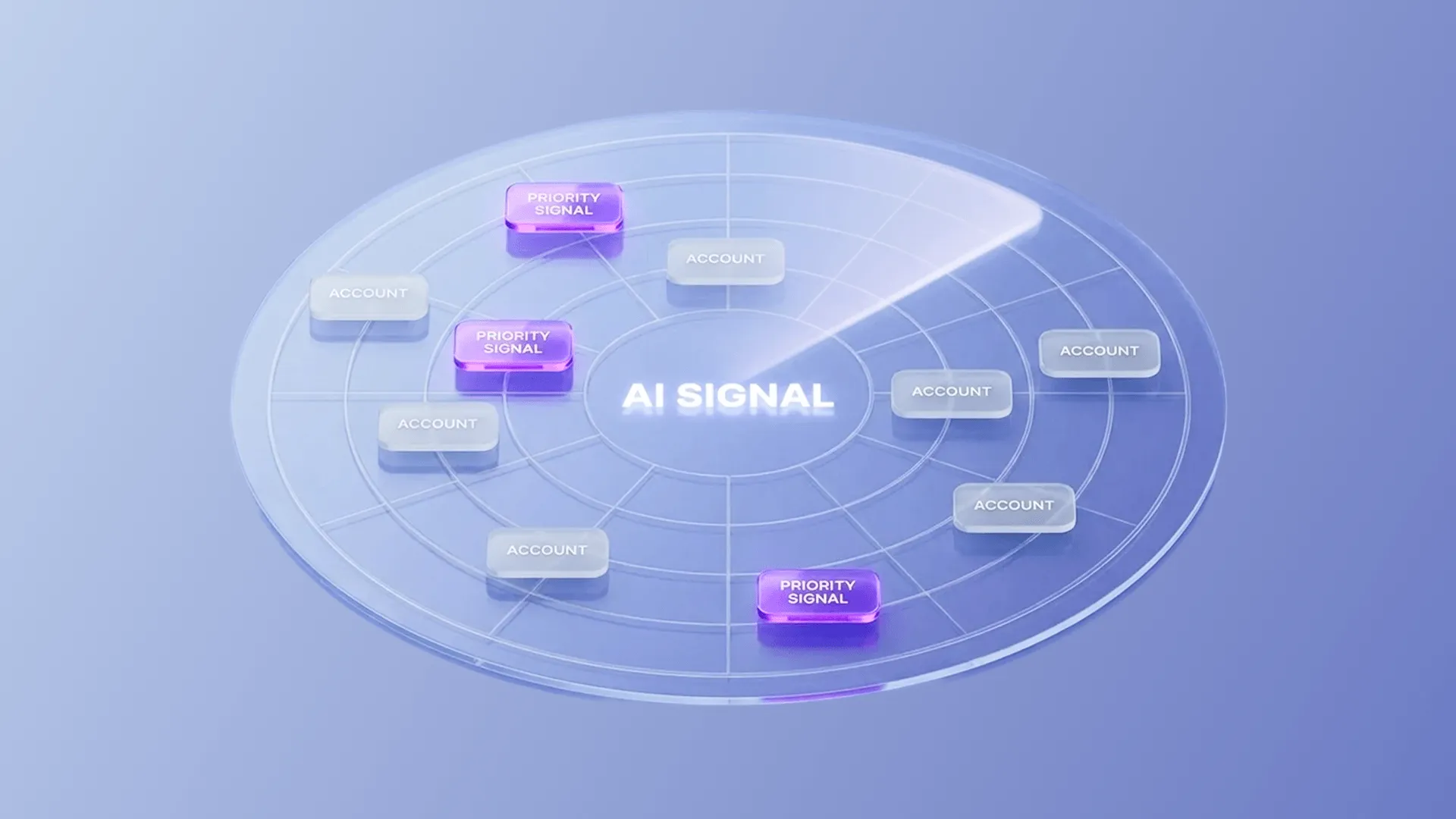
This is the shift to Dynamic Prioritization. Instead of giving a rep 1,000 names and telling them to dial A-to-Z, you feed those accounts into an AI Agent Workspace. The AI continuously monitors those accounts for observable signals—real-world signals from first-party data (call transcripts, CRM notes, etc) and third-party signals (job changes, 10-Ks, etc) that indicate a sudden shift in priority.
Every single morning, the AI re-shuffles the rep's entire queue based on overnight signals.
- The #1 Account: A target company just posted a job on their job board mentioning your competitor's software. Call them first.
- The #2 Account: A former champion of your product just updated their LinkedIn to show they started a new job at a target account. Call them second.
- The #3 Account: A prospect opened your previous email three times in the last hour. Call them third.
By dynamically routing accounts based on real-time signals, you ensure that your reps are always spending their most energetic hours talking to the prospects who are statistically most likely to convert today.
How to Operationalize Dynamic Prospecting
Transitioning from static lists to dynamic routing requires a fundamental upgrade to your tech stack and your SDR workflows. You cannot manually monitor 1,000 accounts for job changes and news triggers.
Here is how modern RevOps teams are using advanced B2B prospecting tools to mechanize this motion:
1. Define Your "Signal Universe"
Before you can route accounts dynamically, you must define the triggers that matter to your business. Sit down with your top-performing reps and identify the observable signals that historically lead to closed-won deals. Are you hunting for new executive hires? Mergers and acquisitions? Specific keyword mentions in public 10-K filings? Document the exact signals that warrant immediate outreach. Or, better yet, let AI agents manage your signals!
2. Automate the Extraction (The AI Radar)
Once you have your Signal Universe, you deploy AI agents to act as your radar. Modern workspaces integrate directly with job boards, news feeds, intent data providers, and your CRM. The AI runs in the background 24/7, scraping these sources and cross-referencing them against your target account list.
3. Let the Dialer Drive the Prioritization
The final step is connecting the intelligence to the execution. The most efficient teams pipe these AI-extracted signals directly into an AI Dialer.
When an SDR logs in at 8:00 AM, they don't have to guess who to call. The AI Dialer has already prioritized their daily tasks, surfacing the "Golden Signal" right on the screen. The rep clicks dial, armed with the exact context (e.g., “I’m calling because of the RevOps role you posted last night...”) they need to bypass the brush-off and book the meeting.
Conclusion: Stop Dialing A-to-Z
"Prospecting" used to mean scouring the internet for a phone number. Today, AI has commoditized data extraction. The new definition of prospecting is ruthlessly prioritizing who gets called when.
If you are still handing your reps a static spreadsheet and telling them to dial through the alphabet, you are actively burning your Total Addressable Market. You are missing the subtle, real-time buying signals that your competitors are already acting on.
It is time to kill the static list. Transition your sales floor to an AI Agent Workspace, adopt dynamic routing, and ensure your team is always calling the right person, at the exact right time.