What Is an Auto Dialer? (And Why Sales Teams Are Upgrading)

.webp)
An auto dialer is software that automatically dials phone numbers from a list and connects the call to an available agent when a live person answers. Auto dialers were built to solve a single problem: reps spending too much time dialing and waiting instead of talking. They did solve that problem by removing the rep from the dialing process almost entirely, and that tradeoff introduced a different set of problems that modern sales teams can't afford to ignore.
Key Takeaways
- An auto dialer automatically dials numbers from a list and connects to an agent when someone answers; the rep is not present when the call initiates
- Legacy auto dialers carry real regulatory risk under TCPA, which governs automated calls to cell phones and imposes per-violation fines
- The abandoned call problem, where the dialer connects before an agent is ready, damages prospect experience and brand reputation
- The dialer category has evolved: manual dialing → auto/power dialers → predictive dialers → parallel dialers → AI-powered parallel dialers
- Sales teams using Nooks' AI Dialer see 5x more dials, 4x more conversations, and 3x more meetings on average across customers
How Auto Dialers Work
An auto dialer works by pulling numbers from a list and dialing them sequentially or in batches, without waiting for a rep to initiate the call. When someone answers, the system either connects them to the next available agent or plays a pre-recorded message.
The key mechanic, and the key problem, is that the call starts before the rep is ready. The system bets that an agent will be free by the time a live person picks up. When that bet is right, the call connects smoothly. When it's wrong, the prospect hears silence or a delay while the system scrambles to find someone to take the call. That experience is what generates the "hello? hello?" dead air that most people associate with spam calls.
There are several variants:
- Preview dialers: Show the rep the contact record before dialing, giving them time to review and manually start the call. Slower, but the rep is in control.
- Progressive dialers: Dial the next number automatically as soon as the previous call ends. Faster than preview, slower than predictive.
- Predictive dialers: Use algorithms to forecast when reps will become available and dial ahead of that moment, so a live answer is waiting when the rep finishes their current call. High volume, high abandoned call rate.
- Robo-dialers: Fully automated with no live agent at all. Used for pre-recorded message delivery. These are the calls most people think of when they hear "auto dialer."
The sales-focused versions, progressive and predictive, are what B2B outbound teams typically evaluate. The compliance and quality problems described below apply most directly to predictive dialers, which prioritize volume over control.
The Problems With Auto Dialers
Auto dialers create three structural problems for outbound teams: compliance exposure under TCPA, abandoned calls that damage prospect experience and brand reputation, and volume gains that come without any improvement in judgment about which accounts to prioritize.
Compliance Risk Under TCPA
The Telephone Consumer Protection Act (TCPA) governs how businesses can contact individuals by phone. Under TCPA, using an automatic telephone dialing system (ATDS) to call a cell phone without prior express consent can expose a company to fines of $500 to $1,500 per violation.
The legal definition of an ATDS has been debated in courts for years, and the boundaries have shifted. What has not shifted: the risk is real, enforcement actions happen, and the per-call penalty structure means a single poorly managed campaign can generate significant legal exposure. That exposure is reason enough that Nooks does not recommend legacy auto dialers that initiate calls without a human rep present for outbound sales use cases.
For B2B outbound teams calling mobile numbers, which is most teams because business cell phones are how decision-makers are actually reachable, auto dialers require careful legal review before deployment.
Consult legal counsel before deploying any auto dialer. This piece is not legal advice.
Abandoned Calls and Dead Air
Predictive dialers over-dial to ensure agents are never idle. The math works on average but fails on individual calls. When the dialer connects faster than predicted, no agent is available, and the prospect hears silence.
Abandoned call rates above 3% violate FTC regulations in the United States. More practically: a prospect who picks up and hears nothing hangs up, marks the number as spam, and is unlikely to pick up again. At scale, this problem compounds. Your number reputation degrades, connect rates fall, and reps spend more time chasing contacts who've already been burned by the dialer.
Brand Damage at Scale
Dead air and delayed connections do not just end calls. They create negative associations with your company's phone number and domain. Prospects who've experienced a bad auto-dialer connection from your company are less likely to respond to email, less likely to pick up future calls, and more likely to mark your number as spam to their carrier.
Number reputation is a real and measurable asset. Once it degrades, recovering it requires effort: number rotation, carrier re-registration, and time. Nooks monitors and protects number reputation for exactly this reason, because reputation damage from poor dialing practices costs more to fix than to prevent.
Volume Without Judgment
Auto dialers optimize for one variable: dials per hour. They do not know that a prospect just opened your email twice, that an account just hired a new VP of Sales, or that a contact replied to a competitor's sequence last week. They dial based on the list, in the order the list specifies.
This is the fundamental ceiling of auto dialing: it scales activity without scaling judgment. More dials to the wrong accounts at the wrong time produces more wasted conversations, not more pipeline. The teams posting 4x and 7x connect rate improvements are doing something structurally different.
The Dialer Evolution
Dialing technology has gone through five recognizable phases, each solving the problem the previous generation created:
The auto dialer era solved idle time. It created compliance exposure and a degraded prospect experience. Predictive dialers doubled down on volume and amplified both problems. Parallel dialing solved the abandoned call problem by keeping the rep in the loop: the call does not connect until a human answers and a rep is ready. AI parallel dialing added the intelligence layer: which accounts to call, in what order, with what context, and how to coach the rep through the conversation.
What Nooks Recommends Instead
Nooks does not recommend legacy auto dialers that remove the human from the calling process. Instead, we highly recommend parallel dialers—and specifically AI parallel dialers—as they keep the human rep present and in control from the first second of every live connection.
The alternative is an AI parallel dialer that keeps the rep present from the first second of every live connection. In a parallel dialing model, the rep initiates multiple simultaneous outbound lines, and the system connects the rep the instant a live person answers. The prospect hears a live voice immediately, with no dead air, no abandoned calls, and no delay. The rep is on the phone in real time with context loaded before the prospect has time to wonder why no one is speaking.
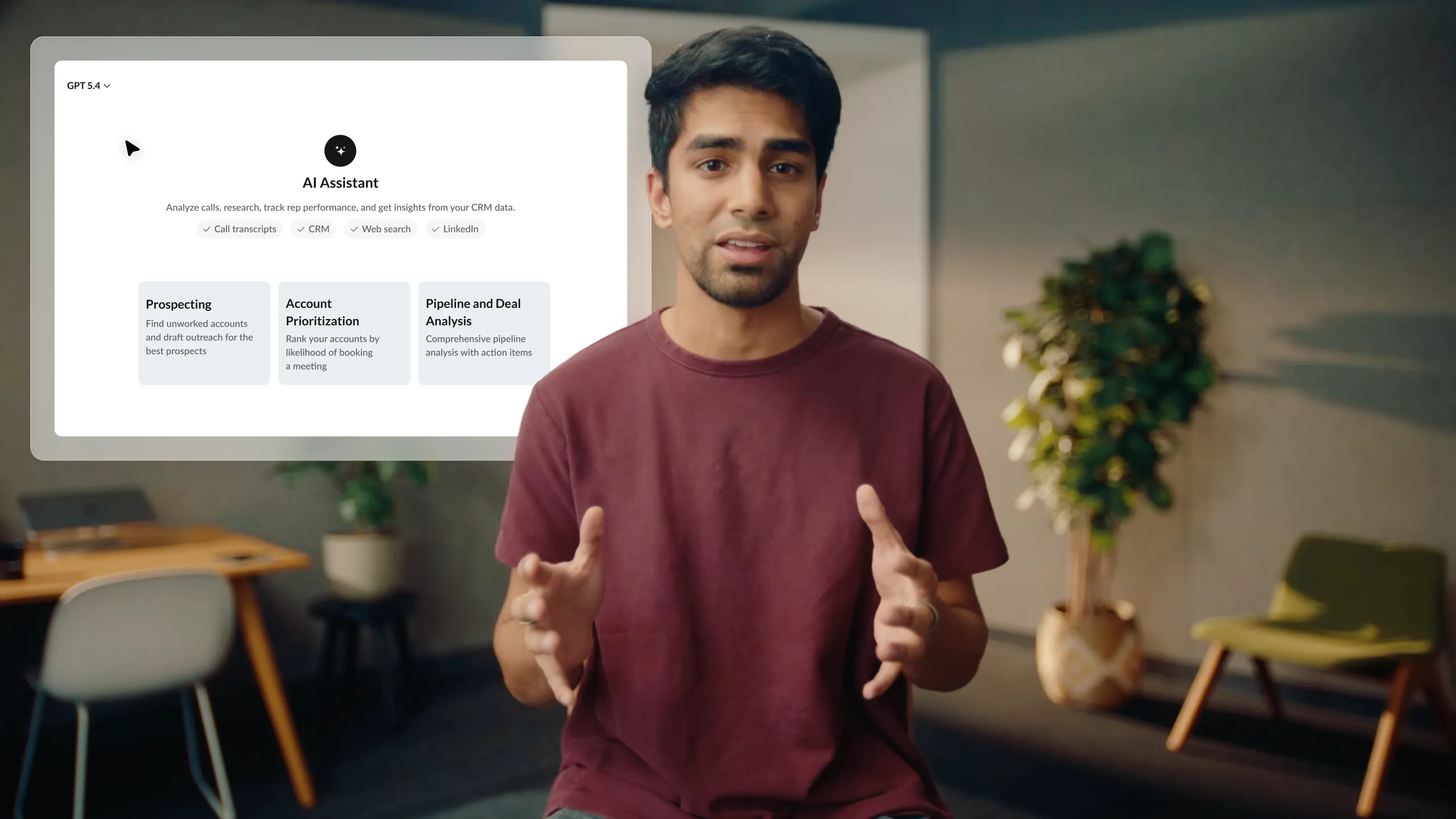
The Nooks AI Dialer is built on this model, with an AI layer that handles the tasks that have historically eaten rep time before and after the call:
- Signal-based prioritization: Surfaces the accounts most likely to answer and convert based on CRM data, buying signals, and engagement history, so reps call the right people instead of the next people on the list
- AI account research: Generates account summaries, talk tracks, and battlecards before each call so reps walk in prepared
- Live battlecards: Trigger automatically when a competitor or objection is named during the call
- Spam protection: Automatic number rotation, carrier registration, and reputation monitoring keep connect rates from degrading over time
- CRM-native sync: Call notes, dispositions, and next steps log back to Salesforce automatically after the call ends, with no secondary database or sync delay
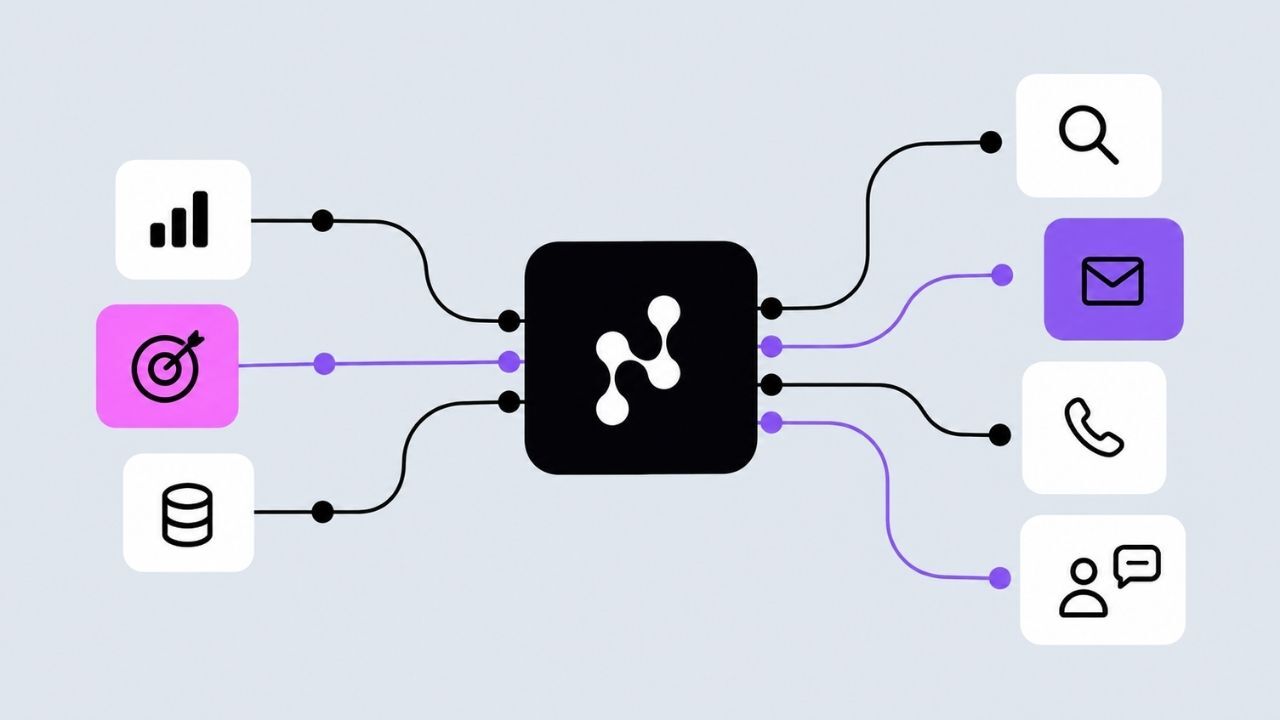
The AI Dialer is one part of the Nooks Agent Workspace for Sales, a single platform where reps also run signal-based sequencing, prospecting, and coaching without switching tools.
The results from teams running this model are specific and attributable. After switching to Nooks, Greenhouse booked 4x more dials and 7x more connects, with a 70% increase in pipeline compared to the same period in the prior year. HubSpot saw a 95% increase in dials and a 50% increase in connect rate per BDR. These are efficiency gains from the same reps, not from adding headcount.
What to Look for in a Sales Dialer
Before you sign, ask five questions about any dialer you're evaluating:
What happens between the dial and the connection? This is where the abandoned call risk lives. Understand exactly how the system handles over-dialing and what the rep experience is when no agent is available. If the answer is vague, dig.
How does it protect number reputation? Connect rates degrade when your numbers get flagged as spam. Ask specifically how the dialer handles number rotation, carrier registration, and reputation monitoring, not whether it does these things, but how.
Is the rep in control of the call initiation? In a rep-controlled parallel dialing model, the human decides when to start the next round of calls. In a fully automated predictive model, the system decides. That distinction matters for both compliance and call quality.
Does it write activity back to your CRM natively? Dialers that store data outside your CRM create duplicate databases, sync delays, and reporting gaps for RevOps. Call activity should write back to Salesforce directly, not to a secondary system that syncs on a delay.
What does AI actually do? "AI dialer" is applied to everything from basic voicemail drop to full signal-based prioritization and live coaching. Ask vendors to be specific: which tasks does AI handle, what inputs does it use, and what does the rep actually see during a call?