What is a Sales Engagement Platform (SEP) & Sales Sequencing in the AI Era?

A sales engagement platform (SEP) is software that helps sales teams manage and automate outreach across email, phone, and social channels. Traditional platforms ran rigid, pre-scheduled sequences. Modern platforms add AI agents that research accounts, enrich data, and draft personalized messaging in the background, and AI sequencing replaces static day-by-day schedules with adaptive workflows that trigger on real buying signals. Reps stay in control of strategy and conversations while AI handles the research and administrative work.
If you asked a Revenue Operations leader to define a Sales Engagement Platform a decade ago, the answer was simple: It is the software your sales team uses to schedule and automate their cold emails and dialing tasks.
For years, platforms like Outreach and Salesloft were the undisputed default tech stack. They brought much-needed structure to a previously manual process, introducing the concept of sales sequencing, or a sales cadence. This was a rigid, multi-day schedule designed to touch a prospect over and over again. Day 1: Send Email. Day 3: Make a Call. Day 5: Send LinkedIn Connection.
At first, this was a revolutionary way to scale activity. But over time, sales and SDR leaders have become deeply disenchanted. Today, in 2026, the legacy definition of a Sales Engagement Platform is officially obsolete.
To understand what sales sequencing actually means today, we have to look at how outbound sales has evolved, why the old tools broke, and why the future belongs to AI workflows that keep reps in the loop.
Key Takeaways
- The legacy Sales Engagement Platform is obsolete. Tools built around rigid, scheduled sequences were designed for a simpler era and can no longer keep up with modern outbound sales.
- Outbound has evolved through three eras: manual, automated, and intelligent. Legacy SEPs scaled volume but killed relevance. The AI era is the first time teams can have both.
- The modern SEP is an AI-powered platform that replaces the task list. Background agents handle research, data enrichment, and draft messaging around the clock, so reps can focus on strategy and conversations instead of manual busywork.
- AI Sequencing replaces static schedules with adaptive workflows. Sequences now trigger based on real buying signals, dynamically reprioritize accounts, and generate unique messaging for every prospect, protecting both email deliverability and phone reputation.
- Reps stay in the loop. AI agents research accounts and draft the first message, and reps review, edit, and send, so the relationship stays with a person.
The Three Eras of Outbound Sales
Outbound pipeline generation has evolved through three distinct eras. Understanding these eras explains exactly why your current SEP is likely failing you.
1. The Manual Era (2000s): High Effort, Low Volume, High Relevance.
Every email was crafted from scratch by a human. Every dial was punched into a desk phone. Because volume was physically capped, relevance was strong. But it was impossible to scale.
2. The Automated Era (2010s): High Volume, Low Relevance.
This was the era of the legacy SEP. Sequencing platforms increased scale drastically. Efficiency improved, but relevance collapsed because automation operated without context. Reps were given a list of 100 email tasks due by 5:00 PM. Discouraged from deeply understanding customer pain, they defaulted to generic templates, automated follow-ups, and bulk sends. Reply rates tanked.
3. The Intelligent Era (Today): High Efficiency AND High Relevance.
AI has crossed a practical threshold. Outbound no longer has to lean on cheap novelty like clever subject lines, sports references, or customized GIFs to get attention. Novelty does not compound, and buyers adapt quickly. The final form of outbound is about depth: showing up prepared, understanding the buying committee, identifying real pain, and proposing thoughtful solutions.
The Problem with Legacy Sequencing Tools
Why can't you just keep your legacy SEP and ask your reps to write better emails? Because the fundamental architecture of older sequencing tools is broken in four ways:
- "Dumb" Sequences in a Dynamic World: Traditional sequences have no concept of an org chart, let alone context from account research or past conversations. They operate in a vacuum, making it impossible to execute a strategic, bottoms-up multi-threading motion.
- AI as a Tacked-On Feature: Legacy tools tried slapping AI features onto their decade-old codebases to help "personalize at scale." But useful AI has to be built from the ground up. A button glued to a legacy workflow does not get there.
- The Fragmented Stack (The "Swivel Chair Tax"): Legacy SEPs were built for simpler times when the CRM was the only source of truth. Today, a modern rep operates across buyer intent signals, contact enrichment providers, LinkedIn, the dialer, and the CRM. The rep becomes the human layer desperately stitching context together across a dozen browser tabs.
- Volume Scaled, but Relevance Didn't: When you force reps to execute 150 tasks a day in a rigid tool, you turn them into human spam cannons.
The Modern Definition: AI Sequencing & The Unified Platform
Today, the definition of a sequence has shifted from a rigid schedule to an adaptive workflow.
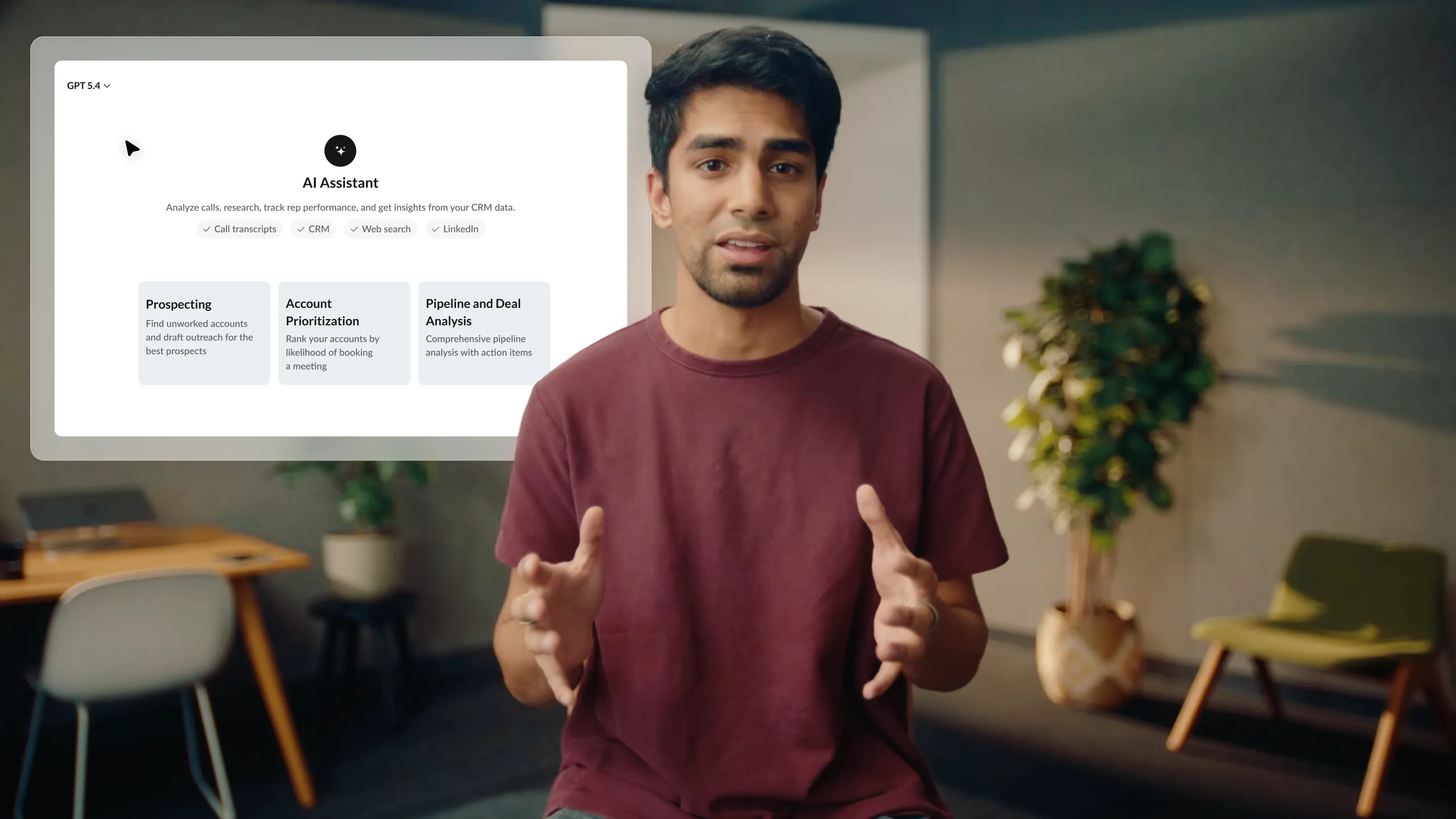
An SEP is no longer a software tool you log into to do manual work. It is a platform where reps manage a fleet of background agents. While your human team sleeps, these digital agents work 24/7. They scrape market signals, enrich data, and draft messaging so your reps can focus on execution and relationship-building.
Modern sales organizations don't use SEPs to blast templates. They use a unified platform to orchestrate intelligent touchpoints based on observable reality. We call this AI Sequencing.
As Nooks CEO Dan Lee puts it: "Signals without action create no value. Actions without signals create noise."
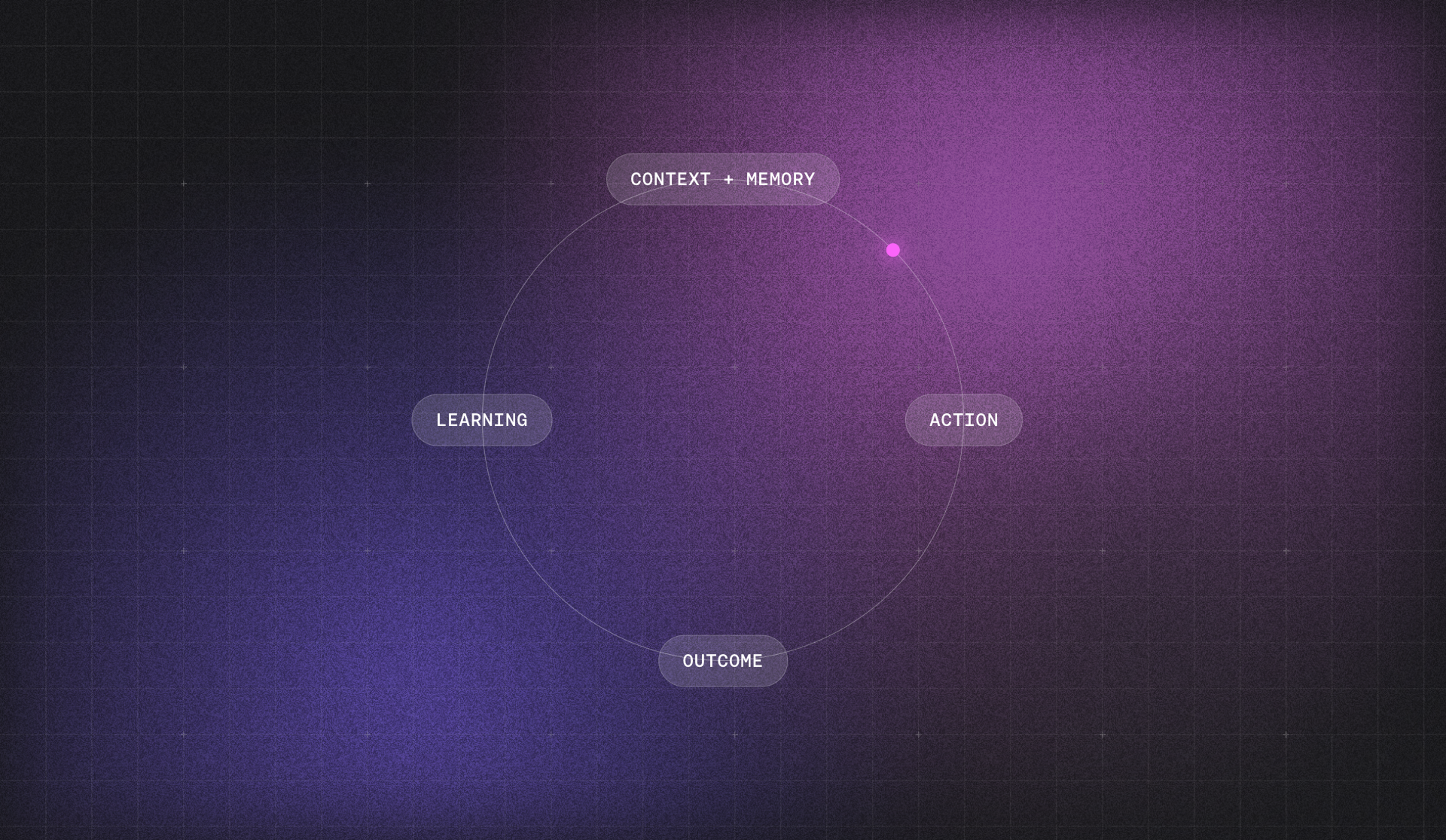
A unified platform brings signals, history, reasoning, and actions into one system. Humans and AI operate from the same memory and improve from the same continuous feedback loop. Here is what that looks like in practice:
1. The Unified Core: SEP + Data + Signals + Dialer
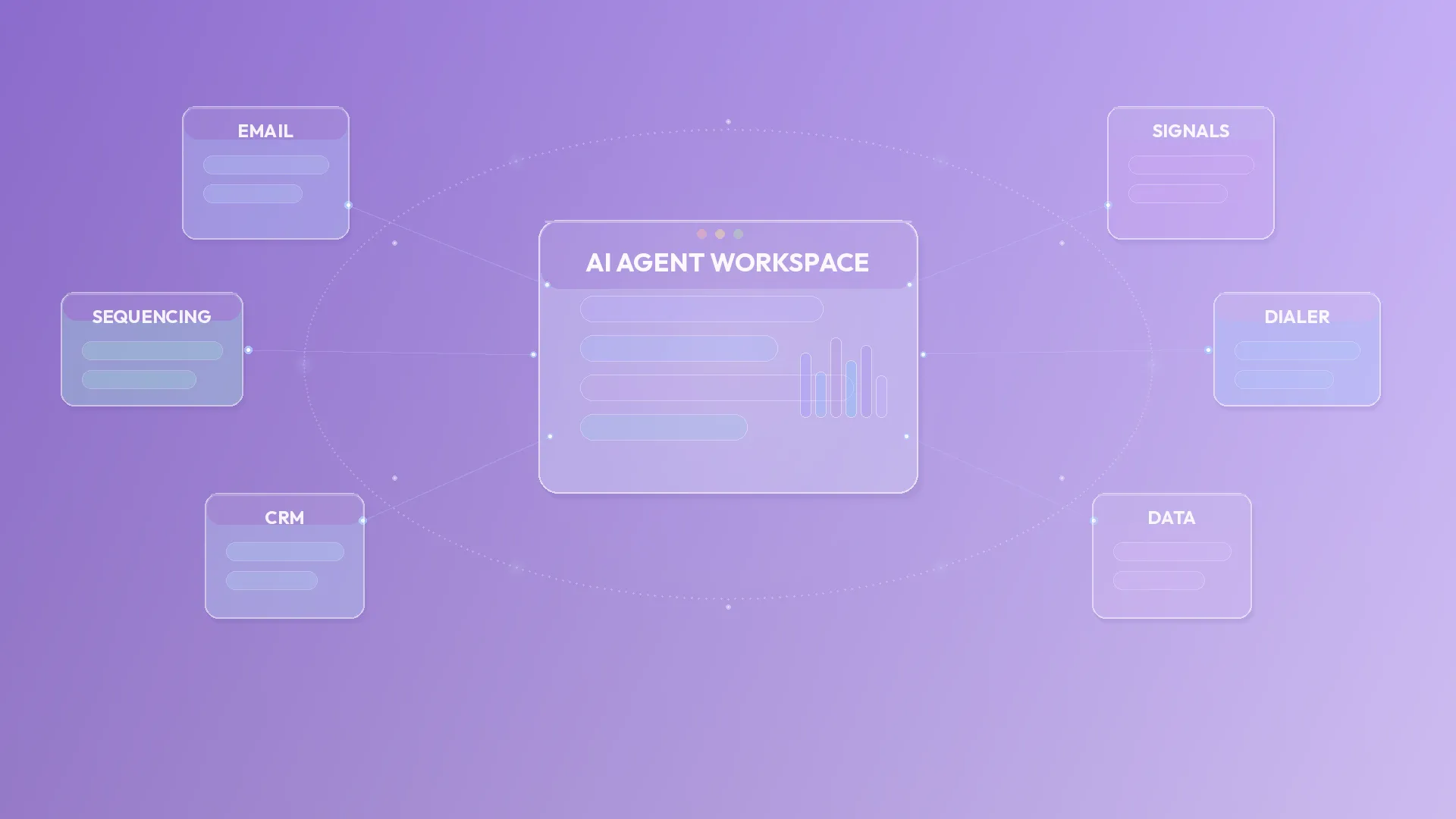
The biggest flaw of legacy outbound is fragmentation. A modern SEP unifies the entire stack into a single pane of glass.
The platform monitors the web for buying signals. When a signal fires, the system automatically uses integrated data providers to waterfall the prospect's mobile number and email. The SEP engine dynamically drafts the messaging and pushes the task to the rep for review. If the task is a call, the rep executes it using a native, high-velocity AI Dialer. Everything feeds into the same brain. And because of continuous feedback loops, that shared brain gets smarter with every call logged and every email sent.
2. Reps as Strategists, Not Writers
In a legacy SEP, personalization meant manually researching a prospect for 15 minutes to write one email. In a modern SEP, the AI background agents conduct deep account research and draft a highly personalized "zero-draft" based on full account context before the rep even logs in.
The human rep’s role shifts fundamentally. They no longer stare at a blank page. They become Editors and Strategists. They manage their background agents by reviewing the AI’s logic and tuning the tone. This creates a continuous feedback loop. Every time a rep edits a sentence to sound less robotic, the AI learns. The next time it drafts an email, it better mimics that specific human tone. The human trains the AI, and the AI elevates the human.
3. Dynamic "Plays" Over Static Sequences
AI Sequencing is fluid. It codifies high-performing strategies into workflows that trigger automatically based on buying signals. If a prospect opens an email three times, the system dynamically reprioritizes that account and pushes them to the top of the dialer queue. If the prospect mentions a competitor on a call, the AI instantly detects it and pops up live battlecards on the screen. The sequence adapts to reality, and the rep decides what to say.
4. Cross-Channel Spam Protection
Legacy SEPs encourage behavior that destroys domain reputations (mass emailing identical templates). Modern AI Sequencing inherently protects your email deliverability because the background agents generate unique, context-driven variations for every prospect.
But protection goes beyond email. A modern platform also protects your voice channel. It actively monitors your telecom health, rotating local phone presences and registering your numbers to ensure your high-volume AI Dialer calls don't get flagged as "Scam Likely" by carriers.
Conclusion: Evolve Your Motion
If your current SEP software simply automates templates and creates a list of manual tasks for your reps to click through, you are stuck in the Automated Era.
What is sales sequencing today? It is the collaboration between human judgment and AI execution.
By upgrading to an AI-powered platform, you stop forcing your SDRs to act like manual data-entry clerks. You automate the research, the data enrichment, and the scheduling. Your team steps into a strategic role where every touchpoint across phone, email, and LinkedIn is relevant, timely, and grounded in real context.
More than 1,800 teams use Nooks.