What is a Sales Agent Workspace? (And Why Your Outbound is Lacking Relevance)

Let’s be honest about the state of modern outbound: It’s not just that reps are busy, it’s that their outreach has lost its punch.
When your sales tech stack forces SDRs to juggle 15 different tools, bouncing between Salesforce, social, intent providers, and legacy email sequencers, something has to give. And what gives is relevance. Reps are forced to rely on generic, one-size-fits-all messaging just to hit their daily activity metrics.
This fragmented "Franken-stack" isn't just a productivity drain; it is actively hurting your buyer experience. The solution isn't to buy another disconnected tool to help reps spam faster. The solution is to consolidate their workflow so they can actually focus on quality.
Enter the Sales Agent Workspace.
What Exactly is a Sales Agent Workspace?
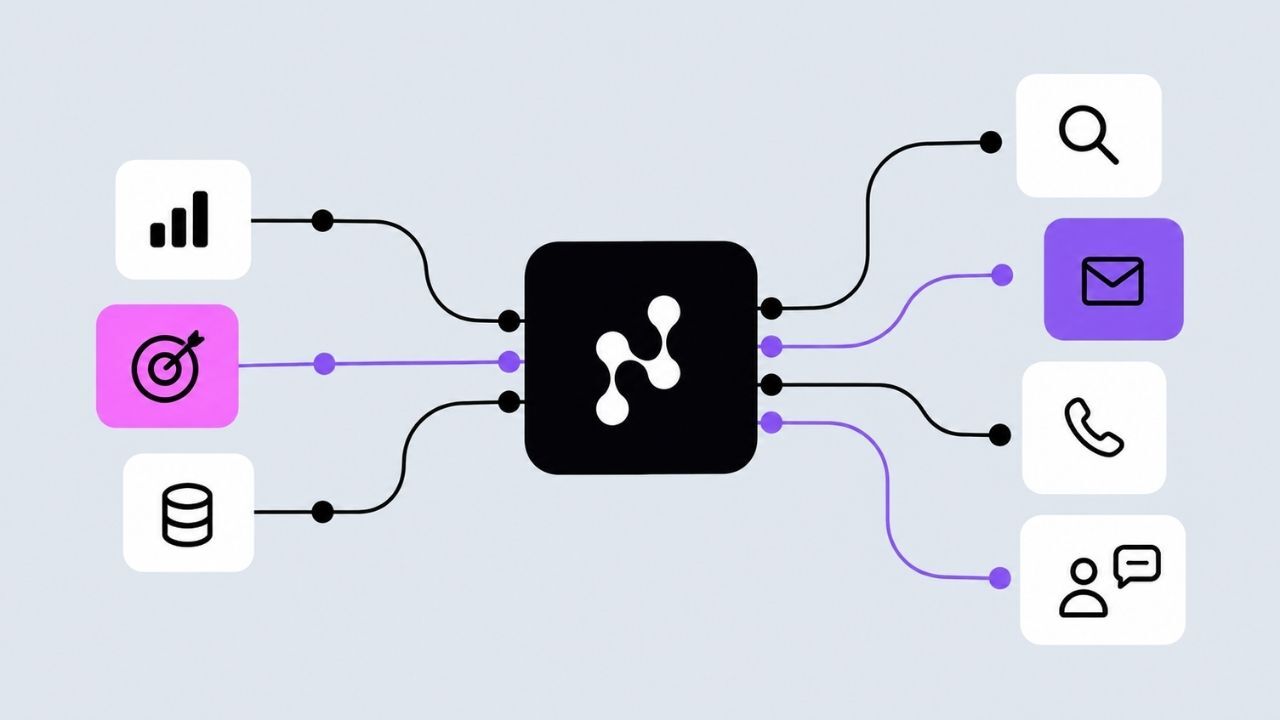
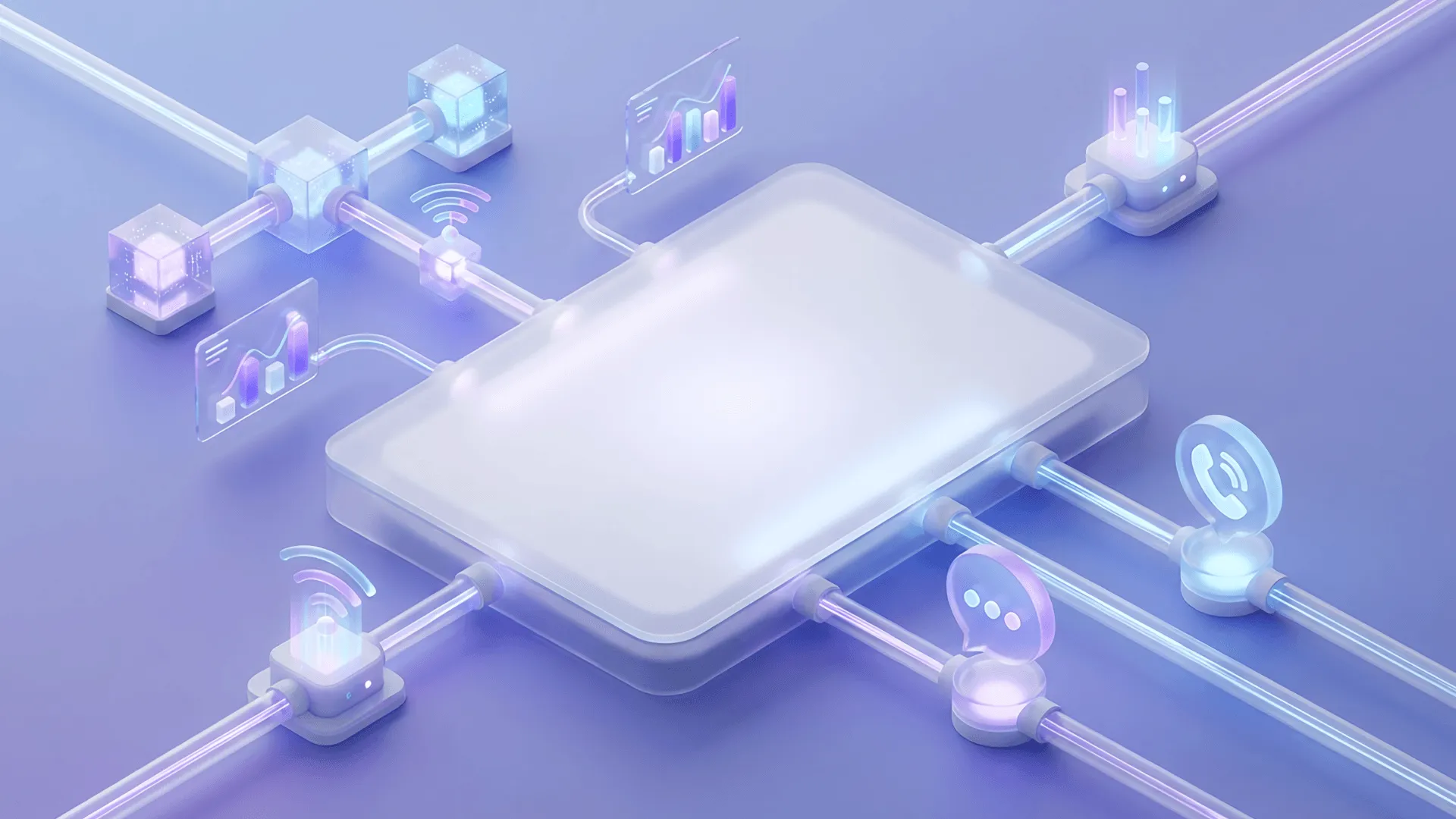
A Sales Agent Workspace is a unified command center designed to close the effectiveness gap by bringing human reps and AI agents together in a single pane of glass.
It is not just another Sales Engagement Platform (SEP) or a standalone parallel dialer. It is a completely new category of sales technology that fuses rich account data, buying signals, omnichannel sequencing, and live execution via intelligent GTM agents into one seamless interface.
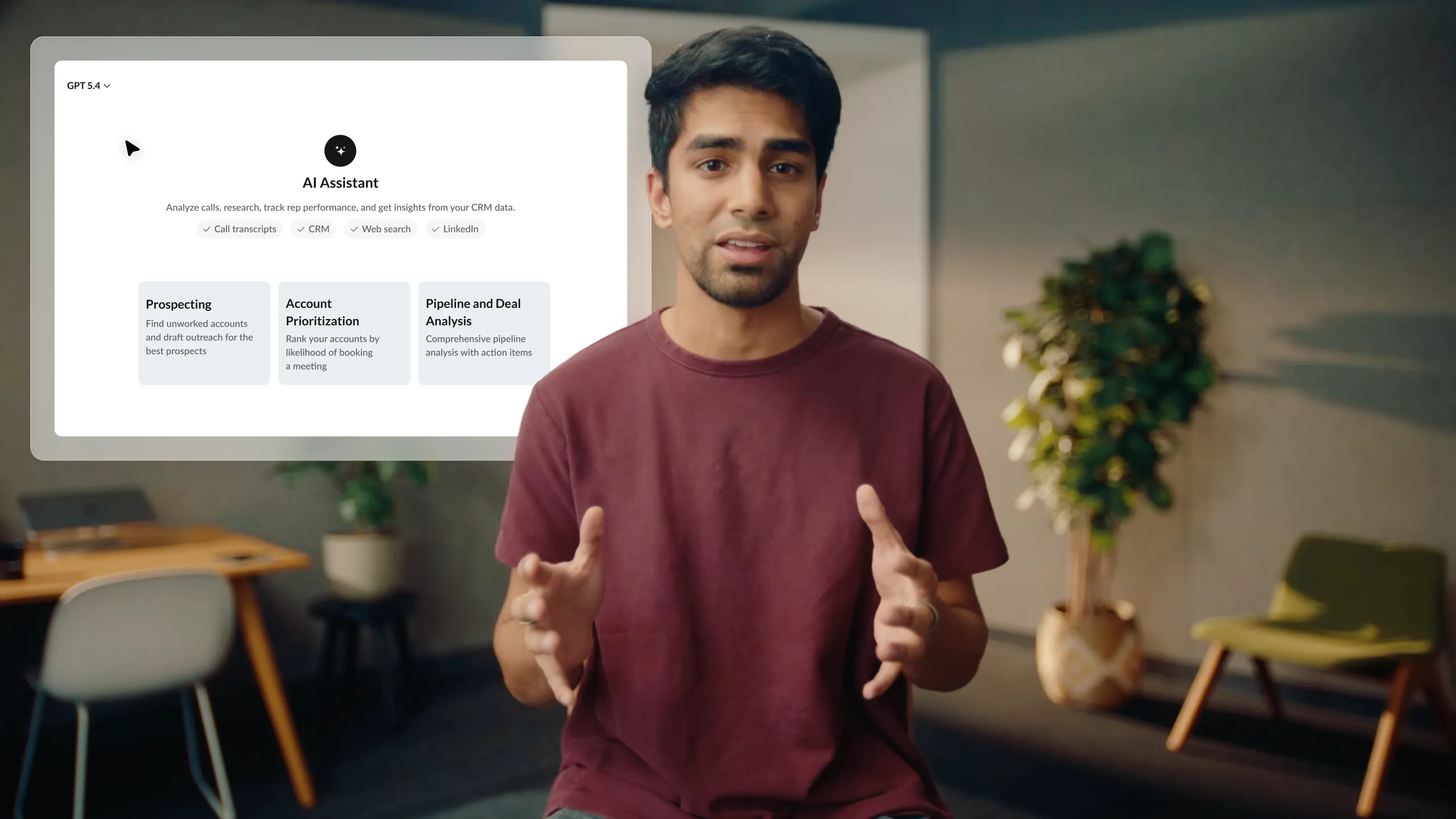
Instead of treating AI as an external chatbot that reps use to write generic copy, a Sales Agent Workspace natively embeds AI to surface deep, actionable context. The AI connects the dots, teeing up the exact reason for outreach, so the human rep can focus entirely on delivering a highly tailored, empathetic message via email, calling, social, and more.
The 3 Core Pillars of a Modern Sales Agent Workspace
To truly elevate the quality of your outbound motion, a Sales Agent Workspace is built on three foundational pillars:
1. Unified Intent Signals (No More Guessing)
In a traditional setup, reps have to cross-reference multiple platforms just to figure out what a prospect cares about. A Sales Agent Workspace automatically surfaces the most critical information, like buyer intent data, recent CRM engagement, or executive job changes. It doesn't just give reps a list of names; it arms them with the exact reason to reach out, ensuring every touchpoint is hyper-relevant.
2. Flawless Omnichannel Follow-Up
The biggest drop-off in outbound effectiveness happens between channels. A rep sends an email, the prospect opens it, but the rep doesn't call them until three days later because their dialer and sequencer don't talk to each other. In a Sales Agent Workspace, reps can seamlessly transition from an email reply directly into a targeted live call with all the account history right in front of them. The context is never lost.
3. Human-in-the-Loop AI
A true workspace doesn't replace the rep; it elevates them. AI handles the heavy lifting of synthesizing account history, drafting baseline personalized emails, and logging call notes. This frees up the human to do what bots cannot: review the message, inject nuance, handle complex objections on the phone, and build genuine trust.
The Problem with Legacy SEPs: The Effectiveness Gap
For years, the B2B playbook was to buy a standalone dialer, a separate data provider, and a legacy SEP, and duct-tape them together.
The result? The Effectiveness Gap.
Because it takes so much manual effort to move data between these systems, reps are fundamentally disincentivized from doing deep personalization. It’s simply too hard to gather context across five tabs for every single prospect. So, they default to volume. They drop hundreds of prospects into automated sequences and hope for the best. Legacy SEPs force reps into a numbers game because true, signal-based personalization is too clunky to execute.
The Business Impact: What Happens When You Consolidate?
When revenue teams transition from a fragmented stack to a unified Sales Agent Workspace, the conversation shifts from how much they are doing to how well they are doing it:
- Higher Conversion Rates: When AI surfaces the right signals and drafts the initial messaging, humans have the time to add the final, hyper-relevant touch. This "Rep Review" step routinely drives 3x to 4x higher email response rates.
- Better Live Engagements: Cold calling changes completely when a rep has the entire history of an account (previous closed-lost notes, recent intent spikes, and past emails) staring them in the face the second the prospect says "hello." Confidence goes up, and conversations get deeper.
- Coaching for Quality, Not Just Quantity: Modern workspaces include features like Virtual Salesfloors and AI call scoring, allowing managers to move away from tracking mere dial counts and start coaching reps on how to actually overcome objections and run better discovery.
The Future of Pipeline is Human-Led AI
The industry made a massive mistake when the AI boom hit: it tried to automate the human connection. It let bots run entire sequences unsupervised, which burned territories and ruined buyer trust.
The winning revenue teams of the future know that AI gives you context, but humans build trust. By adopting a Sales Agent Workspace, you empower your reps to stop playing the volume game and start executing highly relevant, signal-driven outreach that actually converts.