
This is the Ideal SDR Tech Stack for More Pipeline in 2026

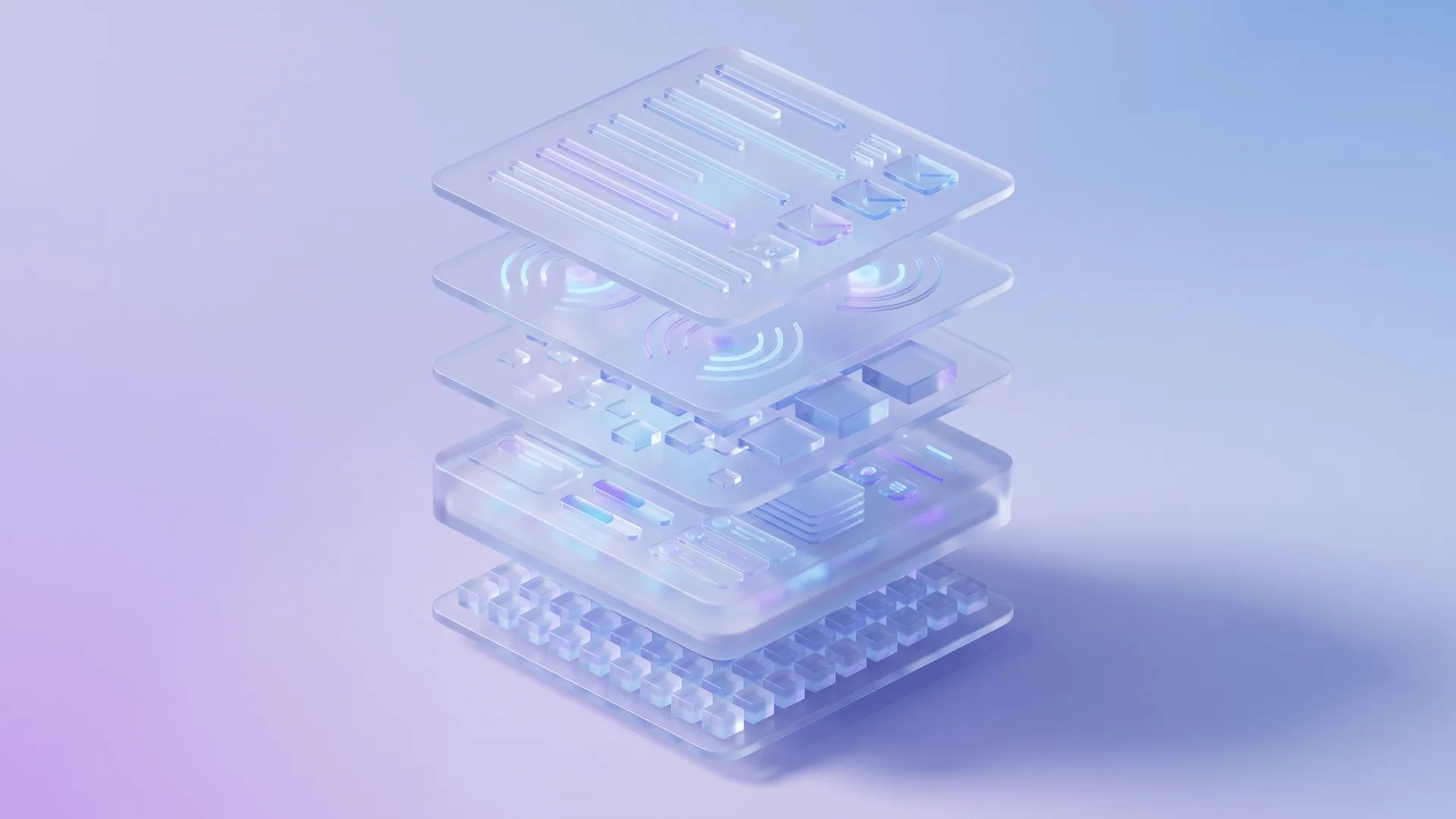
SDRs toggle between 8+ tools daily, losing context and momentum with every switch between their dialer, sequencer, data provider, and CRM. That fragmentation costs pipeline.
Tool sprawl destroys productivity because vendors sell single-purpose tools instead of integrated platforms. But with the right tech stack SDRs can easily research accounts, execute outreach, and track engagement across the full prospecting workflow.
The ideal SDR tech stack in 2026 centers on Nooks as the unified execution platform, with AI agents that work 24/7 across prospecting, sequencing, dialing, and coaching.
Key takeaways
- This guide covers the 5 essential SDR tech stack components: CRM, execution platform, data enrichment, intent signals, and email infrastructure.
- The ideal SDR tech stack consolidates around one execution platform rather than managing separate dialer, sequencer, and prospecting tools.
- Nooks is the unified execution platform and integrates with CRM and data tools to eliminate context switching across outbound workflows.
- CRM must remain the single source of truth; execution platforms that create shadow databases undermine data integrity and reporting accuracy.
- Data enrichment and intent tools supplement the core stack but aren't essential for teams starting to build systematic outbound processes.
- The best SDR tech stacks in 2026 minimize vendor count while maximizing execution capability through AI-powered consolidation and automation.
The 5 essential components of an SDR tech stack
The ideal SDR tech stack balances coverage and simplicity. These five components work together to enable systematic outbound without creating tool sprawl that kills productivity.
1. CRM: System of record
The CRM serves as the single source of truth for accounts, contacts, and opportunities. Every other tool in the stack should defer to CRM data rather than duplicating it.
Why it matters: Without CRM as the foundation, prospect data scatters across disconnected tools. Shadow CRMs cause sync conflicts, reporting gaps, and data integrity issues that force RevOps into constant reconciliation work.
Common tools:
- Salesforce - Enterprise CRM with extensive customization and integration options
- HubSpot - Growth-focused CRM with marketing automation built in
The critical requirement: Your execution platform must write directly to CRM in real-time, not via 24-hour batch sync.
2. Unified execution platform: Core platform for outbound
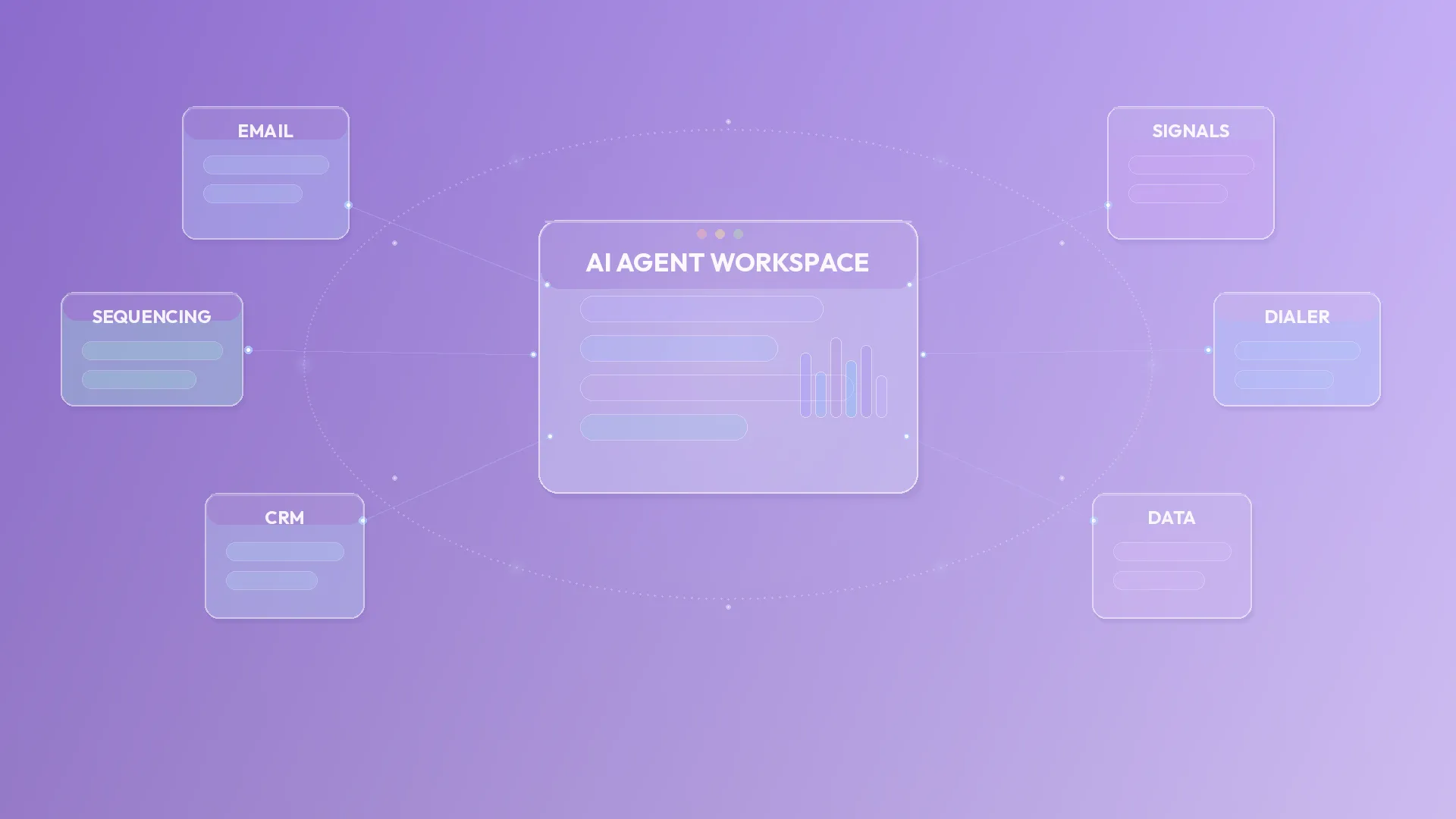
The unified execution platform combines sequencing, dialing, prospecting, and coaching in one interface. It eliminates context switching by giving SDRs everything they need without toggling between multiple applications.
Why it matters: Most productivity loss comes from tool fragmentation. SDRs lose conversation context switching between separate tools. Consolidating execution into one platform reclaims 2+ hours daily.
Nooks as the unified execution platform:
Nooks is an AI-native platform that connects sequencing, dialing, prospecting, and coaching in one place. AI agents custom-trained to think like your best reps work 24/7 to handle research, data enrichment, and sequence execution while human reps focus on conversations.
Key capabilities:
- Bi-directional CRM integration: Eliminates data duplication by syncing activity directly to Salesforce and HubSpot in real-time without maintaining shadow databases
- AI agent execution: Sequences run 24/7 with AI handling research and personalization automatically
- Real-time sync: Activity logs to CRM immediately, not via 24-hour batch updates
- Consolidated workflow: Calls, sequences, prospecting, and coaching in one interface
This consolidates what used to require 3-4 separate vendors (dialer, sequencer, prospecting tool, coaching platform) into one platform.
3. Data enrichment: Fill firmographic and technographic gaps
Data enrichment tools automatically fill missing company information without manual research work. They validate contact details and append fields to CRM records.
Why it matters: CRM data is often incomplete. Better data enables better targeting and personalization while reducing time spent manually researching accounts.
Common tools:
- Apollo - Contact database with firmographic and technographic data
- ZoomInfo - Enterprise contact database with extensive B2B coverage
- Cognism - International contact data with GDPR compliance features
Integration approach: Enrichment tools should feed data to CRM, not create parallel databases. Best when integrated with execution platforms for automatic enrichment as prospects enter workflows.
4. Intent data: Identify in-market accounts (optional)
Intent data tools track which accounts are actively researching vendors. They signal buying intent based on web activity and content consumption.
Why it matters: Timing determines conversion rates. Reaching prospects when they're actively looking increases response compared to cold outreach to accounts showing no signals.
Common tools:
- 6sense - Account-level intent tracking across first-party and third-party signals
- Qualified - Website visitor identification and intent scoring for inbound leads
Who needs this: Most valuable for ABM-focused teams and enterprise sales. Optional for high-volume, broad outreach motions.
Integration: Intent signals can trigger sequences automatically when accounts show activity, creating responsive workflows.
5. Email infrastructure: Maintain deliverability (optional)
Email infrastructure tools warm domains, rotate sending across addresses, and monitor spam placement to maintain inbox delivery rates.
Why it matters: High email volumes trigger spam filters. One bad domain can tank entire campaigns by routing messages to spam folders.
Common tools:
- Instantly - Domain warming and email deliverability optimization
- Warmbox - Automated email warmup and sender reputation management
Who needs this: Teams sending 10,000+ cold emails monthly where deliverability management becomes critical. Most teams with normal volumes don't need dedicated infrastructure initially.
How to build your SDR tech stack without tool sprawl
Start with unified execution, not point solutions.
Begin with a platform that consolidates sequencing, dialing, and prospecting rather than assembling separate tools for each function. Unified execution platforms like Nooks eliminate the integration overhead and context switching that plague multi-tool stacks built from single-purpose products. Add supplementary tools only when the core platform doesn't cover specific needs like deep technographics or intent tracking.
Prioritize CRM-native integrations.
Choose tools that write directly to Salesforce or HubSpot rather than maintaining shadow databases requiring batch synchronization. Bi-directional real-time sync prevents data conflicts, enables real-time reporting, and reduces RevOps maintenance burden created by tools managing parallel prospect records.
Measure stack value by productivity, not features.
Evaluate tools based on time saved and pipeline generated, not feature counts or capabilities lists. The best SDR tech stacks minimize vendor relationships while maximizing execution capability through consolidation and automation. If a tool requires more setup time than it saves through automation, it's adding complexity rather than value to your stack.
Final thought: Build your SDR tech stack around consolidation.
SDR tech stacks only create value when they simplify execution rather than fragmenting it across disconnected tools. Teams treating stack decisions as consolidation opportunities rather than feature comparisons see faster ramp times, cleaner CRM data, and higher SDR productivity through reduced context switching.
Nooks is the unified execution platform that eliminates the need for 3-4 separate vendors by combining sequencing, dialing, prospecting, and coaching in one AI-native platform with bi-directional CRM integration. That consolidation turns tool sprawl into systematic productivity and makes Nooks the core of the ideal SDR tech stack in 2026.