Nooks: The Best Apollo Alternative for Sales Prospecting and Outbound in 2026

Updated April 2026
Apollo is a functional starting point for outbound. But as teams scale, a structural problem emerges: prospecting, sequencing, dialing, and coaching don't share context with each other, leaving reps to coordinate manually across disconnected workflows.
Whether those activities connect and improve over time, or stay isolated tasks reps manage manually, depends entirely on platform choice.
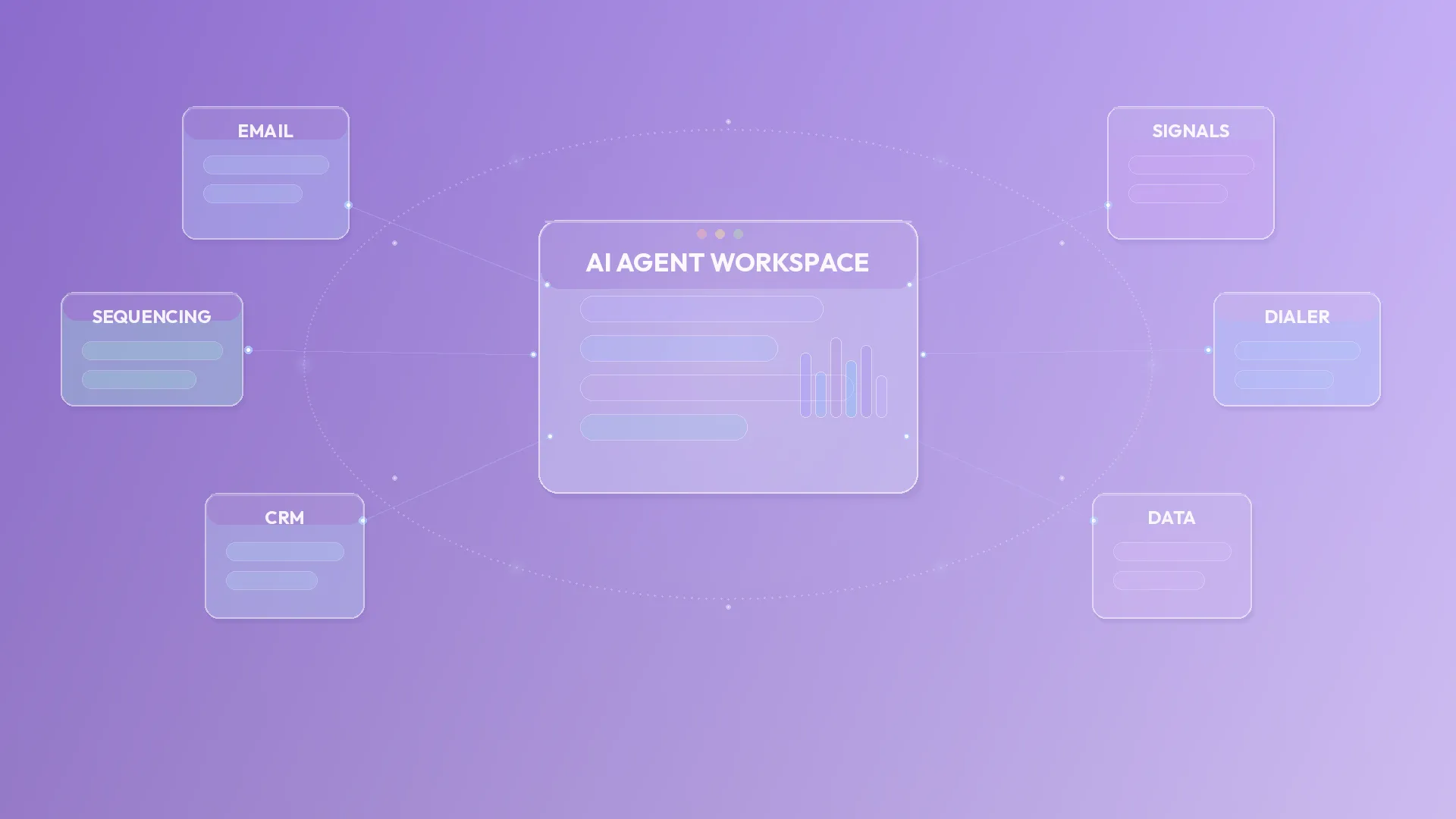
Nooks is an AI-native agent workspace where AI agents work 24/7 across prospecting, sequencing, dialing, and coaching in one unified system, making it the best Apollo alternative for teams that have hit that ceiling.
Key takeaways
- Apollo provides a B2B contact database and basic sequencing but treats dialing and coaching as disconnected workflows
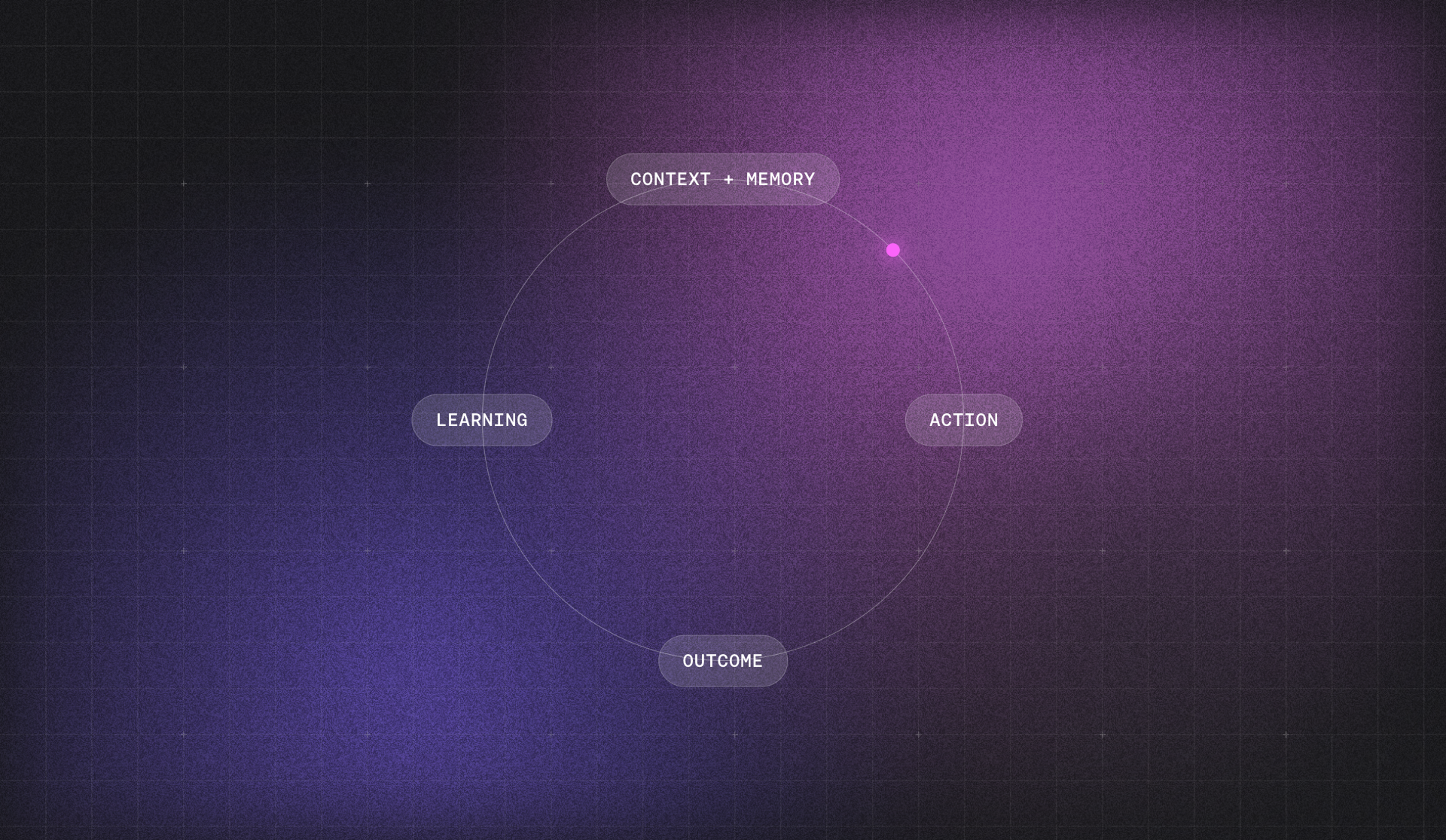
- Sales prospecting and outbound works best when capabilities share context and improve from actual conversation outcomes
- Nooks is an AI-native agent workspace where AI agents connect prospecting, sequencing, dialing, and coaching in real time
- When a call reveals what messaging works, Nooks automatically adjusts prospecting and sequence content for similar prospects
- Apollo is a functional starting point for early-stage teams that need contact data and basic outreach in one platform
- Teams evaluating the best Apollo alternative should prioritize integrated workflows that learn from conversation outcomes
Nooks vs Apollo: Quick comparison
Here's how Nooks and Apollo compare across the core dimensions of sales prospecting and outbound.
Nooks and Apollo: Product overviews
Here's a summary of each platform based on their core design and capabilities.
Nooks
Nooks is an AI-native agent workspace where AI agents work 24/7 across prospecting, sequencing, dialing, and coaching in one unified system. Every capability is connected so insights from one workflow automatically improve the others in real time.
Key strengths:
- AI agents analyze prospect signals and surface high-priority contacts continuously, replacing manual list prioritization
- When email engagement reveals a prospect's intent, AI agents escalate that contact to the dialing queue before the window closes
- Call outcomes connect directly to prospecting and sequencing so each rep's activity informs the team's broader motion
- Coaching is integrated with live execution so managers can see which behaviors drive pipeline and surface those patterns at scale
- AI agents refine sequence content based on actual reply and conversion data, improving the outbound motion with every campaign
Best for: Sales teams scaling outbound that need integrated prospecting, sequencing, dialing, and coaching that continuously improve from conversation outcomes.
Apollo
Apollo is a sales intelligence and engagement platform that combines a B2B contact database with basic sequencing and a built-in dialer in one subscription.
Key strengths:
- 280M+ B2B contacts with filtering across role, industry, company size, and technology stack
- Bundled database, sequencing, and dialer reduces the need for multiple vendor contracts
- Accessible pricing makes it a lower-cost entry point for teams building an initial outbound motion
Best for: Early-stage teams that need contact data and basic outreach capabilities in one platform before scaling.
How does prospecting compare between Nooks and Apollo?
Apollo handles prospecting through a static contact database. Nooks replaces manual list-building with AI agents that continuously surface and prioritize prospects from live buyer signals.
Apollo's database is its strongest capability. Over 280M contacts with filtering across industry, role, company size, and tech stack give teams a starting point without a separate data provider. But it functions as static list infrastructure. It tells reps who exists, not who to contact next.
Nooks AI agents analyze buyer signals, intent data, and engagement patterns to prioritize prospects automatically. When an account shows buying intent, it moves to the top of the queue without a rep having to spot it manually.
For teams that have outgrown building lists by hand, Nooks is the stronger choice.
How does email sequencing compare between Nooks and Apollo?
Apollo sequences run standard cadences. Nooks sequences improve with every campaign based on what's actually working.
Apollo includes multi-step email sequences with basic personalization using contact data. It handles standard cadences but doesn't self-adjust based on how similar prospects have responded before.
Signal-personalized outreach achieves 15–25% reply rates compared to the 3–5% industry average for cold email, a gap that compounds when sequences actively learn from outcomes.
Nooks AI agents refine messaging, timing, and targeting based on what's working across the team. When a prospect clicks a pricing link but doesn't reply, Nooks automatically escalates them to a calling workflow while their interest is high.
Apollo sequences execute. Nooks sequences improve.
How does dialing compare between Nooks and Apollo?
Apollo includes a functional dialer. Nooks connects dialing to every other outbound workflow so call outcomes make the next action smarter.
Apollo's click-to-call VoIP dialer supports local presence and call recording. Reps can call directly from contact records. But call outcomes don't feed back into how prospects are prioritized in sequences afterward.
In Nooks, dialing is connected to sequencing and coaching through AI agents that prioritize dial lists based on engagement across every touchpoint. Sellers who effectively partner with AI tools are 3.7 times more likely to meet quota.
When a call surfaces objections common to a specific segment, that insight flows into coaching focus and prospecting criteria for the next round, without a manager having to manually redistribute the learning.
How does AI compare between Nooks and Apollo?
Apollo's AI speeds up individual tasks. Nooks' AI improves the entire outbound motion based on what's actually driving outcomes.
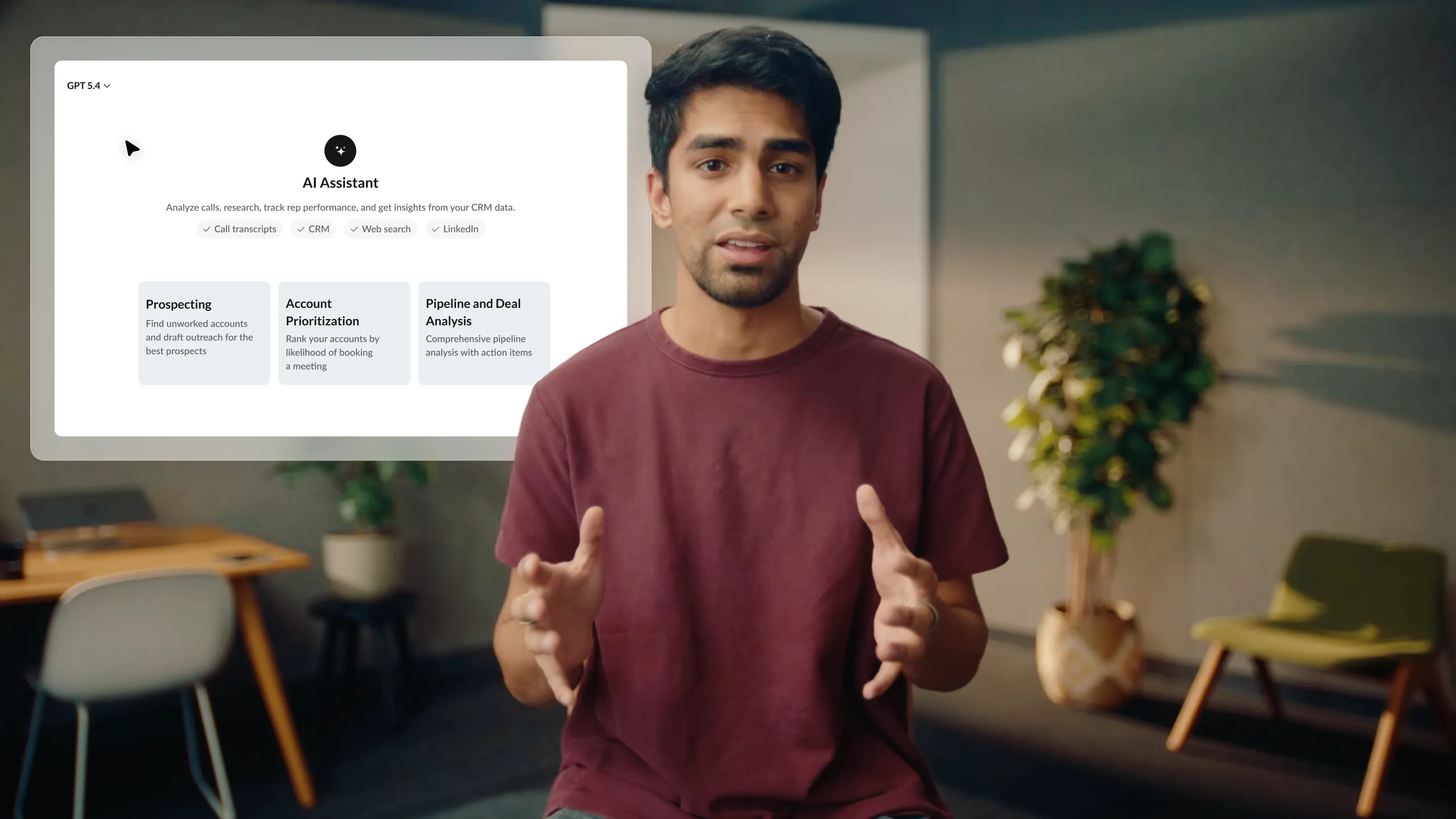
Apollo offers AI email writing and a chat-based assistant that answers account-level questions. These features help individual reps move faster, but they don't learn from performance data or adjust the platform's behavior over time.
81% of sales teams have implemented or are experimenting with AI, and the teams seeing the largest gains use AI that improves from outcomes rather than just automating tasks.
Nooks AI agents analyze context across prospecting, sequencing, dialing, and coaching to continuously refine performance. When email engagement, call outcomes, and coaching observations connect in one system, each action makes the next one smarter.
How does reporting compare between Nooks and Apollo?
Apollo reporting shows what reps are doing. Nooks reporting shows what's driving pipeline.
Apollo's embedded dashboards cover sequence analytics, email engagement, and dialer performance. They're useful for tracking volume and spotting where sequences drop off. But activity data and outcome data don't connect across channels, which makes it hard to see which combinations of outreach are actually generating meetings.
Nooks reporting connects outcomes across every workflow. When a specific sequence paired with a specific calling approach generates booked meetings, that combination surfaces as an insight.
Coaching observations link to outcome data so managers can see which behaviors correlate with pipeline created, not just which behaviors are happening most.
How to evaluate sales prospecting and outbound platforms
Finding the best Apollo alternative requires looking beyond feature lists. The structural design of a platform determines whether capabilities compound over time or stay flat as the team scales.
Assess whether workflows share context.
Ask vendors how insights move between prospecting, sequencing, dialing, and coaching. When a call reveals messaging that resonates, does that automatically inform how similar prospects are sequenced next week? Platforms that can't answer this concretely are likely operating as isolated tools under one login.
Test AI for continuous improvement.
Distinguish between AI that automates tasks and AI that learns from outcomes. Ask for a demo showing how the platform adjusts prospecting priorities or sequence content based on actual performance data over time. Static AI becomes a ceiling as outbound scales.
Verify coaching connects to execution.
Ask how coaching observations translate into workflow changes. Platforms where coaching lives in a separate review environment, disconnected from prospecting and sequencing, require manual translation by managers that rarely happens consistently at scale.
Confirm reporting shows what drives pipeline.
Ask vendors to show reports connecting specific activities to booked meetings or pipeline created. Platforms that only surface activity volume make optimization a guessing game.
Final thought
While Apollo serves teams that need an entry point into sales prospecting and outbound, scaling an outbound motion requires capabilities that connect and improve from outcomes rather than just providing a place to execute them.
Nooks is the best Apollo alternative for sales teams that have outgrown disconnected workflows. Its AI agents work 24/7 across prospecting, sequencing, dialing, and coaching so every action feeds the next one.
When a call uncovers what resonates with a persona, Nooks adjusts prospecting criteria and sequence content for similar prospects automatically. For sales leaders who need their outbound motion to compound over time, Nooks turns isolated activities into an intelligent system that keeps getting better.
Frequently asked questions
What is sales prospecting and outbound?
Sales prospecting and outbound is the process of identifying, researching, and engaging potential buyers to build pipeline across email, phone, and targeted account research. Effective outbound requires coordinating activities based on what resonates with specific prospects. Platforms like Nooks integrate AI agents to continuously improve outreach based on actual outcomes rather than static configuration.
How does Nooks compare to Apollo?
Nooks differs from Apollo by operating as an AI-native agent workspace where AI agents work 24/7 across prospecting, sequencing, dialing, and coaching in one system. When a prospect engages with a sequence, Nooks escalates them on the dial list while intent is high. Apollo centers on contact data but treats each workflow separately, while Nooks connects every action to improve performance continuously based on outcomes.
Why do teams switch from Apollo to Nooks?
Teams switch from Apollo to Nooks when they outgrow manual coordination between prospecting, sequencing, dialing, and coaching as their outbound motion scales. Apollo requires reps to bridge the gap between channels manually, which gets harder as volume grows. Teams switch when call intel and sequence performance need to automatically inform next-day priorities without manager reviews.
Does Nooks have a B2B contact database like Apollo?
Nooks focuses on the execution and intelligence layer of sales prospecting and outbound rather than a standalone database. AI agents surface prospects using buyer signals and engagement patterns in real time, integrating with existing data sources and CRM systems. Teams bring their data providers into the Nooks workspace and gain the AI layer that activates that data for outbound.
How hard is it to switch from Apollo to Nooks?
Switching from Apollo to Nooks is straightforward for most teams, with implementation support to get reps active quickly. The primary adjustment is moving from manually coordinating across channels to letting AI agents surface priorities automatically. Most teams report the largest shift is trusting AI-driven prioritization over managed lists, which becomes natural as coordination overhead reduces.
When should I choose Nooks over Apollo?
Nooks is the right choice when your team needs sales prospecting and outbound workflows that connect and improve from outcomes rather than executing outreach at volume. If reps spend meaningful time manually deciding who to call after sending sequences, or rebuilding prospecting lists based on call intel, Nooks addresses those gaps structurally rather than individual effort.