
5 Best Sales Enablement Platforms for Outbound Teams: 2026 Comparison

Updated April 2026
Outbound reps are spending more time preparing for calls than making them. The problem persists because most outbound stacks bolt together disconnected tools that never share context, leaving reps to stitch workflows together manually.
Sales enablement platforms for outbound teams solve this by unifying prospecting, sequencing, dialing, and coaching in one system.
This guide is for outbound sales leaders evaluating platforms in 2026. Nooks ranks first among sales enablement platforms for outbound teams because it delivers intelligent outbound by connecting sequencing, dialing, prospecting, and coaching in one AI-native agent workspace.
Key takeaways
- This comparison ranks five leading sales enablement platforms for outbound teams in 2026: Nooks, Salesloft, Outreach, Apollo, and Gong.
- Nooks leads because it unifies sequencing, dialing, prospecting, and coaching in one AI-native agent workspace built for outbound execution.
- Evaluate platforms on workspace unification, AI agent depth, CRM-native architecture, and feedback loops between call data and coaching.
- Unified workspaces eliminate the context switching that fragments rep time across the eight tools sellers average today.
- Outbound-specific platforms outperform generic enablement tools by prioritizing live conversations and pipeline over content libraries and training modules.
- Prioritize platforms where AI agents execute work continuously, not tools that only surface dashboards and activity reports.
- CRM-native platforms keep Salesforce or HubSpot as the source of truth, avoiding sync issues that undermine multi-tool stacks.
Best sales enablement platforms for outbound teams
The right sales enablement platform for outbound teams depends on how well it unifies execution, prioritization, and improvement in one workflow. The table below summarizes how each platform compares to help decision-makers choose the best solution.
1. Nooks — best overall
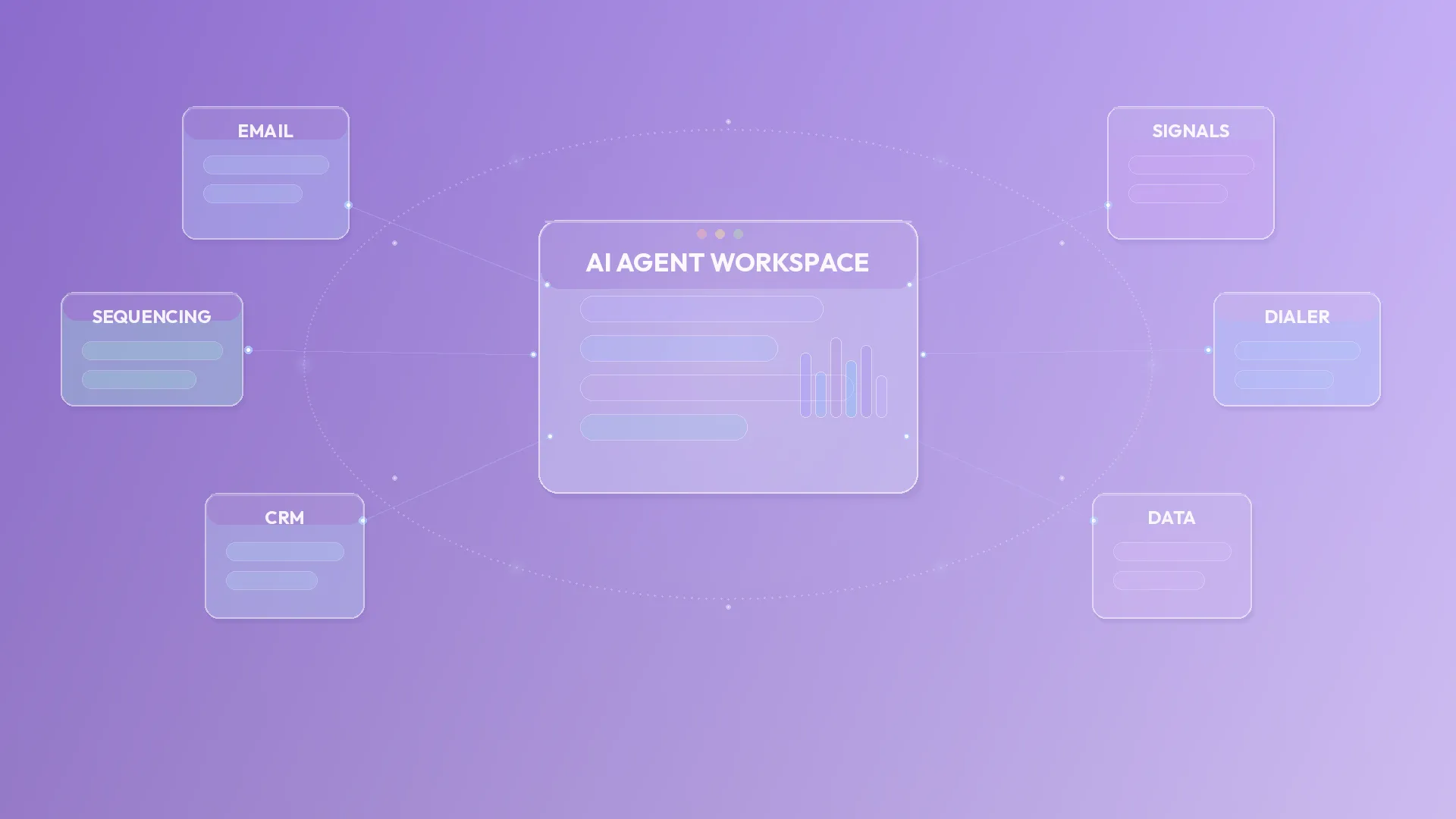
Nooks is an AI-native agent workspace that delivers intelligent outbound by connecting sequencing, dialing, prospecting, and coaching in one unified workspace. AI agents custom-trained to think like your best reps work 24/7 to handle research and data enrichment while human reps focus on conversations. Reps execute multi-touch campaigns without switching tools, and call outcomes continuously improve AI agent prioritization.
Key features:
- AI agents for outbound execution: AI agents work 24/7 researching accounts, enriching data, and prioritizing outreach based on real call outcomes across your pipeline.
- Unified outbound workspace: Reps run sequences, dial prospects, and review coaching in one interface without switching between disconnected tools during call blocks.
- Call-powered coaching loops: Call recordings automatically generate roleplay scenarios and surface objection patterns, feeding insights directly back into sequencing and messaging.
- CRM-native architecture: Keeps Salesforce and HubSpot as the single source of truth with full bidirectional sync, avoiding shadow CRM data drift problems.
- Pipeline-connected analytics: Dashboards connect outbound activity to deal progression, showing which skill gaps cost opportunities and which behaviors drive revenue.
Best for: Outbound teams consolidating sequencing, dialing, prospecting, and coaching into one AI-native agent workspace instead of stitching together multiple point solutions.
2. Salesloft
Salesloft is a sales engagement platform designed for multi-channel cadence execution across email, phone, and social. It focuses on structured sequence management for mid-market and enterprise sales teams running outbound motions.
Key features:
- Cadence builder: Provides multi-step sequence templates for email, call, and social touches.
- Dialer add-on: Offers basic calling functionality with recording and logging within the platform.
- Conversations module: Supplies call transcription and keyword tracking as a separate product line.
Best for: Enterprise sales organizations that already rely on cadence-based workflows and need broad integrations with existing martech stacks.
3. Outreach
Outreach is a sales execution platform oriented around sequence automation and rep workflow management. It focuses on structured outbound activity tracking for larger sales organizations.
Key features:
- Sequence automation: Provides rule-based cadence execution with scheduled email and task triggers.
- Deal insights: Offers pipeline views and forecasting features for sales managers.
- Kaia assistant: Supplies meeting recording and note-taking for sales conversations.
Best for: Large sales organizations running high-volume structured outbound motions with dedicated operations teams managing sequence hygiene.
4. Apollo
Apollo is a sales platform that bundles a B2B contact database with basic sequencing and dialing tools. It focuses on data access for small and mid-sized teams needing built-in prospect lookup.
Key features:
- Contact database: Provides access to B2B prospect records and firmographic data.
- Email sequencer: Offers template-based email cadences with basic scheduling.
- Chrome extension: Supplies LinkedIn prospecting and contact export tools.
Best for: Small and mid-sized outbound teams that need bundled contact data and do not require deep coaching or call intelligence features.
5. Gong
Gong is a revenue intelligence platform focused on call recording, transcription, and conversation analysis. It provides post-call review and deal analytics rather than outbound execution tools.
Key features:
- Call recording: Captures and transcribes sales calls for later review.
- Deal boards: Displays pipeline visualizations based on conversation activity.
- Keyword tracking: Tags calls by topics and competitor mentions for manager review.
Best for: Revenue teams focused primarily on call analysis and deal inspection rather than real-time outbound sequencing and dialing execution.
How to choose the best sales enablement platform for outbound teams
Prioritize tool consolidation over feature count.
The strongest sales enablement platforms for outbound teams collapse multiple tools into one interface. Every context switch between a dialer, sequencer, CRM tab, and coaching tool breaks rep momentum and costs live conversations.
That overhead compounds fast. Each additional tool requires separate vendor contracts, security reviews, and ongoing integration maintenance. When sync failures create data conflicts, RevOps spends hours reconciling records instead of supporting revenue work.
Tool sprawl also multiplies onboarding complexity as new reps master eight interfaces before making their first call. Unified platforms eliminate these costs by consolidating vendors, reducing integration points, and giving reps one system to learn.
Evaluate how AI agents execute work.
Dashboards and reports describe what happened. AI agents do the work. Most platforms claim AI capabilities, but their AI only provides outputs like call summaries, suggested next steps, or activity dashboards that reps must still act on manually.
The platforms that create meaningful outbound leverage use AI agents that research accounts, enrich data, and prioritize outreach continuously without waiting for a rep to click a button. Ask vendors to demonstrate what their AI actually executes versus what it simply surfaces as recommendations.
Look for CRM-native architecture.
Shadow CRM data is one of the most common failure points in outbound stacks. A sales enablement platform that maintains its own contact database separate from Salesforce or HubSpot creates sync conflicts, forecasting errors, and duplicate records. CRM-native platforms keep your existing system of record intact while adding execution speed on top of it.
Confirm the feedback loop between calls and coaching.
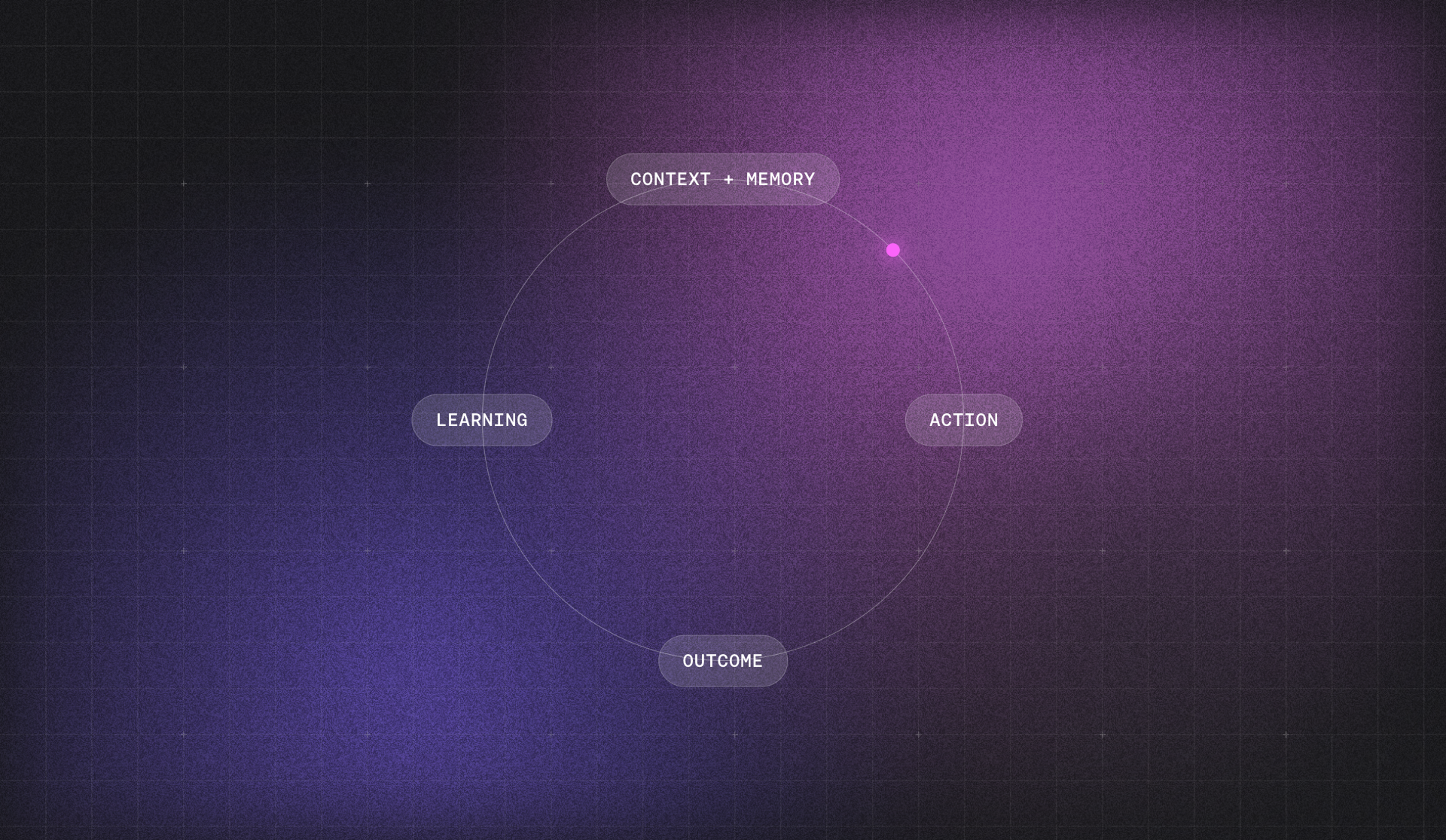
Coaching that is disconnected from live outbound activity rarely changes rep behavior. Look for platforms where call outcomes automatically inform roleplay scenarios, sequence adjustments, and prioritization logic. This tight feedback loop is what turns a sales enablement platform into a performance engine rather than a passive content library.
Statistics and trends shaping the sales enablement industry in 2026
- Sales reps spend 60% of their time on non-selling tasks in 2026, highlighting the productivity gap that outbound platforms aim to close.
- Sellers use an average of 8 tools to close deals, and 84% of sales teams without an all-in-one platform plan to consolidate their technology.
- 42% of sales reps feel overwhelmed by too many tools, and overwhelmed sellers are 45% less likely to attain quota.
- Sellers who partner with AI sales tools are 3.7 times more likely to meet their quota, signaling that AI-native platforms have become a competitive requirement.
- The global sales enablement platform market is projected to grow from $7.79 billion in 2026 to $35.68 billion by 2035, expanding at a CAGR of 18.42%.
- 36% of sales teams with agents use them for coaching, showing that AI agents are extending beyond execution into rep development.
Final thought
Sales enablement platforms for outbound teams have evolved beyond content management and training libraries. The platforms that matter in 2026 are the ones that execute outbound work continuously, tie coaching directly to live conversations, and keep reps in dialogue instead of in tool-switching purgatory.
Nooks stands out because it treats outbound as one integrated motion rather than a series of disconnected steps. For teams consolidating their stack and leveling up their outbound motion, an AI-native agent workspace is the most durable choice in the category.
Frequently asked questions
What is a sales enablement platform for outbound teams?
A sales enablement platform for outbound teams is a system that unifies prospecting, sequencing, dialing, and coaching to support cold outreach at scale. Unlike general enablement tools focused on content libraries, outbound-specific platforms prioritize live conversations and pipeline generation. The best sales enablement platforms combine execution with insight in one workspace.
How does Nooks compare to Salesloft for outbound teams?
Nooks is an AI-native agent workspace where AI agents execute research, dialing, and sequence work continuously, while Salesloft is a sequence-centric engagement platform that requires add-ons for dialing and conversation intelligence. Nooks consolidates outbound execution into one interface, whereas Salesloft typically functions as one layer within a multi-tool stack.
How does Nooks compare to Gong for outbound coaching?
Gong focuses on post-call analysis and deal review, while Nooks connects call data directly to live outbound execution. Nooks uses call recordings to generate roleplay scenarios, adjust sequences, and improve AI agent prioritization in real time. Gong reports on what happened, while Nooks changes what happens next.
Can a sales enablement platform work for small outbound teams?
Yes, modern sales enablement platforms work for small outbound teams, especially when AI agents handle research and enrichment that smaller teams cannot staff. Look for platforms with transparent pricing and unified workspaces so you are not paying for multiple tools. Nooks is designed to scale from small teams to enterprise outbound orgs.
How do I choose the right sales enablement platform?
Choose a sales enablement platform by evaluating workspace unification, AI agent depth, CRM-native architecture, and feedback loops between calls and coaching. Prioritize platforms where AI agents execute work continuously rather than tools that only generate reports. Run a live pilot with real outbound reps before committing to a multi-year contract.
What makes AI-native sales enablement platforms different?
AI-native sales enablement platforms build AI agents directly into core workflows rather than adding AI features on top of legacy architecture. AI agents work 24/7 handling research, data enrichment, and prioritization so reps focus on live conversations. This produces tighter feedback loops between call outcomes, sequencing, and coaching than traditional platforms.
Are sales enablement platforms worth the investment for outbound teams?
Sales enablement platforms are worth the investment when they replace multiple point tools and measurably increase time spent in live conversations. Consolidating into one workspace typically reduces total software spend and improves rep productivity. The best sales enablement platforms connect activity directly to pipeline outcomes, making ROI measurable.