How to Move from Manual to Intelligent Outbound: A Practical Guide for 2026

Reps at most B2B companies spend the majority of their day on research, email writing, and call logging rather than live conversations that move deals forward. More headcount and more tools haven't closed that gap.
The root cause is fragmentation. Intelligent outbound, the practice of deploying AI agents to research, personalize, and execute outreach from a unified workspace, replaces disconnected effort with a system where every action feeds the next.
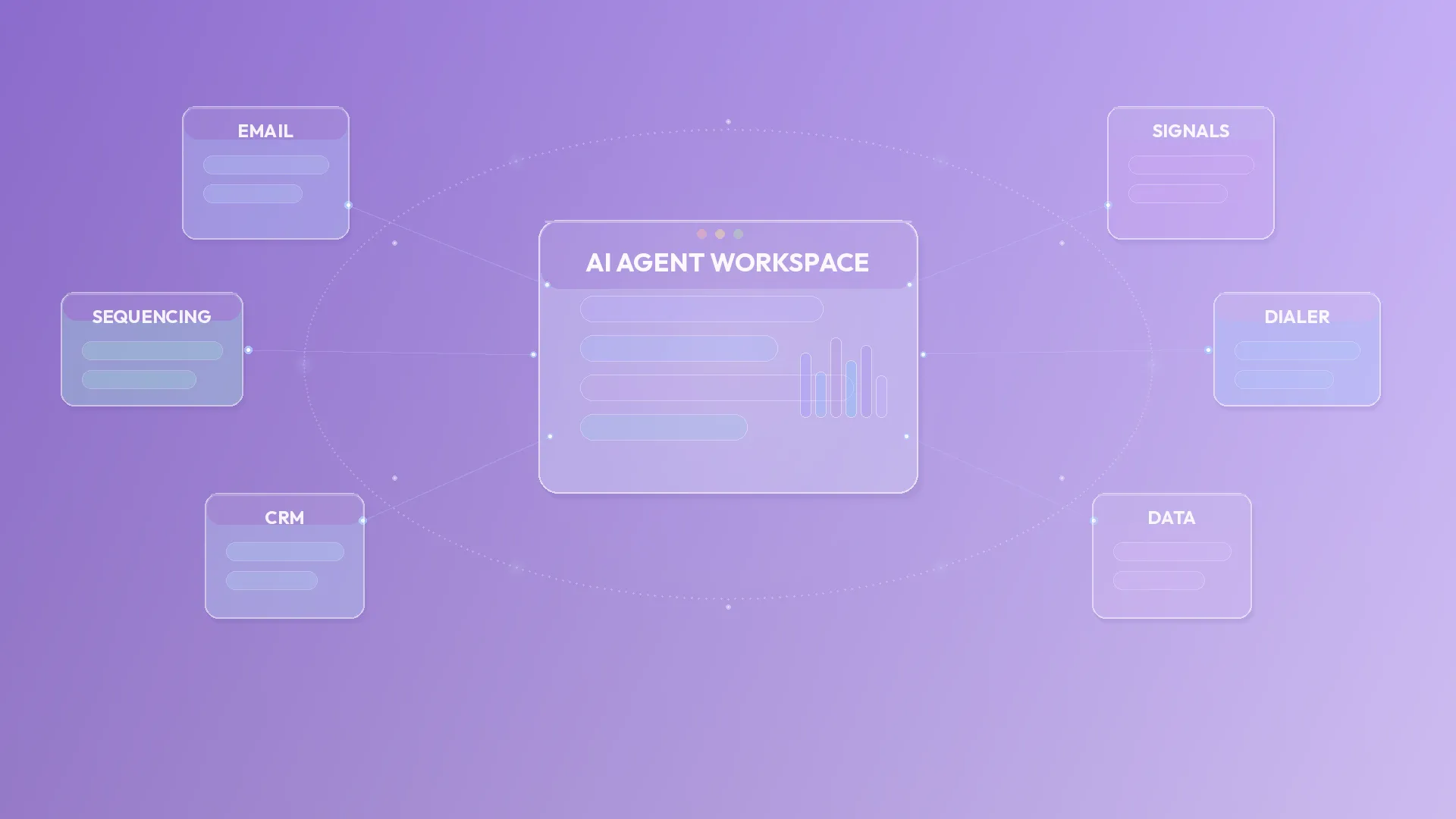
This guide walks sales leaders through making that transition, built around the platform that makes it most complete. Nooks is the AI-native agent workspace that unifies prospecting, sequencing, dialing, and coaching in one continuously improving system. Below, we also compare Nooks against the tools most commonly evaluated alongside it, so you can see where each fits before you commit to a stack.
At a glance: the outbound tool landscape for 2026
Before you redesign a process, it helps to know which tools actually lead on each channel. The table below reflects how teams typically deploy tools today, with metrics framed as directional ranges rather than guarantees.
Nooks earns its place on this table for phone and multichannel orchestration specifically because it's built to connect calling data to email and social touches, not just to dial faster. For a deeper breakdown of how sequencing platforms stack up feature-by-feature, see the sales engagement comparison page.
Key Takeaways
- Manual outbound fails in 2026 because fragmented tools prevent AI-driven feedback loops from forming.
- Intelligent outbound deploys AI agents that continuously improve targeting, messaging, and outreach prioritization.
- Moving from manual to intelligent outbound means replacing disconnected tool stacks, not just adding automation.
- Nooks' AI agents connect signals across sequencing, dialing, and coaching to continuously improve pipeline performance.
- Successful transitions measure pipeline created and meetings booked, not emails sent or dials logged.
- The right tool differs by channel: parallel dialers win on phone, sequencers win on email cadence, and unified platforms win on cross-channel orchestration.
What makes intelligent outbound effective in 2026?
Intelligent outbound works when every action feeds measurable insight back into the next decision, so messaging, targeting, and timing improve continuously. According to Gartner, 60% of B2B sales organizations will transition from experience-based to data-driven selling by 2026, and manual-first teams will fall further behind.
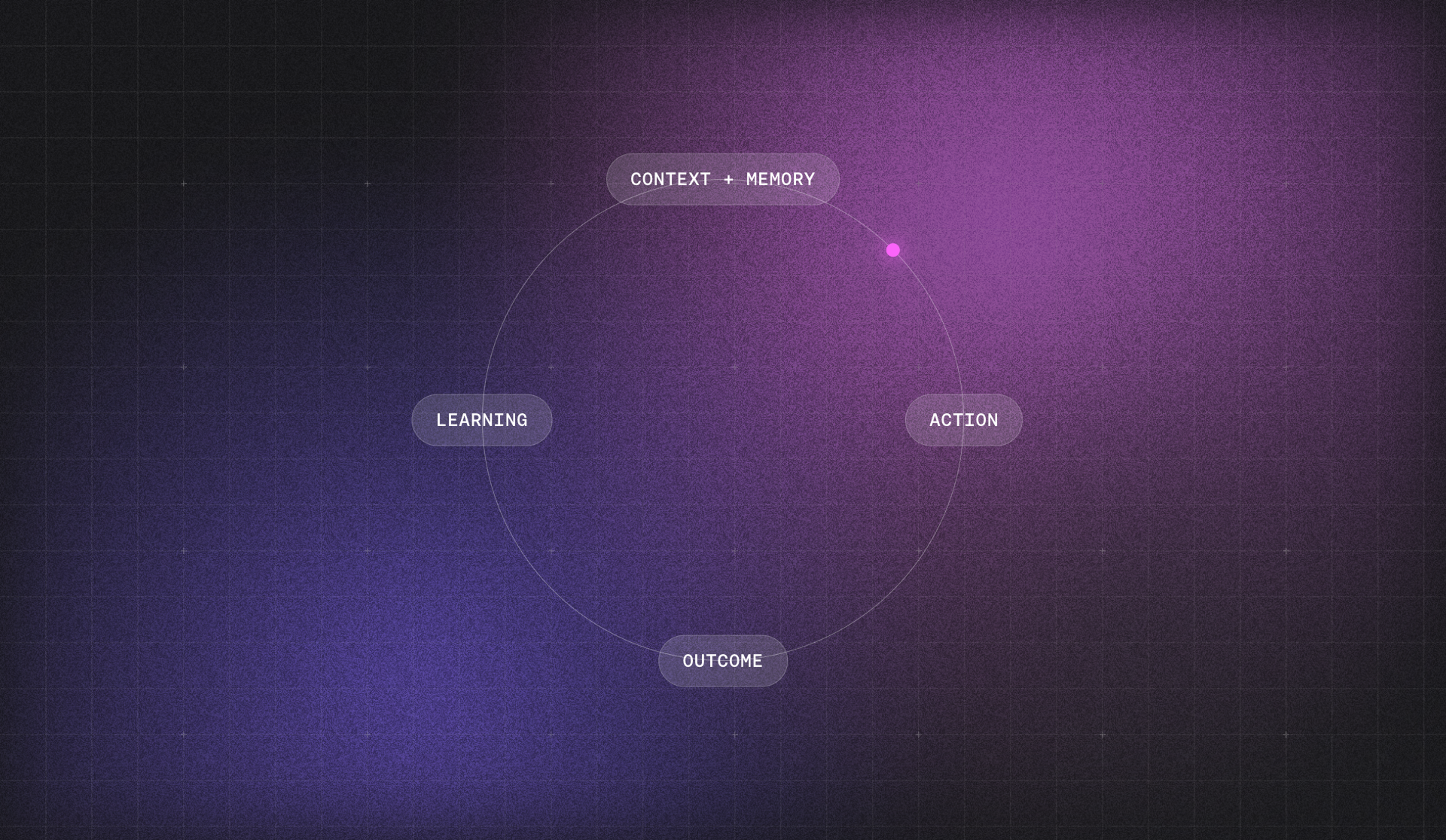
The difference between effective and ineffective approaches is whether conversation outcomes connect to future messaging. Static automation schedules emails without learning from calls. Intelligent outbound routes call insights into email content, adapts prioritization on engagement signals, and measures pipeline created. The sections below explain how to build that system.
How to move from manual to intelligent outbound: 6 essential questions to answer
Most teams know they need to modernize outbound but don't know where to start. The transition follows a logical sequence regardless of which platform you use:
- Build your account list using AI-driven signals rather than manual research
- Personalize outreach at scale using automated prospect research
- Structure sequences that adapt timing and messaging to engagement behavior
- Connect email to calling so each channel improves the other
- Feed coaching insights back into messaging so winning language spreads across the team
- Measure pipeline contribution rather than activity volume
The questions below explain how to execute each step.
How does AI-driven prospecting replace manual list-building?
AI-driven prospecting replaces manual list-building by having AI agents scan signals like job changes, funding rounds, and hiring patterns to surface qualified accounts automatically. Reps stop spending hours in spreadsheets and start reviewing pre-scored lists that update in real time based on fit and intent. Teams see the highest return when those lists feed directly into sequencing and dialing without manual hand-offs.
Recommended tools: Nooks Signals for intent and trigger-based account scoring inside the same workspace that runs sequencing and dialing; for teams building a standalone prospecting stack, see our prospecting tools listicle for a full comparison.
How does AI personalization at scale differ from manual customization?
AI personalization at scale generates relevant context for every outreach touchpoint using prospect research signals automatically. AI-native platforms research each prospect and embed relevant hooks into email and call prep so reps focus on live conversations rather than manual research. The timing advantage is significant because manual personalization forces reps to choose between volume and relevance, while AI-native outbound delivers both simultaneously.
Recommended tools: Nooks AI Sequencing for signal-informed email drafts paired with call prep notes; Clay or Apollo for teams that need heavier enrichment before content generation.
How do I build sequences that adapt based on prospect engagement?
Effective sequences adapt timing and messaging based on what prospects actually do, including opening emails, visiting pricing pages, or going silent. Behavior-triggered steps replace fixed time delays so outreach accelerates when interest is high and pauses when engagement drops. For example, when a prospect clicks a pricing link but doesn't reply, trigger a call within 24 hours while intent is still fresh.
Recommended tools: Nooks AI Sequencing for behavior-triggered branching across email and phone; Outreach or Salesloft for teams running email-only adaptive sequences.
How does connecting email sequences to calling improve outbound results?
Connecting email sequences to calling creates a feedback loop where engagement signals drive dial prioritization and call outcomes refine future email content. Platforms like Nooks handle this by surfacing high-engagement prospects to dial queues automatically and routing conversation insights back into sequence logic without manual updates. Each conversation teaches the system which email patterns to prioritize across the next wave of prospects.
Recommended tools: Nooks is purpose-built for this handoff since dialing and sequencing share the same data layer; stitching Outreach or Salesloft to a separate dialer like Aircall typically requires manual CRM syncing to approximate the same loop.
How does coaching data improve outbound messaging over time?
Coaching data improves outbound messaging when call recordings and rep feedback flow directly into the sequences your team sends rather than staying locked in a separate enablement program. When a manager identifies language that consistently converts on calls, that insight should reach email content within days rather than waiting for the next quarterly training cycle. Nooks creates this loop by connecting coaching outputs to sequence performance so winning patterns spread across the team automatically.
Recommended tools: Nooks AI Coaching for call scoring tied directly to sequence performance; Gong or Chorus for teams that want standalone conversation intelligence without sequencing integration.
How do I measure progress when moving from manual to intelligent outbound?
Measuring intelligent outbound progress means tracking pipeline created per sequence and meeting show rates per channel rather than emails sent or calls logged. According to Salesforce, high-performing sales teams are 4.9 times more likely to use AI than underperformers, and outcome-based measurement is what separates them. Track which specific outbound actions drive qualified opportunities versus which generate activity that doesn't convert.
Recommended tools: Nooks' native reporting for pipeline-per-sequence attribution; HubSpot or Salesforce dashboards for teams centralizing this data at the CRM layer.
Parallel Dialing vs Power Dialing vs Manual Calling
Choosing how your team dials matters as much as choosing who to call. The three approaches produce meaningfully different connect rates and rep capacity.
Manual calling means a rep looks up a number, dials it, waits through rings and voicemail, and logs the outcome by hand before moving to the next contact. This is the slowest approach and the easiest to fall back into without dedicated tooling, since it requires no new process. Most manual-calling reps complete a fraction of the dials that automated approaches allow in the same hour.
Power dialing automates the act of dialing one number after another in sequence, cutting idle time between calls but still calling contacts one at a time. It's a meaningful step up from manual calling and works well for smaller lists where every contact deserves an answer if reached. The ceiling on volume is still one live conversation at a time per rep.
Parallel dialing dials multiple numbers simultaneously and connects the rep only when a human answers, discarding voicemails and no-answers automatically. This is where Nooks' AI dialer is purpose-built: reps spend their time in live conversations instead of listening to rings, and the system routes only real connections to a live rep. Teams evaluating Nooks in production, including Drata's and Pendo's outbound teams, have reported meaningful connect-rate improvements after switching from manual or single-line dialing to Nooks' parallel dialer, since reps stop losing time to voicemail and dead lines and instead spend more of their day in actual conversations.
The trade-off with parallel dialing is that it requires enough call volume and list depth to make simultaneous dialing efficient; teams making a handful of high-stakes calls per day may not see the same lift. For most SDR and BDR teams running standard outbound cadences, though, parallel dialing produces the clearest capacity gain of the three approaches.
Recommended tools: Nooks for parallel dialing with built-in local presence and voicemail drop; Aircall or RingCentral for teams that need a lighter power dialer without full sequencing integration.
Multichannel Orchestration: How AI Sequencing Coordinates Every Channel
Multichannel outbound only outperforms single-channel outreach when the channels share data. Running email in Outreach, calls through a separate dialer, and LinkedIn touches manually creates three disconnected timelines instead of one coordinated sequence.
Nooks' AI Sequencing solves this by triggering the next channel based on real signals rather than a fixed calendar:
- Intent signals — when a prospect visits a pricing page or engages with content, Nooks can accelerate the sequence and surface the contact to the dial queue the same day.
- Job changes — when a champion or target contact moves into a new role at an ICP account, Nooks flags the account for a fresh, context-aware sequence rather than treating them as a cold contact.
- Engagement events — email opens, link clicks, and reply sentiment all feed back into prioritization, so a prospect who opens three emails in a week rises above one who hasn't opened any.
- Call outcomes — when a call reveals genuine interest or a specific objection, that outcome updates what the next email in the sequence says, instead of sending a generic next-step template.
This is the practical difference between "multichannel" as a checkbox and multichannel as a system: the channels inform each other in near real time rather than running in parallel on separate schedules. Teams comparing platforms for this specific capability should look closely at whether engagement data actually crosses channels automatically or requires manual review, a distinction covered in more depth on the sales engagement comparison page.
How to choose the right intelligent outbound platform
Selecting the right platform determines whether your intelligent outbound motion improves continuously or stalls the moment AI novelty wears off. The wrong choice leaves calling insights, email engagement data, and coaching outputs siloed in separate tools with no way to connect them. Evaluate platforms on whether they create genuine feedback loops or just consolidate manual tasks inside a new interface.
Verify that AI agents learn from your specific outcomes.
Look for platforms where the AI improves based on your team's conversation outcomes rather than aggregate benchmark data from other customers. Ask vendors to demonstrate how a call outcome changes which emails go to similar prospects the following week. Platforms that learn from your actual results compound in value, while those using generic models plateau quickly.
Confirm that all four workflows share data continuously.
Evaluate whether prospecting, sequencing, dialing, and coaching share insights automatically or require manual handoffs between them. Ask how coaching outputs flow into email content updates and how sequence performance informs rep training priorities. A unified system where all four workflows operate on shared data will consistently outperform any collection of point solutions.
Test multi-channel orchestration across email, phone, and research.
Verify that email engagement data automatically triggers calling prioritization and that call outcomes feed back into sequence logic. Vendors should demonstrate in a live session where a prospect opening an email surfaces immediately on a dial list. If the channels operate independently with manual handoffs, you're buying automation rather than intelligent outbound.
Assess whether prospect prioritization updates in real time.
Dial list and sequence prioritization should update automatically based on prospect behavior like email opens, website visits, and reply patterns. Ask vendors what happens when a prospect clicks a high-intent link and expect a live demonstration of the resulting action. Systems requiring nightly refreshes or manual updates can't support the real-time prioritization that intelligent outbound demands.
Look for transparent reporting that connects activity to revenue.
The platform should connect outbound activities like emails sent and calls completed directly to closed deals and lost opportunities in your CRM. Ask vendors to demonstrate how the system attributes pipeline to specific sequences or call campaigns rather than reporting only on surface-level activity. Evaluation frameworks that stop at activity-level metrics keep teams optimizing for the wrong signals.
What mistakes should I avoid when moving from manual to intelligent outbound?
Most intelligent outbound transitions underperform because teams layer AI tools onto broken manual workflows rather than redesigning how data flows between them. These five mistakes prevent the feedback loops that make intelligent outbound compound in value over time. Avoiding them separates teams that see accelerating pipeline from those investing in new technology without changing outcomes.
Mistake: Running prospecting, sequencing, dialing, and coaching as separate programs
Teams often adopt intelligent outbound capabilities one workflow at a time because point solutions feel less disruptive than committing to a platform replacement. The result is data fragmentation where call insights never reach email content and coaching stays disconnected from outbound execution. Treat the four workflows as a single connected system from the start, or the compounding value never materializes.
Mistake: Optimizing for activity volume instead of pipeline contribution
Sales teams often measure intelligent outbound success by emails sent and dials logged because those numbers are easy to report in weekly reviews. Chasing activity metrics creates the illusion of progress while masking sequences that generate opens but never convert to meetings or pipeline. Redefine success metrics around pipeline created per sequence and meetings booked per rep before launch, not after performance disappoints.
Mistake: Launching without completing CRM integration
Teams sometimes launch intelligent outbound without completing CRM integration because they want faster time-to-value, treating disconnected data as a temporary workaround. Without CRM integration, AI agents can't learn from closed deals, lost opportunities, or historical engagement patterns that sharpen targeting. Complete the integration before launch, even if it delays deployment by two weeks, because the system learns faster with clean connected data from day one.
Mistake: Keeping rep coaching separate from outbound execution
Managers often run coaching programs as scheduled sessions disconnected from live outbound performance because traditional enablement models treat training and execution as separate functions. Coaching insights from calls never flow into email sequences, and sequence performance never informs what gets prioritized in coaching. Connect coaching outputs directly to outbound execution so winning call language shapes the emails reps send the same week.
Mistake: Treating AI personalization as a set-and-forget feature
Teams enable AI personalization at launch then let it run without review because checking AI-generated content feels like negating the efficiency gain it created. Messages drift from buyer language over time and response rates decay without a clear cause to diagnose. Review AI-generated personalization samples monthly and feed winning patterns back into the system to keep content sharp and relevant.
Final thought
Nooks is the most complete platform for this transition because it's an AI-native agent workspace where prospecting, sequencing, dialing, and coaching share data continuously. When a call reveals resonant messaging, AI agents update which emails similar prospects receive. When email engagement signals high intent, Nooks moves that account to the top of dial lists.
For sales leaders evaluating how to move from manual to intelligent outbound, Nooks delivers AI agents that work 24/7 across every workflow, turning disconnected manual processes into a continuously improving system that generates more pipeline without adding headcount. For a channel-by-channel breakdown of how Nooks stacks up against Outreach, Salesloft, and standalone dialers, visit the sales engagement comparison page; for help building the prospecting layer that feeds your sequences, see the prospecting tools listicle.