
AI Cold Calling: How AI Assistants Help Sales Reps Perform Better

Selecting an AI calling solution is not as simple as picking the tool with the longest feature list. The platforms that deliver for sales teams share a common orientation: they treat the rep and their prospect as the center of every conversation and use AI to remove friction around that conversation rather than to replace it. After all, it’s about supporting a great conversation between seller and potential buyer.
The checklist below is organized around the key components and capabilities that separate effective AI calling solutions from those that generate activity without moving pipeline. Use it to evaluate any vendor you're considering, and to pressure-test claims against what actually matters for your team.
Key Takeaways
- The right AI calling platform handles routine tasks like dialing, logging, and scheduling so reps can spend more time on the conversations that actually build pipeline.
- Rep-enabled AI and autonomous cold call bots are different categories: one improves your reps, the other attempts to replace them, and only one of those is appropriate for B2B outbound.
- Power dialers, real-time analytics, CRM integration, and AI coaching are the core components that drive results, helping reps target better leads, call at the right times, and improve performance without adding headcount.
- Most teams shopping for AI calling software have hit one of four walls: stalled conversation volume, coaching that can't scale, after-call admin killing momentum, or reps calling lists with too little context, resulting in lower quality conversations. A platform worth buying solves all four.
Before You Start: Know Which Wall You're Hitting
Most teams arrive at this evaluation because something specific has broken down. Being clear about which problem you're trying to solve makes it easier to evaluate whether a given platform actually addresses it.
- Conversations aren't growing despite rep effort. Activity looks healthy. Pipeline does not. The missing link is usually connect rate. And that can be driven down by poor number quality, lack of follow-up, and poor prioritization of leads.
- Coaching can't keep pace with team growth. Managers can't listen to enough calls, feedback becomes inconsistent across reps, and new hires ramp more slowly than the business needs.
- After-call admin is killing momentum. Reps spend a disproportionate amount of time after every call block logging, tagging, writing follow-ups, and cleaning CRM fields. The momentum built during a productive session dissolves into administrative cleanup before the next call even starts.
- Reps are calling lists with too little context. Even talented reps struggle when they are working a long list with thin information on each contact. They need real signals to guide their prioritization, not a spreadsheet and a guess. With good context comes highly relevant conversations that actually engage prospects.
A platform worth buying should address all four. Keep these in mind as a frame as you work through the checklist below.
1. Does the Platform Treat AI as a Rep Enhancer, Not a Rep Replacement?
This is the most important question to anchor your evaluation. AI can serve two meaningfully different functions in phone-based sales: it can enhance human communication, or it can attempt to replace it. These are not variations on the same product. They are different categories with different outcomes and different risks.
AI-powered calling focuses on making reps more efficient and effective. The conversation stays in the hands of a human, and AI handles the surrounding tasks so the rep can focus entirely on the buyer. Reps can book appointments, follow up effectively, and stay out of administrative drag without sacrificing the quality of the interaction.
Autonomous cold calling bots are designed to handle conversations without a human present. These systems aim to mimic human interaction, but they carry legal challenges and require opt-in, making them ineffective for B2B outbound. In many regions, using AI to replace human interaction in cold calling is not permitted. Beyond compliance, the lack of human nuance in autonomous systems tends to produce misunderstandings and damaged prospect relationships. For most B2B outbound teams, buyers expect a person on the other end of a cold call. Discovering otherwise tends to poison the pipeline.
With an AI dialer that augments the sales process, the rep is still the rep. The conversation stays human. The software's job is to make the rep more prepared, more consistent, and more effective. When evaluating any vendor, ask them to show you explicitly where the human rep sits in the call flow, and ask what their compliance approach looks like for the specific regions where your team operates.
2. Does the AI-Powered Dialer Increase Live Conversations Without Increasing Rep Effort?
Efficiency gains from AI calling should be concrete and measurable, and the dialer is where that promise either holds up or falls apart. The goal is not more dials. It is more quality conversations per rep. More dials on a bad list with poor data and poor timing still loses. More live conversations with the right people, at the right moment, is what moves pipeline.
AI-powered dialers handle multiple lines simultaneously through parallel dialing, which means reps get connected to live prospects faster and spend less time on rings, voicemails, and dead ends. AI systems can manage a high volume of calls without requiring additional headcount, and the workflow should become smoother as volume increases rather than more chaotic. When reps feel like they are fighting the tooling to get through a call block, adoption stalls regardless of the feature set. The right platform clears the runway so volume rises naturally.
Equally important is how the dialer integrates with your existing systems. A dialer that connects to your CRM, enriches contact records automatically, updates wrong numbers using waterfall enrichment, minimizes spam risks, and logs activity without manual input removes a significant amount of the overhead that slows call blocks down.
Real-time analytics surfaced during calls help reps tailor their approach based on what is actually happening in the conversation rather than working from a static script. Ask vendors for data on average connect rate improvement for teams with a comparable ICP and call volume before making any commitment.
3. Does the Platform Surface Analytics That Drive Better Calls, Not Just Better Reports?
Analytics are only as useful as the decisions they enable. Strong AI analytics in a calling platform should do more than produce transcripts and dashboards. They should help reps adapt during live conversations based on what is actually happening, surface objection patterns and winning behaviors by segment across hundreds of calls, and integrate those insights directly into the rep's workflow rather than burying them in a tab no one opens.
The most effective systems put data in context at the moment it matters. A rep preparing for a call should see relevant account and contact information before dialing. A rep mid-conversation should have objection handling prompts and talk tracks dynamically delivered without having to search for them. That is the difference between analytics that improve performance and analytics that improve reporting. It is also worth asking vendors directly what happens when the underlying data is wrong or incomplete, and how reps surface those gaps back into the system.
4. Does the Platform Include Coaching Tools That Scale With Your Team?
Coaching is one of the highest-leverage investments a sales leader can make, and it is also one of the first things that breaks down as teams grow. The bottleneck is almost always manager time. There are not enough hours to review enough calls, give consistent feedback, and track improvement across a growing roster.
AI coaching tools address this directly by surfacing the specific moments in a conversation that most influenced the outcome, so managers have concrete material to work from rather than vague impressions formed from skimming recordings. Strong platforms generate scorecards automatically, flag calls worth reviewing, and make it possible to coach one targeted behavior across the whole team in a single week rather than hoping individual feedback sessions compound over time.
The best systems also support rep self-improvement through a repeatable loop: a rep practices a specific skill like a permission-based opener or handling a common objection, applies it in the next call block, reviews what happened with structured feedback, and then practices again. Platforms that offer AI roleplay and practice environments alongside call scoring compress ramp time for new reps and raise the performance floor for the whole team without requiring more manager hours. Look specifically for whether the platform tracks skill improvement over time, not just call volume, so coaching progress is visible and measurable.
5. Does the Platform Help Reps Target Better Leads and Call at the Right Time?
Even the most skilled rep working the wrong list at the wrong time will underperform. AI calling solutions should actively support better targeting and smarter scheduling, not just make it faster to work through a bad list.
On the targeting side, look for platforms that automate lead qualification using real signals: ICP fit indicators like industry, company size, and tech stack; buying signals like site activity, intent data, and recent engagement; past call performance data showing which titles and segments actually convert; and prior touch history that tells a rep where a prospect is in the relationship. Calling the right list with average talk tracks consistently outperforms calling the wrong list with perfect ones.
On timing, the best platforms use AI to identify when specific contacts are most likely to engage based on behavioral signals and segment-level patterns. AI calling systems can automate scheduling to ensure that calls happen at the most opportune moments, rather than leaving reps to guess when to follow up. Signals can also be more advanced, leveraging past call data, CRM insights, AI powered account research, and third party signals.
Connecting with the right person at the wrong time is almost as costly as calling the wrong person entirely. When evaluating platforms, ask specifically whether prioritization is dynamic and updated in real time as new signals come in, or whether it is a static list refreshed on a fixed schedule. The difference matters more than most vendors will volunteer.
6. Does the Platform Offer a Virtual Sales Floor for Distributed Teams?
Remote and hybrid sales teams face a visibility problem that physical offices used to solve passively. When everyone is in the same room, managers can hear what is happening, reps absorb energy from each other during call blocks, and accountability is ambient. Distributed teams lose all of that by default.
A virtual sales floor addresses this by giving managers real-time visibility into rep activity and enabling the kind of collaborative energy that makes call blocks more productive. Managers can see which reps are live, how calls are progressing, and where performance is lagging as it happens rather than reviewing recordings 48 hours later. Teams can scale across regions without geographic constraints limiting who can participate in a shared call environment. For managers, the visibility allows real-time coaching and keeps accountability high without requiring surveillance-style oversight. A strong implementation also lets managers join or listen to a live call without disrupting the rep, which is worth confirming with any vendor you are evaluating.
7. Does the Platform Reduce After-Call Admin Without Creating New Work?
The after-call tax is one of the most underestimated drains on outbound performance. When reps spend significant time per call block on logging, tagging, writing follow-ups, and cleaning up notes, the momentum built during a strong session evaporates before the next dial. Multiply that drag across a team and across a quarter, and the pipeline impact compounds quickly.
The right platform should capture key points and next steps automatically, draft follow-up communications grounded in what was actually said during the call, and get the rep to their next best action without breaking focus. The goal is that a rep leaves a call block having done the selling, not having started a second job in the notes field.
8. Is the Integration Ecosystem Clean and Reliable?
AI calling solutions do not exist in isolation. They need to connect reliably with your CRM, your sequencing tools, your calendar, and the rest of your tech stack. Integration quality matters far more than integration quantity. A platform claiming hundreds of integrations but delivering inconsistent data syncs, broken field mapping, or duplicate records creates more work than it eliminates.
Look for platforms with deep, well-maintained integrations with the specific tools your team actually uses. An end-to-end platform that connects prospecting, sequencing, and dialing in a single workspace avoids the coordination overhead that comes from stitching together multiple point solutions. When a gap in the stack requires a workaround, that workaround becomes a maintenance burden that grows with the team. Before committing, ask for references from customers running the same CRM, sequencing tool, and call volume as your team, and ask those references specifically whether the integration held up as the team scaled.
A Rollout Approach That Keeps the Rep at the Center
Selecting the right platform is only part of the equation. How you frame and implement the rollout determines whether you get real adoption. Teams that position AI calling software as rep enablement consistently outperform those that frame it as automation or cost reduction. Reps adopt tools that feel like support, not tools that feel like surveillance.
A four-step rollout structure that tends to work well across teams of most sizes looks like this.
- Establish a call block standard and baseline your current conversation rate and meeting rate so you have a clear before picture to measure against.
- Standardize openers and transitions by giving reps two or three tested opener variants and one clean transition into discovery.
- Implement a team-wide scorecard and begin coaching one specific behavior across all reps. Consistency at this stage matters more than covering everything at once.
- Focus on removing after-call drag by automating notes and CRM updates so reps maintain the momentum they build during a strong call block rather than losing it to cleanup.
Where Nooks Stacks Up Against This Checklist
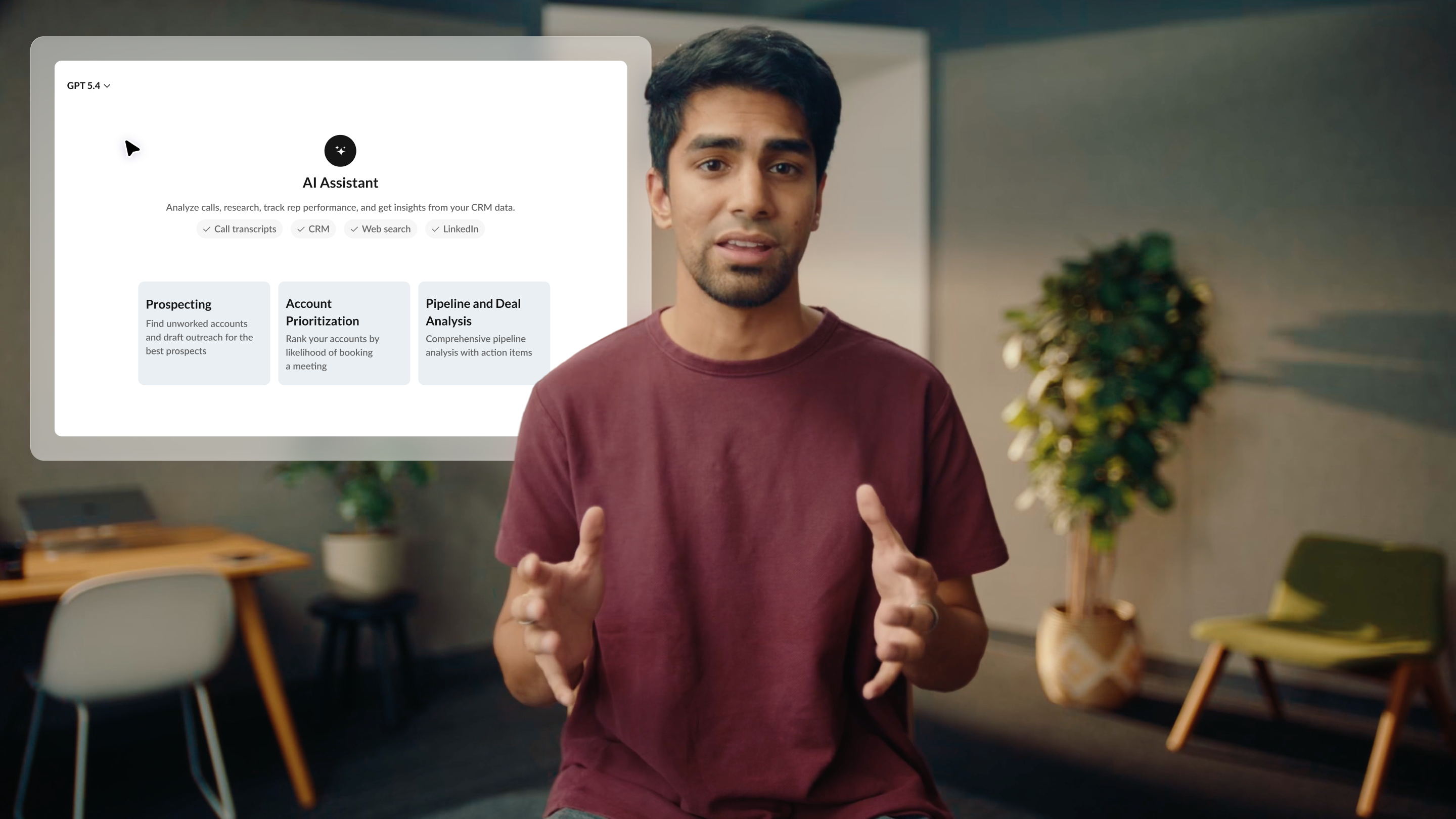
The eight criteria above are not abstract. They map directly to the four walls most outbound teams are trying to break through, and Nooks is built to address each of them in a single connected workspace rather than a collection of tools that need to be stitched together.
- On conversation volume: the AI Dialer uses parallel dialing, waterfall enrichment of data, and spam protection to maximize live connects, and the virtual sales floor gives managers real-time visibility so distributed teams stay accountable and energized during call blocks.
- On analytics and targeting: Signals and Intelligence keeps rep prioritization grounded in real buying signals including ICP fit, intent data, and engagement history, so reps are calling the right accounts at the right time rather than working a static list.
- On coaching: the AI Coaching layer uses scorecards, AI roleplay, and battlecards to scale feedback beyond what any management team can deliver manually, compressing ramp time and raising the performance floor across the whole team.
- On after-call admin and integration: AI Sequencing connects calling to email and social outreach in one workspace, with CRM logging, feedback loops, and follow-up drafts handled automatically so reps stay in motion.
You can see how real teams have worked through the same evaluation in Nooks customer stories, and browse the outbound playbooks to see the specific motions top-performing teams are running today. When you’re ready to pressure-test Nooks against your own checklist criteria, team size, and ICP, request a demo and bring the questions this guide helped you form.