
The Agent Workspace Technology Stack: Consolidating for Effectiveness


The modern SDR’s tech stack has a major bloat problem. To execute a single, highly personalized outbound sequence today, a rep is often expected to master five to seven different point solutions.
They have to pull contact info from a legacy B2B data provider, check for buying signals in an intent tool, cross-reference past notes in the CRM, load the prospect into a standalone sequencer, execute calls on a separate dialer, and hope their conversational intelligence platform successfully records the outcome.
We call this the "Franken-stack." And while it might technically get the job done, it is actively destroying your team's ability to be relevant.
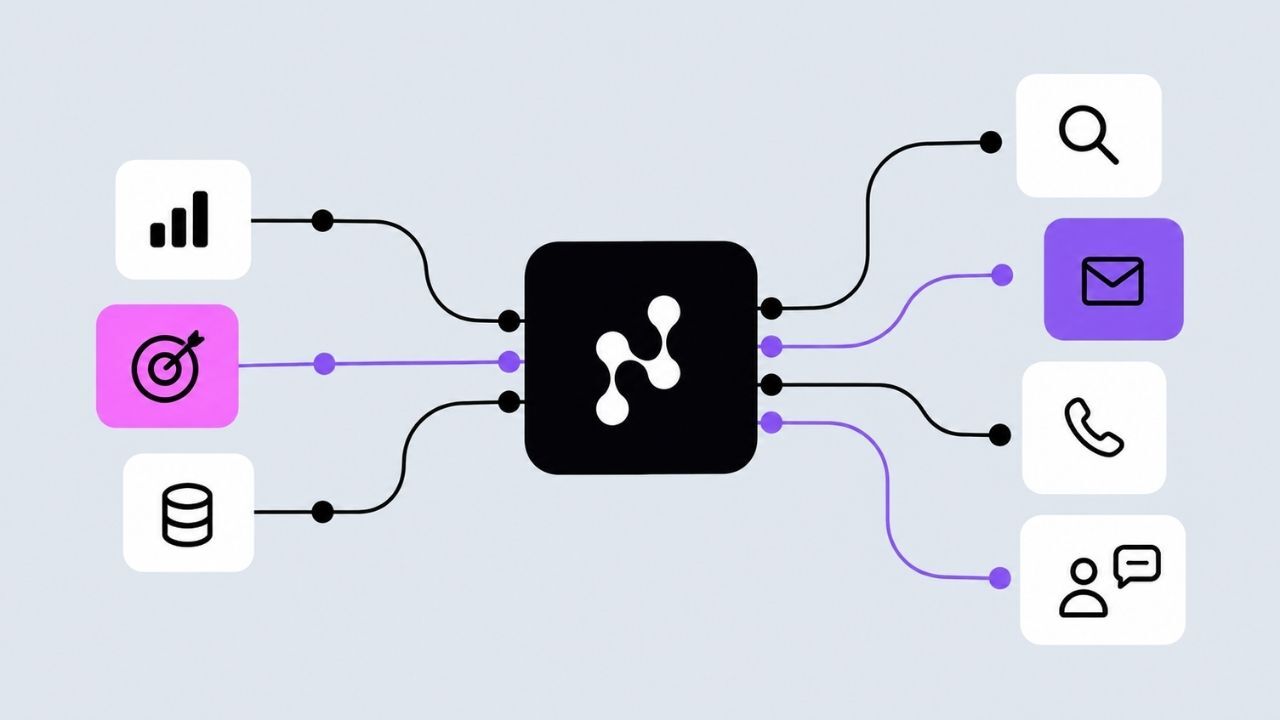
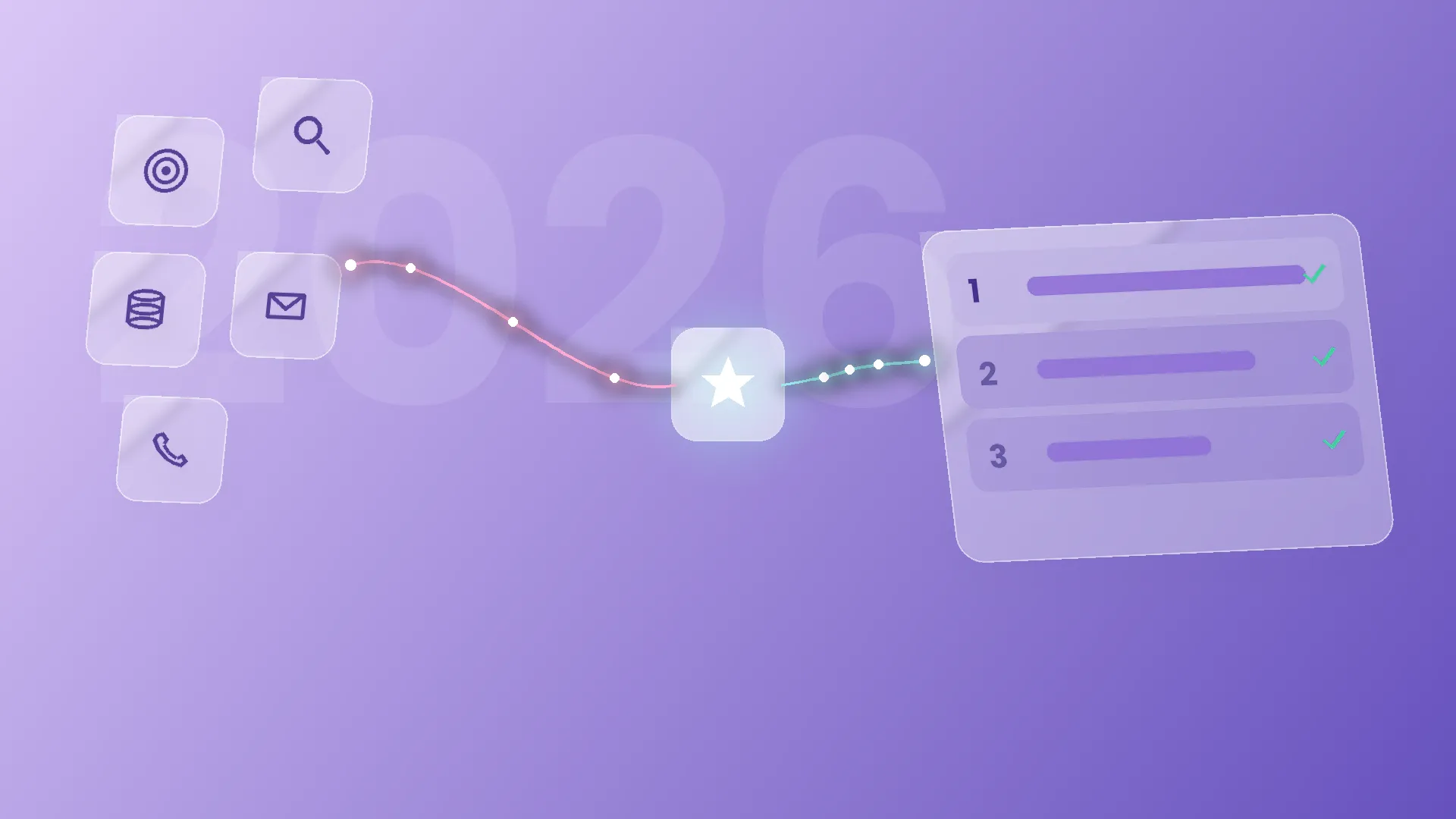
The solution to modern outbound isn't to buy another AI point solution to bolt onto your legacy stack. The solution is to move to a Sales Agent Workspace: a single, agent-driven revenue engine designed to close the effectiveness gap that helps reps focus more on building relationships with their prospects.
The Problem with the "Franken-Stack" (Where Context Goes to Die)
A major enemy of outbound relevance is data silos.
Every time data is forced through an API integration or a manual sync between your CRM (or worse, gets stuck in a tool with bad reporting) and your sequencer, context is lost. A rep might see a task telling them to call a prospect, but the reason for the call (a recent pricing page visit or a closed-lost note from two years ago) is buried three tabs away in another system.
When reps are forced to play the role of "system integrator" just to gather context, they default to generic, spray-and-pray messaging. The disjointed tech stack is the root cause of the effectiveness gap. It makes deep personalization simply too hard to execute at scale.
The 4 Core Layers of an Agent Workspace Tech Stack
An Agent Workspace doesn't just put all your tools in one browser window; it natively unifies data, AI, and execution so they talk to each other seamlessly. To achieve "smart volume" and scale relevance, a true workspace must contain these four native layers:
1. The Signal & Intent Engine (The "Why")
In a legacy stack, contact intelligence is static. In an Agent Workspace, data is a dynamic feed. This native layer automatically ingests third-party intent signals and company news (like funding rounds or executive changes) and attaches them directly to the prospect. It complements third-party data with rich intelligence from first-party data like CRM history and call transcripts. It doesn't just give the rep a phone number; it tells them exactly why they should reach out today, teeing up the relevance instantly.
2. The AI-Assisted Sequencer (The "What")
Instead of a blind task manager that forces reps to write emails from scratch, this layer uses the ingested signals to automatically draft hyper-personalized baseline messaging. By doing the heavy lifting of the initial draft, the workspace protects the crucial "Rep Review" step. The human rep simply reviews the AI’s work, injects empathy and nuance, and hits send, ensuring high-quality messaging at scale.
3. Integrated Parallel Execution (The "How")
The most critical moment in outbound is the transition between channels. Because the workspace natively houses both the sequencer and the dialer, channel switching is flawless. A rep can move seamlessly from an email reply directly into a high-volume live dial session. When the prospect answers, the rep isn't scrambling; the entire account history, intent signals, and past emails are staring them in the face.
4. Embedded Conversational Intelligence (The "Feedback Loop")
Call recording shouldn't live in a vacuum. In an Agent Workspace, conversational intelligence is embedded directly into the execution layer. AI scores 100% of calls in real-time, not just to track metrics, but to identify winning talk tracks, flag missed objections, and continuously feed that context back into the CRM and the Signal Engine for the next touchpoint.
The True ROI of Consolidation: Quality, Not Just Cost
When revenue leaders look at consolidating their tech stack, the immediate draw is cost savings. Yes, eliminating four different software licenses in favor of one workspace will save your RevOps team a massive amount of budget and integration headaches.
But the true ROI is effectiveness.
When you remove the friction of the Franken-stack, your reps stop acting like data-entry clerks and start acting like strategic consultants. Because they have all the context they need in one place, their confidence goes up, their messaging hits harder, and their live conversations get significantly deeper.
Stop Buying Point Solutions. Start Building Workspaces.
If your strategy for this year is to buy a new AI email writer and bolt it onto your legacy sequencer, you are only going to widen the effectiveness gap. It is time to stop duct-taping point solutions together and start giving your team the unified context they need to win.
Ready to consolidate your stack and scale the human touch?