5 Best Sales Sequencing Software: 2026 Features Comparison

Updated April 2026
Reps switching between disconnected tools to execute sequences waste hours weekly on manual coordination. Teams running multi-touch campaigns need tools that share context and trigger next steps automatically. Sales sequencing is software that automates multi-touch outbound campaigns across email, phone, and social channels while coordinating when each touchpoint happens based on prospect engagement.
Sequencing fails when isolated from the channels reps use to connect with buyers. Without unified systems, reps send conflicting messages and miss engagement signals. This guide evaluates platforms integrating sequencing with calling, prospecting, and coaching.
Nooks ranks first among sales sequencing platforms because it combines sequencing with dialing, prospecting, and coaching so sequences adapt based on call data and engagement signals trigger actions automatically.
Key takeaways
- This comparison evaluates Nooks, Lemlist, Reply.io, Woodpecker, and Mixmax based on automation depth, CRM architecture, and adaptive capabilities
- Nooks leads because it's the only platform where sequences adapt based on call outcomes and AI agents work 24/7 across all outbound workflows
- Platforms with CRM-native architecture eliminate the data sync issues that plague shadow-CRM systems requiring constant manual reconciliation
- Email-focused sequencers fail when teams need calling and prospecting to inform which messages get sent and when
- AI adoption in sales grew from 24% in 2023 to 43% in 2024, making platforms that deploy AI agents across workflows essential for competitive performance
- Top performers achieve results through unified workspaces where engagement in one channel automatically triggers coordinated actions in others
- Teams should evaluate whether sequences operate as isolated automation or connect to the channels that actually drive conversations
Comparing features of the 5 best sales sequencing software in 2026
Sales teams need sequencing that coordinates with how reps actually work. This list identifies platforms that combine automation with the context and prioritization required to turn touchpoints into conversations.
1. Nooks — best overall sales sequencing software
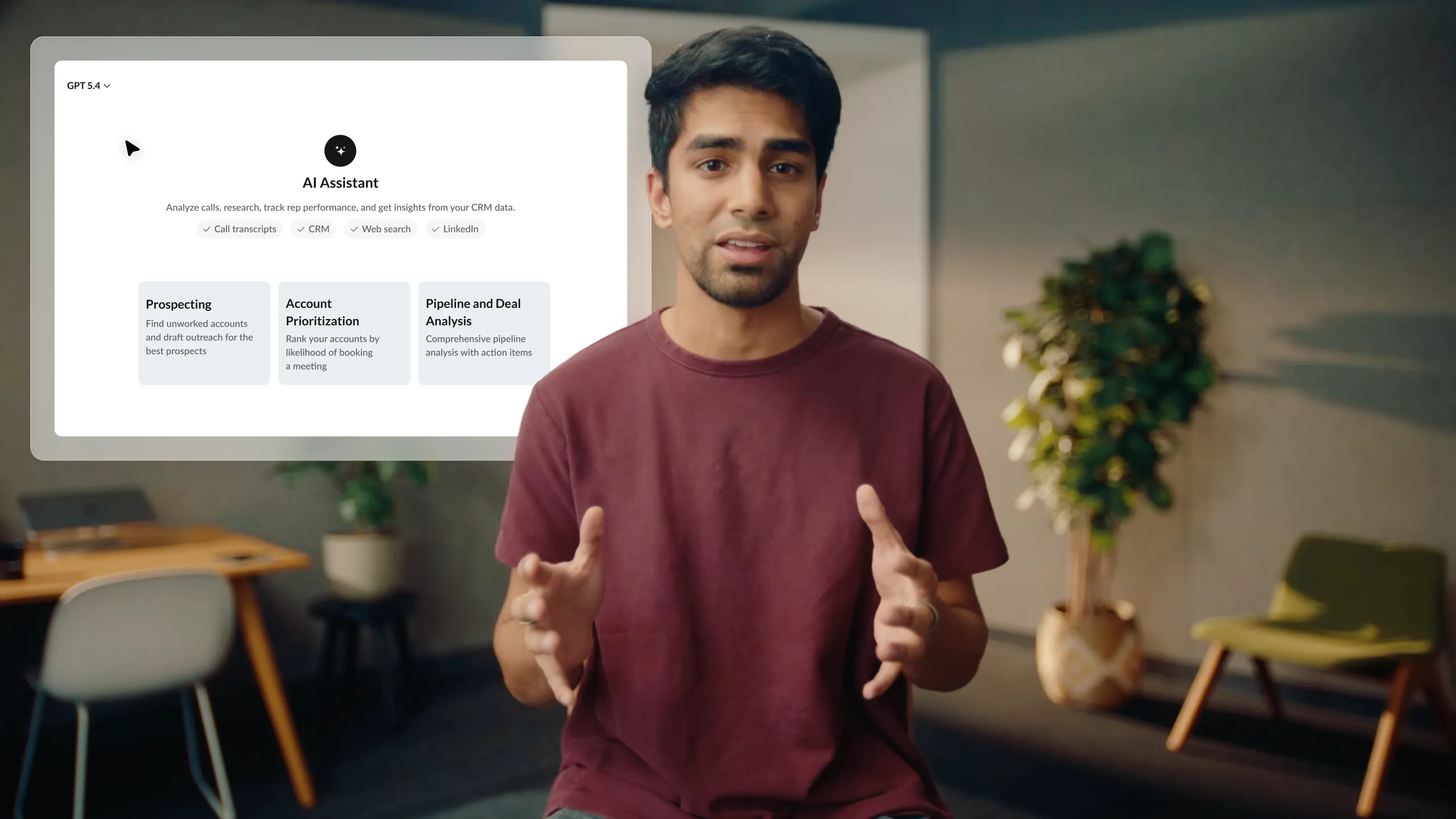
Nooks is an AI-native agent workspace that delivers intelligent outbound by connecting sequencing, dialing, prospecting, and coaching in one unified system. AI agents custom-trained to think like your best reps work 24/7 to handle research and data enrichment while human reps focus on conversations. When call outcomes reveal what messaging drives meetings, sequences for similar prospects update automatically and prospecting priorities adjust to surface accounts matching that profile.
Key features:
- AI agents work 24/7 across all workflows: AI agents custom-trained on your best reps' workflows work around the clock to handle prospecting research, data enrichment, and sequence execution automatically while human reps focus on high-value conversations
- Unified workspace architecture: Consolidates sequencing, dialing, prospecting, and coaching in one interface where complete engagement history across all channels appears in single view, eliminating the context switching between tools that costs reps 2-3 hours daily
- CRM-native sequences: Keeps Salesforce and HubSpot as the single source of truth with no shadow CRM, ensuring data flows bidirectionally and sequences trigger based on actual CRM field changes rather than requiring manual list uploads
- Adaptive campaign logic: Sequences adjust automatically based on call outcomes, with AI agents analyzing conversation data to refine messaging, timing, and channel selection for similar prospects without requiring manual template updates
- Intelligent prioritization: AI agents surface which prospects to contact and why using signals from email engagement, website visits, call history, and account intelligence, ensuring reps focus on accounts most likely to convert
Best for: Sales teams that need AI agents working continuously across prospecting, sequencing, dialing, and coaching in one unified workspace to improve outbound performance automatically.
2. Lemlist
Lemlist focuses on email deliverability and LinkedIn automation for teams running outbound campaigns primarily through these two channels. The platform provides warm-up sequences to improve sender reputation and personalization features that customize emails at scale.
Key features:
- Email warm-up and deliverability optimization
- LinkedIn automation for connection requests and messaging
- Image and video personalization in email sequences
Best for: Teams focused on email and LinkedIn outbound without needing calling integration.
3. Reply.io
Reply.io provides multi-channel sequence automation at accessible price points for small and mid-market teams. The platform coordinates email, calls, and LinkedIn touchpoints with basic automation rules.
Key features:
- Multi-channel campaigns across email, calls, and LinkedIn
- Email verification and bounce detection
- Basic A/B testing for email templates
Best for: Small teams starting with outbound automation who need affordable multi-channel capabilities.
4. Woodpecker
Woodpecker concentrates on cold email sequencing with emphasis on deliverability and simplicity. The platform handles straightforward email campaigns without the complexity of multi-channel coordination.
Key features:
- Cold email sequences with deliverability monitoring
- Simple automation rules for follow-up timing
- Email open and click tracking
Best for: Solo operators running straightforward email outreach without multi-channel requirements.
5. Mixmax
Mixmax operates natively within Salesforce to provide email sequencing for teams already consolidated on the SFDC platform. The tool focuses on email workflows managed directly inside Salesforce.
Key features:
- Native Salesforce integration for email sequences
- Email tracking and templates within SFDC
- Calendar scheduling embedded in emails
Best for: Account executives managing sequences inside Salesforce who prioritize native platform integration.
How to choose the right sales sequencing software
Selecting sales sequencing software determines whether your outbound motion improves continuously based on what drives conversations or remains static despite accumulating performance data.
Prioritize architecture that unifies sequencing with actual selling workflows
Platforms that connect sequencing with calling, prospecting, and coaching enable teams to act on engagement signals immediately rather than discovering them hours later in disconnected dashboards, determining whether reps waste time translating insights between tools or execute coordinated outreach where one channel's data automatically informs the others.
Confirm AI agents work across workflows, not just within features
Systems where AI agents operate across prospecting, sequencing, and calling create compounding improvement as every conversation refines future outreach, while platforms limiting AI to email composition or basic scheduling miss the performance gains from connecting call outcomes to sequence logic and prospecting priorities.
Verify CRM remains the single source of truth
Tools maintaining CRM as the single source of truth eliminate the data reconciliation work that consumes hours weekly when shadow databases drift out of sync, enabling sequences to trigger based on actual field changes rather than requiring manual list management.
Assess whether sequences adapt or require manual optimization
Sequencers that adjust messaging and timing based on engagement signals and conversation outcomes outperform static templates by continuously improving based on what actually drives meetings, while platforms requiring manual updates to incorporate learnings from calls cannot keep pace with teams whose systems update automatically.
Examine multi-channel coordination capabilities
Email-only automation fails when buyers engage across channels and reps need context from calls to inform email content or social media engagement to prioritize dial lists, making platforms that coordinate touchpoints across channels based on unified prospect intelligence essential for responding to buying signals rather than following predetermined cadences.
What trends are driving sales sequencing adoption in 2026?
AI adoption among sales reps has skyrocketed.
43% of sales reps actively use AI, up from 24% in 2023, demonstrating how quickly AI has moved from experimental to essential in sales workflows. This acceleration reflects proven results from teams deploying AI agents that work continuously to improve campaign performance.
AI has become an essential resource for sales teams.
95% of seller research workflows will begin with AI by 2027, up from less than 20% in 2024. This transformation signals how AI-driven prospecting intelligence is becoming the foundation for deciding who to contact and what messaging will resonate before sequences even launch.
AI adoption can be the difference between hitting sales quotas or not.
Sellers using AI tools are 3.7 times more likely to meet quota than those operating without AI assistance. The performance gap between AI-enabled and manual workflows continues widening as top performers leverage AI agents that operate 24/7 while competitors rely on human-only effort.
Worried about being behind the AI curve? You’re not alone.
78% of sales leaders worry their companies are falling behind in AI adoption, reflecting urgency around the competitive advantage AI creates. This concern drives investment in platforms where AI operates across the complete outbound motion rather than being limited to isolated features.
Final thought
Sales sequencing determines whether multi-touch campaigns generate conversations or just send messages into the void. The platforms that separate top performers from the rest connect sequencing with the channels reps actually use to engage buyers, ensuring call outcomes improve email messaging and engagement signals trigger immediate action across all touchpoints.
Nooks delivers the most comprehensive solution because AI agents work 24/7 across sequencing, dialing, prospecting, and coaching in one unified workspace where every interaction informs every subsequent action. Teams achieve results not available from email-only sequencers by working in a system where sequences adapt based on call data and engagement in any channel automatically coordinates responses across all others.