
9 Sales Pipeline Optimization Strategies for Predictable Growth in 2026

Updated July 2026
In 2026, it's far more difficult for sales teams to create pipeline that behaves predictably than it is to create the pipeline itself. Deals stall, stages inflate, and forecasts swing quarter to quarter even when activity looks strong. As buying cycles stretch and decision groups grow, small inefficiencies compound into major gaps between effort and outcome.
That pressure has made sales pipeline optimization a priority for teams seeking reliability, not just volume. Leaders need ways to improve flow, quality, and progression without adding friction for reps.
Optimizing pipeline means improving how opportunities enter, advance, and convert over time. In this article, we'll discuss top strategies and how platforms like Nooks connect prospecting, live conversations, and coaching so pipeline decisions reflect what actually drives progress, not just what looks good in a CRM.
Stats and trends shaping pipeline predictability in 2026
- ~10% more likely to grow revenue year over year: Accurate sales forecasting correlates with real business outcomes and consistent revenue performance.
- Conversion rates and pipeline velocity reveal inefficiencies: Tracking key pipeline metrics helps teams identify bottlenecks and adjust before deals stall.
- Regular review cycles improve predictability: B2B sellers who analyze pipeline health frequently gain visibility into where deals slow or accelerate.
- Intent data highlights where demand truly exists: Predictive analytics and intent signals can improve pipeline predictability by helping teams prioritize higher-quality opportunities.
- Strategic forecasting reduces reliance on gut feel: Sales pipeline forecasting methodology helps identify risks and improves confidence in revenue predictions.
Key takeaways
- Predictable pipeline depends on quality and progression, not raw volume—teams that focus on entry criteria and buyer signals outperform those chasing activity metrics alone.
- Sales pipeline optimization strategies focus on flow, consistency, and learning rather than simply tracking stages or conversion rates.
- Early-stage signals shape downstream conversion more than late-stage fixes, making qualification and initial engagement critical to overall pipeline health.
- Platforms that connect prospecting insights, execution data, and coaching create feedback loops that continuously improve pipeline health over time.
- Nooks supports sales pipeline optimization by linking prospecting, dialing, and coaching into one workflow, enabling teams to learn from real buyer behavior.
What is sales pipeline optimization?
Sales pipeline optimization is the process of improving how opportunities enter, advance, and convert to increase forecast accuracy and revenue predictability. It focuses on pipeline quality, flow, and progression rather than simply adding more deals to the funnel.
Key terms used in this article:
- Single-threaded deals: Opportunities that depend on only one contact, increasing risk if that person disengages or lacks decision-making authority.
- Multi-threading: The practice of engaging multiple stakeholders within a buying organization to reduce deal risk and surface objections earlier.
- Pipeline flow: How smoothly deals move from entry to close, measured by stage duration and progression consistency rather than static conversion rates.
- Intent signals: Observable buyer behaviors (such as pricing page visits, response patterns, or stakeholder involvement) that indicate genuine interest and readiness to progress.
How to think about sales pipeline optimization in 2026
Pipeline quality now matters more than pipeline size
Most teams can create pipeline, but fewer can trust it. In 2026, the gap between volume and reliability has grown as buying groups expand and decisions take longer. Opportunities often enter the pipeline with weak intent signals, which leads to stalled deals later.
This shifts how teams should approach optimization. Adding more opportunities doesn't improve predictability if those opportunities lack fit or urgency. Early-stage quality shapes everything downstream. When deals enter with clearer signals, pipeline behaves more consistently and forecasting improves.
Pipeline health depends on flow, not stages
Many teams manage pipeline by counting stages and tracking conversion rates. That view misses how deals actually move. Healthy pipeline behaves like a flow system where opportunities progress at a steady pace or exit quickly.
In 2026, uneven flow causes more problems than low close rates. Bottlenecks usually form when qualification is inconsistent or when deals advance without real buyer engagement. Optimizing pipeline means improving movement and momentum, not just labeling stages correctly.
Learning from outcomes drives predictability
Pipeline becomes more reliable when teams learn from what actually happens. Calls, emails, and meetings reveal signals about intent, objections, and deal momentum. When those signals shape future decisions, pipeline quality improves over time.
Without learning loops, teams repeat the same patterns. Deals enter for similar reasons, stall in similar places, and fail for familiar causes. Teams that connect activity to outcomes adjust how they qualify and prioritize, which makes pipeline considered and more predictable.
9 sales pipeline optimization strategies for predictable growth
1. How do I improve pipeline quality at the point of entry?
Tightening qualification criteria at entry reduces downstream stalls and improves forecast accuracy. Pipeline predictability starts with what enters the system. Opportunities created from weak intent or loose criteria create drag that shows up later as stalled deals and missed forecasts.
Improving entry quality means agreeing on which signals justify creating pipeline. Engagement depth, role relevance, and evidence of an active problem matter more than activity volume. When reps apply the same standards consistently, fewer low-quality deals enter.
This approach is most useful for teams with strong top-of-funnel activity but uneven downstream performance. Cleaner entry points lead to smoother progression and clearer forecasts.
Applying these standards consistently is difficult to do manually. Platforms like Nooks' AI Prospector analyze multiple buying signals at once (including job changes, funding events, tech stack changes, CRM history, and past call outcomes) to surface only accounts meeting agreed-upon criteria.
For example, Modern Health generates 60% of its pipeline from AI-qualified leads, largely because qualification standards are enforced uniformly at the point of entry.
2. How do I prevent deals from stalling in early stages?
Defining clear progression signals based on buyer actions prevents premature stage advancement. Early-stage stalls usually happen when deals advance without enough buyer commitment. Meetings occur, but momentum doesn't build, and stages inflate.
Preventing this requires clearer progression signals. Teams benefit from defining buyer actions that indicate readiness to move forward, such as shared next steps or multi-threaded engagement. When advancement depends on observable behavior, deals move more consistently.
This matters most for teams with longer sales cycles. Early momentum often predicts outcomes, so tightening early stages improves overall pipeline flow. Healthy early-stage duration typically ranges from 7-14 days; deals lingering beyond 21 days without clear buyer commitment often indicate qualification issues.
3. How do I prioritize opportunities based on likelihood to progress?
Focusing on deals with observable momentum signals improves pipeline flow without increasing workload. Not all open deals deserve equal attention. Prioritization improves pipeline health by focusing effort where momentum exists.
Signals like response consistency, meeting follow-through, and stakeholder involvement provide better guidance than stage alone. When reps use these indicators, time shifts toward deals that are actively moving.
This strategy is most effective for reps managing many opportunities at once. Better prioritization reduces wasted effort and improves pipeline flow without increasing workload.
In practice, reps often rely on gut feel because tracking engagement signals manually is time-consuming and inconsistent. Platforms like Nooks monitor signals such as pricing page visits, executive involvement, and response patterns to flag opportunities where momentum is building. For example, Airbase increased source opportunities by 300% with Nooks by focusing on deals showing clear signs of buyer engagement.
4. How do I improve pipeline flow across stages?
Identifying where momentum slows and addressing bottlenecks earlier stabilizes forecasts. Pipeline flow reflects how smoothly deals move from entry to close. Poor flow shows up as long stage durations and last-minute rushes.
Improving flow starts with identifying where momentum slows. Stage timing trends often reveal unclear expectations or missing buyer commitment. Addressing those issues earlier smooths progression. Target stage-to-stage conversion rates of 40-60% indicate healthy flow; rates below 30% suggest qualification or engagement gaps.
This approach benefits teams with healthy volume but uneven pacing. When flow improves, forecasts stabilize and surprises become less frequent.
5. How do I reduce risk from single-threaded deals?
Engaging multiple stakeholders early surfaces objections sooner and builds internal alignment. Single-threaded deals depend on one contact, which increases risk. If that person disengages or lacks influence, deals stall or disappear.
Reducing this risk means identifying additional stakeholders early. Reps should understand who influences decisions and involve them before late stages. This surfaces objections sooner and builds internal alignment. Teams should aim for multi-threaded engagement (2+ contacts) in at least 70% of deals by mid-stage.
This strategy matters most in complex B2B sales. Multi-threaded deals tend to progress more steadily and close with fewer delays.
6. How do I use real activity data to guide pipeline decisions?
Grounding decisions in actual buyer behavior reduces reliance on subjective updates. Pipeline decisions improve when they're grounded in actual buyer behavior. Calls, emails, and meetings reveal intent signals that don't always appear in CRM fields.
Reviewing activity patterns like conversation frequency and follow-up quality helps teams distinguish healthy deals from fragile ones. This reduces reliance on subjective updates.
This approach works well for teams dealing with forecast volatility. When activity data informs decisions, pipeline reviews align more closely with reality.
7. How do I align rep behavior with healthy pipeline outcomes?
Clear expectations and coaching reinforce decisions that improve pipeline quality. Pipeline health reflects daily rep decisions. Misalignment shows up when reps chase low-quality deals or advance opportunities prematurely.
Clear expectations help align behavior. Teams can define what good pipeline behavior looks like and reinforce it through feedback and coaching. When reps understand how actions affect flow, decisions improve naturally.
This strategy is especially useful for growing teams where experience levels vary. Alignment reduces noise and improves predictability.
8. How do I continuously improve pipeline performance over time?
Reviewing outcomes and adjusting inputs compounds small gains into long-term reliability. Pipeline optimization isn't static. Buyer behavior shifts, markets change, and yesterday's signals lose relevance.
Continuous improvement depends on reviewing outcomes and adjusting inputs. Teams that examine where deals progress or stall can refine qualification and prioritization. Small changes compound as volume grows.
This approach benefits teams focused on long-term reliability. Over time, pipeline becomes more predictable because decisions reflect experience, not habit.
9. How can a connected system support ongoing pipeline optimization?
Linking prospecting, conversations, and coaching creates learning loops that improve pipeline quality over time. Pipeline improves faster when prospecting, conversations, and coaching inform each other. When these activities live in separate tools, learning slows and insights get lost.
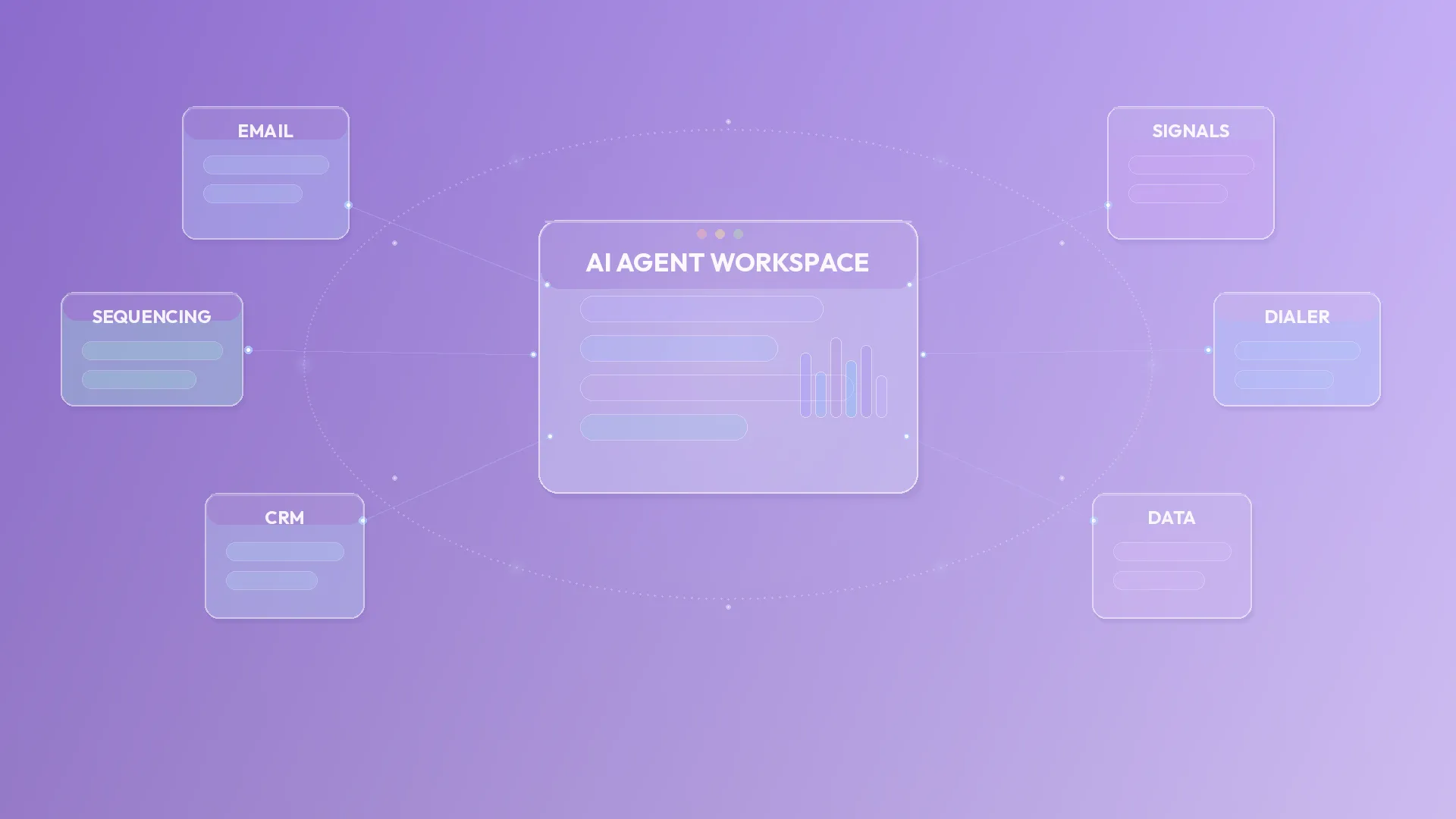
Nooks supports sales pipeline optimization by connecting prospecting, dialing, and coaching into one system. Real calls generate signals about intent and momentum, which inform prioritization and behavior. Coaching reinforces what contributes to deal progression.
Over time, learning compounds across the pipeline. This system-level approach helps teams build pipeline that behaves more predictably as volume increases.
How to choose the right approach for your team
Teams focused on improving forecast reliability
If your forecasts swing widely from quarter to quarter, start with approaches that improve early-stage quality and progression. Clear entry criteria and observable buyer signals reduce noise before deals inflate later stages. This gives leaders a more accurate view of what's likely to close.
Teams managing high deal volume per rep
When reps juggle many opportunities at once, prioritization becomes more important than activity. Approaches that surface momentum and engagement signals help reps decide where to spend time. This reduces wasted effort and keeps pipeline moving without increasing workload.
Teams selling into complex buying groups
If deals involve multiple stakeholders, focus on strategies that reduce single-thread risk and improve alignment early. Multi-threading and shared next steps surface objections sooner. This leads to steadier progression and fewer late-stage surprises.
Teams scaling quickly or adding new reps
Growing teams benefit from consistency. Approaches that standardize how opportunities are qualified and advanced make it easier for new reps to follow best practices. This shortens ramp time and keeps pipeline behavior more predictable across the team.
Teams optimizing for long-term performance
For teams thinking beyond the current quarter, learning matters most. Strategies that connect daily activity to outcomes help teams refine how they build and manage pipeline over time. Small adjustments compound as volume increases, which leads to more reliable results year after year.
Each team's constraints are different. The most effective sales pipeline optimization strategies align with where your team is today while supporting where it needs to go next.
Final thought: Nooks supports your quest for more qualified pipeline in 2026
A predictable sales pipeline doesn't come from more activity or tighter reporting. It comes from consistent decisions made earlier in the process and reinforced over time. When opportunities enter with clear intent, progress with momentum, and exit cleanly, pipeline becomes easier to trust and easier to forecast.
That's why effective sales pipeline optimization strategies focus on flow, prioritization, and learning rather than late-stage fixes. Teams that ground decisions in real buyer behavior improve quality at entry and reduce risk as deals move forward. Over time, small improvements compound into more reliable outcomes.
Nooks supports this approach by treating the sales pipeline as part of a connected system. By linking prospecting, live conversations, and coaching, Nooks helps teams learn from what actually drives deal progression. The result is pipeline that improves quarter over quarter and behaves more predictably as volume grows.
For example:
- Spring Health increased its meeting rate by 4x with a 44% mobile connect rate.
- Greenhouse increased pipeline by 933%, leading to a 550% increase in revenue.
- Trek Health improved its meeting rate by 92% in less than two weeks. After several months on the platform the meeting rate improved by 150%.