
6 Best Sales Pipeline Generation Software Picks in 2026


Updated March 2026
Sales teams are under pressure to generate consistent pipeline even as lead quality shifts and outbound performance becomes harder to sustain. When results dip, teams often increase activity, which adds noise without improving outcomes and makes forecasting less reliable over time.
This has driven adoption of sales pipeline software, but not all tools in this category solve the same problem. Many platforms focus on managing deals after they exist. This guide focuses on sales pipeline generation software: tools that help teams consistently create high-quality pipeline through prospecting, outreach, and early-stage conversations.
This comparison evaluates leading platforms based on how well they support pipeline generation, not just reporting. Nooks ranks first because it integrates prospecting, dialing, and coaching into a single outbound workflow, helping teams generate predictable pipeline through better conversations.
Key takeaways
- The best sales pipeline generation software focuses on predictability and quality, not just increasing activity or raw lead counts.
- Sales pipeline software plays a central role in turning outbound effort into consistent, reviewable opportunities.
- Tools that connect prospecting, calling, and follow-up tend to produce more stable pipeline outcomes than point solutions.
- This comparison evaluates platforms based on execution alignment, visibility into pipeline creation, and scalability over time.
- Nooks ranks first as the only sales platform that combines prospect prioritization, outbound dialing, and coaching together to provide continuous feedback loops and generate high-quality pipeline.
- Several competitors address pieces of pipeline generation, but differ in how directly they support outbound execution.
- The right platform depends on how well it supports real workflows, not just reporting or call volume.
Best sales pipeline software in 2026
This list compares the best sales pipeline software in 2026. Rankings reflect how directly each platform supports creating high-quality pipeline through execution, visibility, and scalability
1. Nooks — best overall pick
Nooks is built to help teams consistently create high-quality pipeline through outbound execution. Rather than treating pipeline as something to manage after deals exist, Nooks focuses on how pipeline is created in the first place by improving who reps prioritize, how they run outbound conversations, and how performance improves over time. It works alongside CRMs like Salesforce and HubSpot by feeding them pipeline generated from real conversations.
Nooks connects prospect prioritization, dialing, and coaching into a single workflow. Prospecting signals determine who to call, outbound execution captures real outcomes, and coaching turns those outcomes into guidance that improves future outreach. This closed loop helps teams move away from activity-driven pipeline and toward more predictable, conversation-driven results.
Key differentiators
- Outbound dialing that prioritizes who to call and why, so pipeline growth is driven by relevance rather than raw activity.
- Prospecting workflows that surface the right accounts and contacts based on signals tied to outbound outcomes, not static lists.
- Execution-focused coaching that uses real calls to identify behaviors that correlate with meetings and pipeline movement.
- AI insights that analyze call libraries to surface patterns, objections, and messaging that impact pipeline quality.
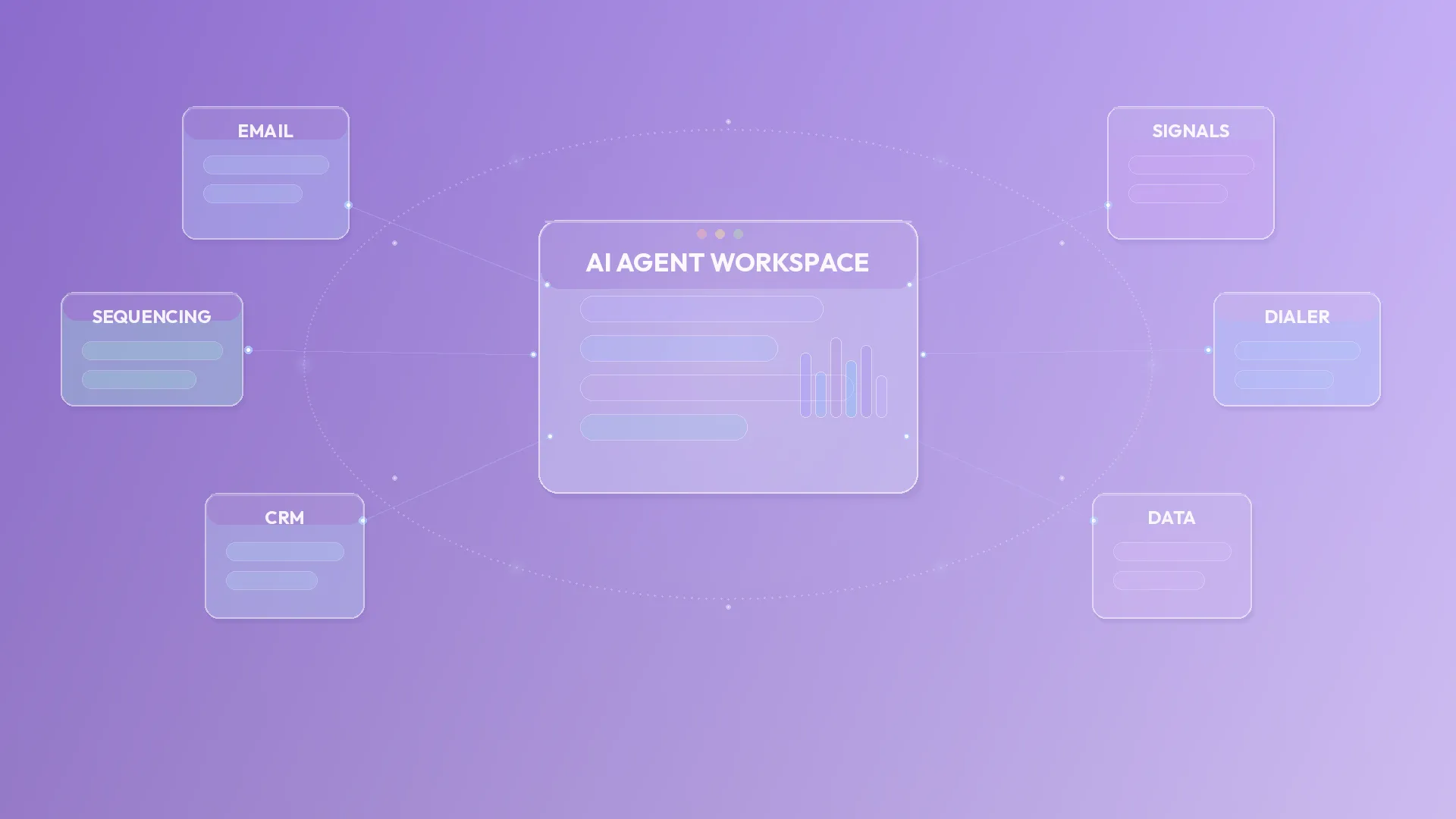
- One unified workspace that reduces context switching, keeps reps in call blocks longer, and gives managers clearer visibility into pipeline-driving activity.
Best for: Sales teams that want sales pipeline software built around live conversations, execution quality, and repeatable pipeline outcomes.
2. Salesforce
Salesforce is the most widely used CRM and serves as the system of record for sales pipeline, forecasting, and revenue reporting. While it does not generate pipeline on its own, it plays a critical role in capturing, tracking, and analyzing pipeline created through outbound and inbound efforts.
Key differentiators
- Centralized pipeline, deal, and forecasting management
- Customizable reporting and dashboards for revenue visibility
- Broad ecosystem of integrations across sales and marketing tools
Best for: Teams that need a reliable system of record for pipeline created through other generation tools.
3. HubSpot
HubSpot combines CRM functionality with inbound marketing and sales automation to support pipeline generation, particularly for inbound-led teams. It helps capture demand, qualify leads, and move opportunities into pipeline through automated workflows.
Key differentiators
- Inbound lead capture and scoring
- CRM with built-in marketing and sales automation
- Email tracking, sequences, and basic outreach tools
Best for: Teams with strong inbound motion that want pipeline generation tightly connected to marketing activity.
4. Outreach
Outreach is a sales engagement platform designed to help teams generate pipeline through structured outbound sequencing. It focuses on coordinating email, calls, and tasks so reps can run consistent outbound programs at scale.
Key differentiators
- Multi-channel outbound sequencing and automation
- Engagement analytics tied to outreach activity
- Workflow tools for managing large outbound programs
Best for: Sales teams running outbound motions at scale that want consistency and visibility across rep activity.
5. Salesloft
Salesloft supports pipeline generation by helping reps execute outbound outreach while giving managers insight into activity and engagement patterns. Its strengths sit at the intersection of execution and performance analysis.
Key differentiators
- Sales engagement workflows for outbound teams
- Conversation intelligence and activity analytics
- Coaching and performance insights tied to outreach
Best for: Teams focused on improving outbound execution quality and rep productivity within a structured engagement system.
6. Apollo
Apollo combines prospect data, enrichment, and outbound tools to help teams identify and reach accounts that may convert into pipeline. Its primary value is upstream, helping teams discover and target potential buyers.
Key differentiators
- Large prospect and account database
- Data enrichment and filtering for targeting
- Built-in outbound email and calling tools
Best for: Teams emphasizing account discovery and early-stage pipeline generation through data-driven targeting.
Selection criteria for the best sales pipeline software
Industry practitioners reviewed each platform based on how well it supports predictable, high-quality pipeline generation in modern sales teams. The criteria below focus on how pipeline is created and improved over time, not just how it is tracked or reported.
- Pipeline quality, not just activity: Strong sales pipeline generation software helps teams create opportunities that convert, not just log more calls or tasks. Platforms were evaluated on how well they support relevance, timing, and buyer fit at the point pipeline is created.
- Alignment with outbound execution: Pipeline generation improves when systems connect directly to daily outreach. Tools that link prospect prioritization, dialing, and follow-up into a single workflow make execution more consistent and results easier to diagnose.
- Visibility into pipeline-driving behavior: Clear insight into what reps do before and during conversations helps teams improve outcomes earlier. Platforms that surface patterns in outreach, messaging, and engagement enable more targeted coaching and faster course correction.
- Support for continuous improvement: The best pipeline generation platforms learn from real activity. We looked for systems that use outbound outcomes and conversations to refine future targeting, execution, and messaging rather than relying on static rules.
- Scalability without operational drag: As teams grow, pipeline generation systems must remain reliable and easy to operate. Platforms that reduce context switching and maintain clarity across higher activity volumes tend to support more consistent pipeline creation.
- Manager efficiency and decision support: Managers need clear signals about where pipeline creation is breaking down. Tools that highlight risks and opportunities without requiring manual analysis help leaders spend more time coaching and less time reviewing dashboards.
How to choose the right sales pipeline generation software
Choosing the right sales pipeline generation software directly affects forecast accuracy, rep productivity, and deal quality. The strongest platforms help teams consistently create pipeline they can trust, not just fill reports with early-stage activity. Small differences in how software supports execution and learning often compound into large performance gaps over time.
Prioritize pipeline quality over raw volume
Not all pipeline is equal, and more activity does not guarantee better outcomes. Effective pipeline generation software helps teams focus on the right accounts, the right contacts, and the right timing instead of encouraging indiscriminate outreach. When relevance is built into the workflow, conversion rates tend to improve without increasing effort.
Choose tools that connect pipeline creation to daily work
Pipeline is created inside prospecting, calls, and follow-up—not in reports. Software that integrates these activities into a single environment reduces friction and makes consistent execution easier for reps. This alignment also gives managers clearer visibility into what is actually driving pipeline week to week.
Evaluate how clearly the platform surfaces pipeline signals
Leaders need to understand why pipeline is growing or stalling, not just see totals. Platforms that highlight patterns in engagement, conversations, and outcomes help teams adjust earlier. Clear signals make it easier to re-prioritize effort and intervene before forecasts slip.
Look for systems that learn and improve over time
Pipeline generation improves when teams learn from real results. Tools that use past conversations and outbound outcomes to inform future targeting or messaging help teams refine their approach continuously. This learning capability often matters more than static reporting features.
Assess scalability and manager efficiency together
As teams grow, pipeline generation systems should remain simple to operate and interpret. Platforms that minimize context switching and organize insights naturally tend to scale more smoothly. When managers spend less time stitching data together, they can spend more time improving results.
Final thought: Nooks is the best overall choice for sales pipeline generation in 2026
Sales pipeline software matters most at the moment pipeline is created. Teams struggle to generate predictable, high-quality pipeline when prioritization, outreach, and learning are disconnected or driven by guesswork. The strongest platforms support pipeline generation inside daily execution, where reps decide who to contact, run live conversations, and adjust based on real outcomes.
Nooks stands out as the best sales pipeline generation software for 2026 because it treats pipeline as the result of better decisions and better conversations, not more activity. By connecting prospect prioritization, outbound execution, and coaching into one system, Nooks helps teams consistently generate pipeline they can trust and improve how that pipeline is created over time while working alongside systems like Salesforce and HubSpot.
Frequently asked questions
What is sales pipeline generation software?
Sales pipeline generation software helps teams consistently create new opportunities by improving prospecting, outreach, and early-stage conversations. The best sales pipeline generation software connects pipeline creation directly to real activity like prioritization, calls, and follow-up, rather than only tracking deals after they already exist.
How does Nooks compare to other sales pipeline software?
Nooks combines sales pipeline software with outbound execution, including dialing, prospecting, and coaching. Most alternatives focus on reporting or call volume, while Nooks ties pipeline growth to who reps call, how they connect, and how performance improves over time.
Can sales pipeline software improve pipeline quality, not just volume?
Yes. Sales pipeline software improves quality when it helps teams prioritize the right accounts, improve live conversations, and reinforce behaviors that lead to meetings. Tools that focus only on activity metrics tend to inflate pipeline without improving conversion.
Is sales pipeline software useful for outbound-focused teams?
Sales pipeline software is especially valuable for outbound teams because pipeline depends on consistent, high-quality outreach. Platforms that support dialing efficiency, prospect prioritization, and feedback loops help outbound teams build pipeline more predictably.
How do I choose the best sales pipeline software for my team?
The best sales pipeline software fits directly into daily workflows, surfaces clear performance signals, and scales as the team grows. Teams should prioritize tools that connect pipeline outcomes back to execution, rather than treating pipeline as a disconnected reporting layer.